J. Morita Veraview X800: tổng quan
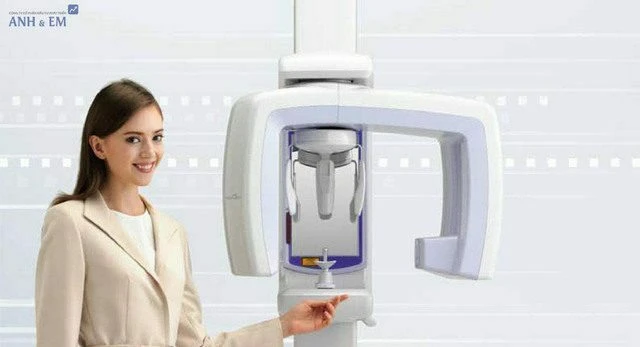
An In-Depth Analysis of the J. Morita Veraview X800: Technical Benchmarking and Strategic Procurement Guide for the Vietnamese Market Section 1: Executive Summary This report provides a comprehensive analysis of the J. Morita Veraview X800, a premium all-in-one dental imaging system, with a specific focus on its technical capabilities, market positioning, and the strategic considerations for its acquisition and implementation within the Vietnamese dental market. The Veraview X800 represents the apex of current dental imaging technology, engineered to deliver uncompromising diagnostic fidelity across Cone Beam Computed Tomography (CBCT), panoramic, and cephalometric modalities. The system's technical superiority is rooted in a combination of class-leading specifications and unique hardware innovations. With a maximum resolution defined by an 80 µm (micrometer) voxel size and 2.5 LP/mm spatial resolution, the X800 is engineered for the visualization of fine anatomical structures, making it an indispensable tool for high-value specialties such as endodontics, implantology, and periodontics. Its most significant differentiator is a hardware-centric design philosophy, highlighted by a horizontal X-ray beam for CBCT imaging that physically minimizes metal artifacts, and a unique shifting sensor mechanism that optimizes the beam angle for panoramic acquisitions. This mechatronic solution substantiates the manufacturer's claim of "Total Performance Imaging," delivering two uncompromised systems within a single unit. This is further augmented by a sophisticated suite of software algorithms designed to enhance image quality and streamline clinical workflow. In the competitive landscape, the Veraview X800 distinguishes itself by prioritizing ultimate diagnostic purity. While key competitors like the Planmeca Viso series emphasize operational flexibility with larger fields of view and Dentsply Sirona's Axeos focuses on seamless integration into a proprietary digital treatment workflow, the X800 is positioned as the definitive choice for clinicians who require the highest possible image quality for complex diagnostic challenges. For the Vietnamese market, the acquisition of a system of this caliber presents a significant strategic opportunity. The dental sector in Vietnam is experiencing robust growth, driven by a rising middle class, an expanding dental tourism industry, and rapid adoption of digital technologies in urban centers. Investing in the Veraview X800 can position a clinic as a leader in the premium care segment, creating a strong and defensible competitive advantage. However, this opportunity is counterbalanced by considerable challenges. As a Class C or D medical device, the X800 is subject to Vietnam's most stringent and time-consuming import regulations, requiring meticulous documentation and a proactive approach to navigate the approval process. Furthermore, the long-term success and return on investment of this high-value asset are critically dependent on the quality of local after-sales support. The negotiation of a comprehensive, multi-year warranty and service agreement with the official Vietnamese distributor, ANH & EM INVESTMENT DEVELOPMENT JSC, is therefore not an administrative formality but a central pillar of the investment strategy. This report concludes with a conditional recommendation: the J. Morita Veraview X800 is the superior clinical choice for a Vietnamese dental practice seeking to lead the market in diagnostic excellence and advanced care. This recommendation is contingent upon the prospective buyer's commitment to navigating the complexities of regulatory compliance and securing a robust, long-term local support contract that protects the asset and ensures its operational uptime. Section 2: The Veraview X800: A Technical and Functional Deep Dive The J. Morita Veraview X800 is engineered to provide what the manufacturer terms "Total Performance Imaging," a claim that rests on a foundation of superior technical specifications, innovative hardware design, and intelligent software processing. This section deconstructs the system's components to translate its technical attributes into tangible clinical and operational value. 2.1 Core Imaging Capabilities and Specifications The baseline performance of the Veraview X800 establishes it as a top-tier diagnostic instrument, capable of producing "hospital grade images" across its multiple modalities. Its performance metrics are tailored to meet the demands of a wide range of dental specialties, from general dentistry to complex surgical applications. 3D Cone Beam Computed Tomography (CBCT) Imaging The system's primary strength lies in its high-fidelity 3D imaging. In its high-resolution mode, the X800 achieves a minute voxel size of just 80 µm for focused fields of view (e.g., Ø40 x H40 mm). A voxel is the three-dimensional equivalent of a pixel, and a smaller voxel size allows for a more detailed and accurate reconstruction of anatomical structures. This is paired with a spatial resolution of 2.5 line pairs per millimeter (LP/mm) at 10% Modulation Transfer Function (MTF), a metric that quantifies the system's ability to distinguish between fine details. This level of clarity is not merely a technical achievement; it is a clinical necessity for visualizing micro-anatomy such as accessory root canals, periodontal ligament spaces, and vertical root fractures, which are often invisible on systems with lower resolution. For larger scans or when a lower dose is prioritized, the system also offers a standard resolution with a 125 µm voxel size. 2D Panoramic Imaging The X800 provides versatile 2D panoramic imaging with multiple modes to suit different clinical needs and time constraints. A High Speed Mode can acquire a standard panoramic image in approximately 7.4 seconds, ideal for routine screening or for patients who have difficulty remaining still. For cases requiring greater detail, a High Definition Mode is available, with a scan time of approximately 14.8 seconds. The system offers a range of panoramic programs, including standard, orthographic, shadowless, pedodontic, maxillary sinus, and TMJ views. The true value of its 2D capabilities, however, lies in the suite of software enhancements designed to produce exceptionally clear and consistent images, which are detailed in subsection 2.3. Cephalometric Imaging For orthodontic applications, the Veraview X800 can be equipped with a cephalometric arm. It utilizes a high tube voltage of up to 100 kV to produce high-quality images with excellent contrast and soft tissue definition. The high resolution of 96 µm makes the identification and marking of anatomical landmarks (trace points) for cephalometric analysis simple and precise. A key feature for patient safety is the rapid scan time of just 3.5 seconds, which significantly reduces the radiation dose compared to older systems. Table 1: J. Morita Veraview X800 Technical Specifications Modality Parameter Value / Range Source(s) General X-ray Tube Voltage 60 – 100 kV (mode dependent)
X-ray Tube Current 2 – 10 mA (mode dependent)
Nominal Focal Spot 0.5 mm
Power Consumption 2.0 kVA
Weight Approx. 185 kg (Pan); Approx. 220 kg (Pan/Ceph)
CBCT Voxel Size 80 µm (High Resolution); 125 µm (Standard)
Spatial Resolution 2.5 LP/mm @ 10% MTF
Exposure Time Approx. 9.4 sec (180° rotation); Approx. 17.9 sec (360° rotation)
Fields of View (FOV) 11 FOVs from Ø40 x H40 mm to Ø150 x H140 mm
Panoramic Exposure Time Approx. 7.4 sec (High Speed); Approx. 14.8 sec (High Definition)
Imaging Programs Standard, Pedodontic, Maxillary Sinus, TMJ, Partial, Bitewing
Cephalometric Resolution 96 µm
Exposure Time Approx. 3.5 seconds
Image Size LA: 220 x 250 mm; PA: 220 x 200 mm
2.2 Hardware Innovations for Superior Image Fidelity While technical specifications provide a quantitative measure of performance, the primary value of the Veraview X800 lies in its physical engineering. Its design philosophy prioritizes the quality of the raw data by physically minimizing the sources of image degradation that plague conventional systems. This approach addresses a fundamental compromise often found in combination 2D/3D systems, where the fixed geometry required for one modality inherently degrades the quality of the other. The X800 employs a complex and sophisticated mechatronic solution to this problem, allowing it to physically reconfigure itself for optimal performance in both 2D and 3D modes. The Horizontal X-ray Beam for Artifact Reduction The system's most significant innovation is the use of a completely horizontal X-ray beam for CBCT exposures. In many conventional CBCT systems, the beam is angled slightly upwards. This raised beam can cause X-rays to pass through dense structures like metal restorations or the base of the skull at oblique angles, leading to severe artifacts, streaks, and distortion that can obscure adjacent anatomy and render a scan non-diagnostic. By orienting the beam horizontally, the Veraview X800 ensures a more direct path through the area of interest, significantly reducing these artifacts at the source and producing cleaner, more reliable 3D images. This hardware-based solution is fundamentally more effective than relying solely on software algorithms to clean up a poorly acquired image. Adjustable Beam Angle and Shifting Flat Panel Detector (FPD) To overcome the inherent compromises of a fixed-geometry combination system, the X800 features a unique mechanism where the Flat Panel Detector (FPD) physically shifts its position depending on the imaging mode. For panoramic exposures, the FPD repositions itself and the X-ray beam angle is adjusted upwards by 5 degrees. This slight upward projection is specifically designed to avoid superimposition of the dense hard palate and cortical bone over the apices of the maxillary teeth—a common problem that can mask periapical pathology in standard panoramic images. This dynamic physical adjustment allows the system to be mechanically optimized for both imaging tasks, substantiating the claim that it functions as "two complete imaging systems in one". Ergonomics and Patient-Centric Design The operational functionality of the Veraview X800, which earned it the prestigious iF Gold Award, is designed to enhance both the user's workflow and the patient's experience. The unit features a "face-to-face" positioning system, allowing the operator to maintain direct communication and eye contact with the patient while aligning the laser positioning beams, which improves accuracy and reduces patient anxiety. The control panel is mounted on a movable arm, enabling operation from the front or side of the unit for improved access. Furthermore, the chinrest can be lowered significantly to accommodate patients in wheelchairs, ensuring accessibility for all patient populations. 2.3 Intelligent Software for Image Optimization and Workflow Complementing its advanced hardware is a suite of proprietary software and algorithms that refine the acquired data and streamline the clinical workflow. The system's software strategy can be understood as having a dual focus. The first is on post-acquisition perfection, using powerful algorithms to process the raw data into the most diagnostically valuable image possible. The second is on pre-acquisition efficiency, providing tools that make the process of capturing the image faster, more accurate, and safer for the patient. 2D Image Enhancement Suite For panoramic imaging, the X800 employs a trio of powerful, real data-driven functions to ensure consistently high quality.
- Adaptive Focal Point (AFP): This function addresses the challenge of keeping the entire dental arch in sharp focus. It deconstructs the acquired image data into a grid of tiles and analyzes multiple image layers for each tile to find the one with the highest sharpness. It then composites the sharpest tiles from each layer into a new, final image that is perfectly in focus from the root apices to the incisal edges.
- Adaptive Gray Scale (AGS): To achieve optimal contrast across the entire image, AGS recognizes that different anatomical structures (e.g., dense jawbone, less dense TMJ, enamel) have different radiographic densities. It automatically adjusts the grayscale and contrast for each region, creating a perfectly balanced image that is clear and easy to read without requiring time-consuming manual adjustments.
- Digital Direct Auto Exposure (DDAE): This function works in real-time during the exposure. The detector senses the X-ray transparency of the tissues as the gantry rotates and continuously adjusts the radiation output. This results in images with a significantly improved dynamic range and contrast, especially in areas with varying patient anatomy.
3D Workflow and Reconstruction Features For CBCT imaging, the software is geared towards efficiency, accuracy, and diagnostic flexibility.
- Zoom Reconstruction: This exclusive and powerful feature allows for retrospective image enhancement. A clinician can acquire a larger FOV scan at a standard resolution of 125 µm. If a specific area within that scan requires closer examination (e.g., a suspected root fracture), the software can reconstruct that smaller region at the high resolution of 80 µm without re-exposing the patient. This capability bridges the gap between post-acquisition perfection and pre-acquisition safety, providing unparalleled diagnostic flexibility while strictly adhering to the ALARA principle.
- Panoramic Scout: This feature simplifies and improves the accuracy of positioning for limited-field CBCT scans. The operator first acquires a low-dose panoramic image. On the screen, they can then simply click on the precise region of interest. The C-arm of the X800 then automatically moves to the exact position required to capture a perfectly centered CBCT of that area. This eliminates positioning guesswork, reduces the risk of retakes, and minimizes patient stress.
2.4 Commitment to the ALARA Principle: Dose Management and Patient Safety A central tenet of modern radiology is the ALARA principle—keeping radiation dose "As Low As Reasonably Achievable." J. Morita is recognized as a pioneer in this field, and the Veraview X800 incorporates a comprehensive set of features designed to minimize patient exposure without compromising diagnostic quality. Flexible Scanning Parameters The system provides clinicians with direct control over the balance between image quality and radiation dose. The choice between a full 360° gantry rotation and a faster 180° rotation is a prime example. The 360° scan acquires more data, providing the highest image quality with maximum reduction of noise and artifacts, making it ideal for the most demanding diagnostic tasks. The 180° scan, with a shorter exposure time (approx. 9.4 seconds), offers a significantly lower dose and is suitable for many routine applications, follow-up scans, or for pediatric patients. Extensive and Anatomically-Specific Field of View (FOV) Selection The most effective way to reduce radiation dose is to irradiate only the necessary anatomy. The Veraview X800 offers a total of eleven different FOVs, allowing the clinician to precisely match the scan volume to the diagnostic need. These range from a small, focused Ø40 mm FOV for single-tooth endodontic evaluation to a large Ø150 mm FOV capable of capturing the entire jaw region for orthodontic or maxillofacial analysis. Beyond standard cylindrical FOVs, the X800 features the unique R100 Dental Arch FOV. This field of view is shaped like a Reuleaux triangle, which closely mimics the natural curvature of the dental arch. By conforming to the anatomy, it excludes areas outside the region of interest (like the cervical spine or orbits) that would be needlessly irradiated by a conventional cylindrical FOV of equivalent arch coverage, resulting in a lower overall dose. Automatic Dose Reduction The system incorporates several automatic functions to further reduce exposure. The primary Dose Reduction Function can lower the patient's X-ray dose by as much as 40% by automatically modulating the radiation intensity in areas with lower bone density or greater X-ray transparency. This is complemented by a dedicated child setting and patient size adjustments (small, medium, large), which optimize exposure parameters based on the patient's anatomy, ensuring that the lowest possible dose is always used to achieve the desired image quality. Section 3: Market Positioning and Competitive Landscape Understanding the Veraview X800's position within the broader market is crucial for evaluating its value proposition. It is not an entry-level or mid-range system; it is explicitly designed and marketed as a premium, flagship product intended for practices that refuse to compromise on diagnostic quality. This section analyzes its market positioning and provides a comparative analysis against its primary competitors. 3.1 Defining the "Total Performance Imaging" Standard J. Morita's marketing for the Veraview X800 consistently uses the phrases "the new top class of combination devices" and "Total Performance Imaging". This branding is a strategic declaration that the system is engineered to deliver superior, uncompromised image quality across all three of its modalities: 3D, panoramic, and cephalometric. This claim is not merely aspirational; it is directly supported by the unique hardware and software features detailed in Section 2. The physically shifting FPD and adjustable beam angle, for example, are a direct solution to the image quality trade-offs inherent in many competing all-in-one systems. This commitment to excellence is externally validated by the prestigious iF Design Gold Award, which recognizes not only the unit's aesthetic design but also its superior operational functionality and user-centric ergonomics. The X800 is therefore positioned as the system of choice for clinicians and practices aiming to increase their diagnostic competence, reliability, and ultimately, treatment success. 3.2 Comparative Analysis: Veraview X800 vs. Key Competitors The premium dental CBCT market is not a monolith. While several systems compete at the high end, they often do so by championing different clinical philosophies and value propositions. A direct comparison reveals that the choice between these top-tier systems is less about finding a single "best" machine and more about aligning a machine's core strengths with a practice's specific clinical focus and business model. The Veraview X800 champions diagnostic purity, Planmeca's Viso series champions diagnostic flexibility, and Dentsply Sirona's Axeos champions workflow efficiency. vs. Planmeca (Viso Series) Planmeca is a Finnish manufacturer renowned for its high-quality, versatile imaging systems and a strong focus on low-dose protocols.
- FOV Flexibility: The primary advantage of the Planmeca Viso series, particularly the G7 model, is its exceptionally large and freely adjustable field of view. The Viso G7 offers a maximum FOV of up to 30 x 30 cm, captured in a single scan without stitching. This is significantly larger than the X800's maximum Ø150 mm FOV and makes the Viso G7 a more suitable choice for applications requiring a full craniofacial view, such as complex orthognathic surgery planning or advanced orthodontics.
- Dose and Artifact Management: Planmeca heavily markets its Planmeca Ultra Low Dose™ (ULD) imaging protocol, which it claims can acquire a CBCT at a dose comparable to or even lower than a standard 2D panoramic image. Additionally, it features the Planmeca CALM™ (Correction Algorithm for Latent Movement) algorithm, a software-based solution to reduce the effects of patient movement, which can be particularly useful when imaging pediatric or anxious patients.
- Differentiating Factor: The choice between the X800 and the Viso G7 often comes down to a hardware vs. software philosophy for artifact reduction. The X800's horizontal beam is a hardware solution designed to prevent metal artifacts at the source. Planmeca's CALM is a software solution designed to correct for movement artifacts after acquisition. For a practice dealing with many patients with extensive metallic restorations, the X800's hardware approach may provide more consistently clear images. For a practice with a high volume of pediatric or maxillofacial cases, the Viso's larger FOV and movement correction may be more compelling.
vs. Dentsply Sirona (Axeos) Dentsply Sirona, a German/American powerhouse, is a leader in digital dentistry, and its primary strength lies in creating a deeply integrated and seamless digital workflow.
- Workflow Integration: The key differentiator for Dentsply Sirona's Axeos CBCT system is its native integration with the broader Dentsply Sirona ecosystem, most notably the CEREC CAD/CAM system for in-office restoration milling and the Sidexis 4 imaging software. For a practice heavily invested in this workflow for guided implant surgery, digital impressions, and single-visit dentistry, the Axeos offers a level of streamlined efficiency that is difficult for standalone systems to match.
- Image Quality and Features: The Axeos is a high-quality imaging unit that produces reliable, high-resolution images and offers a large field of view. It also features patient-positioning aids and ambient lighting designed to improve the patient experience.
- Differentiating Factor: The decision between the X800 and the Axeos is a strategic one based on practice priorities. The X800 is designed to be the ultimate diagnostic tool, providing the purest possible image data for the most accurate diagnosis. The Axeos is designed to be the ultimate treatment planning tool within an integrated system, prioritizing the efficiency of the workflow from scan to final restoration. A specialist practice focused on complex diagnostics and referrals may favor the X800, while a high-production implant or restorative practice may prefer the integrated workflow of the Axeos.
Other Market Competitors The premium CBCT landscape also includes other significant players such as Carestream Dental, whose CS 9600 is known for its versatility and AI-powered features, and Vatech, a South Korean manufacturer known for its innovative low-dose technologies. These systems offer competitive features and further underscore the importance of aligning a system's specific strengths with a practice's unique clinical needs. Table 2: Competitive Feature Matrix: Veraview X800 vs. Planmeca Viso G7 vs. Dentsply Sirona Axeos Feature / Philosophy J. Morita Veraview X800 Planmeca Viso G7 Dentsply Sirona Axeos Core Philosophy Diagnostic Purity Diagnostic Flexibility Workflow Efficiency Minimum Voxel Size 80 µm 75 µm (Endo mode) 80 µm (HD mode) Maximum FOV Ø150 x H140 mm Ø300 x H300 mm Ø170 x H130 mm Key Hardware Differentiator Horizontal X-ray beam & shifting FPD for artifact/distortion reduction Large single sensor for stitch-free, full-craniofacial FOV Integrated patient positioning tools (e.g., auto-positioner) Key Software Differentiator Zoom Reconstruction (80 µm from 125 µm scan); AFP & AGS for 2D Planmeca CALM™ (patient movement correction); ULD™ protocol Deep integration with CEREC for implant/restorative workflow Dose Reduction Approach Multi-faceted: 11 FOVs, 180° scan, Dose Reduction Function, R100 FOV Protocol-based: Planmeca Ultra Low Dose™ (ULD) across all voxel sizes/modes Low Dose mode, targeted FOVs, MARS (Metal Artifact Reduction Software) Ecosystem Integration Strong DICOM export for open compatibility with third-party software Planmeca Romexis® software platform; open architecture Native, seamless integration with Sidexis software and CEREC ecosystem Section 4: Strategic Procurement in the Vietnamese Market Acquiring a premium medical device like the Veraview X800 in Vietnam is a complex undertaking that extends far beyond a simple purchase order. It requires a nuanced understanding of the local market dynamics, a clear strategy for navigating a stringent regulatory environment, and a strong relationship with the official distribution channel. 4.1 Vietnam's Dental Technology Market: Trends and Opportunities The Vietnamese dental market is in a phase of rapid growth and modernization, presenting a classic high-reward scenario for strategic investment in premium technology. The market was valued at over USD 34 million in 2023 and is projected to grow at a Compound Annual Growth Rate (CAGR) of over 6% through 2029. This growth is underpinned by several powerful drivers:
- Economic Development: A rapidly expanding middle class with rising disposable income is increasingly prioritizing and willing to pay for higher-quality, advanced dental care, moving beyond basic treatments to cosmetic and restorative procedures.
- Dental Tourism: Vietnam, particularly Ho Chi Minh City (HCMC), has become a major hub for dental tourism, attracting international patients with the promise of high-quality care at a fraction of the cost in Western countries. HCMC alone generates approximately 75% of the country's dental tourism revenue. These patients have high expectations and demand treatment using state-of-the-art technology, making premium CBCT systems a necessity for clinics serving this market.
- Digital Technology Adoption: The market is characterized by a "leapfrog" dynamic, where leading private clinics in urban centers like HCMC and Hanoi are bypassing intermediate technologies and investing directly in the most advanced digital solutions available, including CAD/CAM systems, digital scanners, and 3D imaging. This indicates a market that is not only receptive to but actively seeking out premium equipment like the Veraview X800.
However, this opportunity is protected by significant barriers to entry. The high cost of advanced procedures can limit accessibility for parts of the population, and there is a recognized shortage of dental professionals skilled in operating sophisticated equipment. For an investor, successfully acquiring and implementing an X800 is therefore not just a technology upgrade; it is a strategic move that can create a significant and defensible competitive advantage in the most lucrative segments of the Vietnamese dental market. 4.2 Navigating the Regulatory Pathway The importation of medical equipment into Vietnam is a highly regulated process. Given that over 90% of the country's medical devices are imported, understanding this pathway is critical for any prospective buyer. Device Classification and Registration The Veraview X800, as a sophisticated CBCT X-ray system, falls under the category of a Class C or Class D medical device in Vietnam. These higher-risk classifications are subject to the most stringent regulatory oversight and require a full registration and approval process with the government, specifically the Department of Medical Equipment and Construction, under the Ministry of Health. This process is significantly more complex and time-consuming than for lower-risk (Class A/B) devices, with timelines that can extend for more than a year. It is the responsibility of the importing entity to ensure the device is correctly classified, as misclassification can lead to severe penalties, including revocation of the imported goods. Key Documentation and Requirements A critical and mandatory document for the import process is the Certificate of Free Sale (CFS). This certificate, issued by the relevant health authority in the country of origin (in this case, Japan), confirms that the Veraview X800 is legally sold and marketed in its home market. It serves as proof to Vietnamese authorities of the product's safety, quality, and regulatory standing. All information on product labels and accompanying documentation must exactly match the information submitted in the registration application to avoid delays or rejection. Fast-Track Options Vietnam's regulations allow for an expedited review route for devices that have already received approval from a recognized "reference agency." J. Morita is a Japanese company, and Japan's Ministry of Health, Labour and Welfare (MHLW) is one of these recognized agencies. Leveraging the X800's existing approval in Japan can significantly reduce the time to market and should be a key part of the importation strategy discussed with the local distributor. Table 3: Vietnam Medical Device (Class C/D) Import Checklist Step Key Actions & Considerations Responsible Agency / Party Required Documents (Examples) Estimated Timeline 1. Appoint Local Representative A foreign manufacturer must have a local, licensed entity to act as the registration holder. This is typically the official distributor. Importer / Distributor Letter of Authorization (LOA) 1-2 weeks 2. Device Classification Determine the correct risk classification (likely Class C or D for X800). The importer bears full responsibility for accuracy. Importer / Regulatory Consultant Product technical file, Intended use statement 1-2 weeks 3. Obtain Certificate of Free Sale (CFS) Secure a valid CFS from the health authority in the country of origin (Japan). This is a mandatory prerequisite. Manufacturer (J. Morita) Manufacturer's application to Japanese MHLW 1-3 months 4. Compile Registration Dossier Prepare the full technical dossier according to Vietnamese regulations (Common Submission Dossier Template – CSDT). Importer / Distributor CFS, ISO 13485 certificate, technical files, clinical data, IFU, labels 2-4 weeks 5. Submit Application & Pay Fees Submit the complete dossier to the Department of Medical Equipment and Construction and pay the required government fees (approx. USD 240 for Class C/D). Importer / Distributor Completed application forms, full dossier, proof of payment 1 day 6. Regulatory Review The Ministry of Health reviews the dossier for completeness and compliance. This is the longest and most variable stage. Ministry of Health (DMEC) N/A 12-24 months (standard); potentially shorter with fast-track 7. Receive Market Authorization (MA) Upon successful review, a Market Authorization license is issued, permitting the import and sale of the device. Ministry of Health (DMEC) Market Authorization License N/A 4.3 The Official Distribution Channel: Engagement and Support For any foreign medical device, the local distributor is the most critical partner in the country. They are not merely a sales agent but the primary liaison for regulatory affairs, installation, training, and long-term service. According to J. Morita's official dealer network information for the Southeast Asia region, the authorized distributor for their full range of products, including Diagnostic and Imaging Equipment, in Vietnam is :
- Company: ANH & EM INVESTMENT DEVELOPMENT JSC
- Address: No28A, Lane 445/68 Nguyen Khang street, Cau Giay district, Hanoi
- Phone: +84 24 7300 4288
- Email: [email protected]
- Website: www.ane.vn
Engaging with ANH & EM early in the procurement process is essential. They will be responsible for managing the import and registration process, coordinating the physical installation of the unit (which has specific space and power requirements), and providing the initial clinical applications training for the dental team. Their capacity to provide reliable, long-term technical support and maintenance is a crucial factor in the overall investment decision. Section 5: Negotiation, Warranty, and Long-Term Ownership Considerations The technical excellence of the Veraview X800 is established. However, its operational uptime and long-term financial viability in Vietnam are entirely dependent on the local support infrastructure and the terms of the agreements governing it. The negotiation of the purchase, warranty, and service contract is therefore a critical risk mitigation activity that is as important as the initial evaluation of the technology itself. 5.1 Cultural Nuances in Negotiation with Vietnamese Partners Successfully negotiating favorable terms in Vietnam requires an appreciation for the local business culture, which differs significantly from many Western transactional approaches. Based on analyses of Vietnamese business practices, the following strategies are recommended for engaging with the local distributor, ANH & EM INVESTMENT DEVELOPMENT JSC :
- Prioritize Relationship Building: In Vietnam, business is fundamentally about relationships, not transactions. Significant time should be invested in building rapport and mutual trust with the distributor's representatives before delving into contract specifics. The negotiation should be framed as the beginning of a long-term, mutually beneficial partnership rather than a one-off sale. This approach demonstrates a commitment that is highly valued and can lead to greater flexibility and support down the line.
- Embrace Indirect Communication and Harmony: Vietnamese business culture places a high value on maintaining harmony and preserving "face" (both one's own and the other party's). Aggressive, high-pressure tactics or direct confrontation are counterproductive and can damage the relationship irreparably. Concerns or requests related to warranty terms, pricing, or support levels should be raised gently and framed collaboratively. For example, instead of demanding a longer warranty, one might ask, "How can we work together to ensure the clinic is protected from unexpected repair costs in years four and five?" This diplomatic approach fosters a problem-solving atmosphere rather than an adversarial one.
5.2 Structuring a Robust Warranty and Service Agreement The service agreement is the most critical non-technical component of the investment. Given the high cost of potential repairs and the reliance on a single local distributor for support, the terms of this agreement must be meticulously defined and negotiated.
- Critical Component Coverage: A standard manufacturer's warranty for a CBCT system is often 2-3 years (the X800 comes with a comprehensive three-year warranty). However, the most critical and expensive components—the Flat Panel Detector (sensor) and the X-ray tube—can cost upwards of $40,000 to replace out-of-warranty. A short warranty on these parts represents a significant financial risk. Therefore, a primary negotiation goal should be to secure an extended parts warranty, ideally for five years or more, that explicitly covers these high-value components. The length of the parts warranty is a strong indicator of the manufacturer's confidence in their equipment's reliability.
- Local Support and Labor Terms: The service agreement must clearly stipulate the terms of on-site support provided by ANH & EM. Key provisions to negotiate include:
- Guaranteed Response Time: The maximum time between a service call being placed and a technician arriving on-site.
- Engineer Certification: Confirmation that service engineers are factory-trained and certified by J. Morita.
- Parts Availability: A commitment to maintaining a local inventory of common spare parts to minimize downtime.
- Labor Costs: The hourly rate for labor for repairs that fall outside the warranty period.
- Software and Future-Proofing: The agreement should clarify the policy on software updates. It should specify whether updates are included free of charge during the warranty period and what the costs and procedures are for major software upgrades in the future. This ensures the system remains current with the latest features and security patches.
5.3 Calculating the Total Cost of Ownership (TCO) A prudent financial analysis must look beyond the initial purchase price to calculate the Total Cost of Ownership (TCO) over the expected lifespan of the equipment (typically 7-10 years). This provides a more realistic projection of the long-term financial commitment and is essential for an accurate Return on Investment (ROI) calculation. The TCO for the Veraview X800 should include:
- Initial Capital Outlay: The negotiated purchase price of the unit, including any optional components like the cephalometric arm.
- Ancillary Acquisition Costs: Shipping, insurance, import duties, and any fees associated with the regulatory registration process.
- Installation and Infrastructure Costs: The cost of site preparation, including any necessary electrical or structural modifications to the clinic.
- Extended Warranty and Service Contracts: The cost of purchasing extended warranties or annual service contracts after the initial three-year period expires. These can range from $6,000 to $20,000 per year for premium systems.
- Training Costs: The cost of initial and ongoing training for staff to ensure proficient and safe operation of the system.
- Potential Out-of-Warranty Repair Costs: A contingency fund for potential major repairs (e.g., sensor or tube replacement) that may occur after all warranties have expired.
- Software Fees: Any recurring fees for software licenses or major upgrades.
By modeling these costs over the system's lifespan, a clinic can make a fully informed financial decision and avoid the unexpected and potentially crippling expenses that can arise from owning such a sophisticated piece of medical equipment. Section 6: Synthesis and Final Recommendations This analysis has established the J. Morita Veraview X800 as a dental imaging system of the highest caliber, defined by its commitment to diagnostic excellence through a unique fusion of advanced hardware and intelligent software. Its technical specifications and innovative design position it as a leader in the premium CBCT market, particularly for dental practices that prioritize the utmost clarity and precision in their diagnostic processes. The system's ability to produce exceptionally detailed 80 µm voxel images, combined with its hardware-based approach to minimizing metal artifacts via a horizontal X-ray beam, makes it a uniquely powerful tool for complex clinical applications in endodontics, implantology, orthodontics, and periodontics. The "Total Performance Imaging" concept is not merely a marketing slogan but is substantiated by a mechatronic design that optimizes performance across both 2D and 3D modalities, a feature that sets it apart from many competitors. Within the context of the rapidly modernizing Vietnamese dental market, the Veraview X800 represents a strategic investment. The confluence of a growing affluent patient base, a booming dental tourism sector, and a widespread embrace of digital dentistry creates a fertile ground for a premium imaging system. Acquiring the X800 would enable a clinic to cater to the most demanding segments of this market, establishing a reputation for technological leadership and superior diagnostic capability. However, the path to realizing the full value of this investment is contingent upon successfully navigating significant local challenges. The regulatory framework for high-risk medical devices in Vietnam is complex and requires diligent management. More critically, the long-term operational viability of the system hinges entirely on the quality and reliability of local after-sales support. Final Recommendations The J. Morita Veraview X800 is the recommended investment for a Vietnamese dental practice aiming to establish itself as a market leader in premium, high-value dental services. Its unparalleled image quality provides the diagnostic foundation necessary to confidently undertake the most complex cases and achieve superior treatment outcomes. This recommendation is, however, conditional upon the following strategic actions: 1. Proactive Regulatory Management: The prospective buyer must engage with the official distributor, ANH & EM INVESTMENT DEVELOPMENT JSC, from the outset to develop a clear and realistic plan for navigating the Class C/D medical device registration process. This includes ensuring all necessary documentation, particularly the Certificate of Free Sale (CFS), is in order and leveraging any available fast-track options. A buffer for potential delays in the approval timeline should be factored into the project plan. 2. Prioritization of the Service Agreement: The negotiation of the warranty and service level agreement should be treated with the same importance as the negotiation of the purchase price. The primary objective must be to secure a comprehensive, multi-year agreement that extends beyond the standard three-year warranty and provides explicit, long-term parts coverage for the high-cost sensor and X-ray tube. The terms for on-site support, including guaranteed response times and engineer certification, must be clearly defined. In conclusion, the Veraview X800 is the right technological choice for a clinic with ambitions of market leadership in Vietnam. Its success as a long-term asset, however, will be determined not only by its technical prowess but by the strategic foresight and diligence applied to its procurement, regulation, and lifecycle management within the unique Vietnamese context. The long-term return on this system is inextricably linked to the quality of the local support contract. Works cited 1. JMMC – Veraview X800 | MORITA, https://www.morita.com/jmmc/en/products/diagnostic-and-imaging-equipment/2d-/-3d-imaging/veraview-x800/?tab=features 2. Veraview X800 | MORITA, https://www.morita.com/america/en/products/diagnostic-and-imaging-equipment/2d-/-3d-imaging/veraview-x800-1/ 3. Dental X-Ray Repair in Vancouver – Top 10 Systems and Brands, https://bioden.ca/10-best-dental-xray-equipment-for-clinics-in-vancouver/ 4. Planmeca Viso Review | score: 4.8 | dental product shopper, https://www.dentalproductshopper.com/digital-radiography/cbct-3d/planmeca-viso/evaluation 5. Vietnam Dental Equipment Market: Comprehensive Size and Share Insights to 2030 – Market Research – Global Risk Community, https://globalriskcommunity.com/market_research/vietnam-dental-equipment-market-comprehensive-size-and-share-insi 6. Vietnam Dental Equipment Market Size, Report 2030F – TechSci Research, https://www.techsciresearch.com/report/vietnam-dental-equipment-market/8292.html 7. A Comprehensive Overview Of Medical Devices Compliance in Vietnam, https://vietnam.incorp.asia/medical-devices-compliance-in-vietnam/ 8. Find a Dealer | MORITA, https://www.morita.com/south-east-asia/en/contact/find-a-dealer/ 9. CBCT Buyers Guide – IntegDental, https://integdental.com/choosing-the-right-cbct/ 10. Veraview X800, https://www.morita.com/cms/files/Veraview_X800_F150_Brochure_L-1349-_0417_v8.pdf?download=1 11. J. Morita Veraview X800 3D Panoramic – Goetze Dental, https://goetzedental.com/j-morita-veraview-x800-3d-panoramic/ 12. Veraview X800: Revolutionary image quality that sets new standards, https://www.morita.com/cms/files/PR_IDS_Veraview_X800_2017_.pdf?download=1 13. More safety and precision in the third dimension – Morita Europe, https://www.jmoritaeurope.de/cms/files/PM_Veraview_X800_DVT_in_der_Endodontie_EN_web-1.pdf?download=1 14. J. MORITA Veraview X800 2D/3D CBCT Unit – Henry Schein Equipment Catalog, https://henryscheinequipmentcatalog.com/veraview-x800 15. Veraview X800 – Henry Schein, https://www.henryschein.co.nz/Documents/PDFs/Product%20Brochures/Morita%20Veraview%20X800%20-%20LR.pdf 16. Veraview X800 – Morita – PDF Catalogs | Technical Documentation, https://pdf.medicalexpo.com/pdf/morita/veraview-x800/73340-173812.html 17. Morita Veraview X800 Dental X-ray Unit: High-Resolution Imaging – Manuals.plus, https://manuals.plus/m/f6ce8dfeb4de105f52f87d49da3e32ee1f9f061f2db2e9d426c8bcb40d72a1b9 18. J. Morita Unveils Veraview X800 Multifunctional X-ray Unit …, https://orthodonticproductsonline.com/practice-products/imaging/radiography/j-morita-unveils-veraview-x800-multifunctional-x-ray-unit/ 19. X800 Pan/Ceph (J.Morita) – PearsonDentalOutlet, https://pearsondentaloutlet.com/product/x800-pan-ceph/ 20. MORITA Veraview X800 – Voxel Dental, https://voxeldental.com/products/morita-veraview-x800 21. 2D / 3D dental imaging Veraview X800 | MORITA, https://www.jmoritaeurope.de/en/products/diagnostic-and-imaging-equipment/2d-/-3d-imaging-veraview-x800/veraview-x800-1/ 22. Sharp down to the last detail. For reliable diagnoses. – Metco Dental, https://metcodental.com/wp-content/uploads/2017/08/Brochure_Veraview_X800-1.pdf 23. Veraview X800 M CP – MEDDENTALSTUFF, https://meddentalstuff.com/product/veraview-x800-m-cp/ 24. Planmeca CBCT imaging, https://www.planmeca.com/dental-imaging/cbct-machines/ 25. Compare our 3D imaging units – Planmeca, https://www.planmeca.com/dental-imaging/cbct-machines/comparison/ 26. J. Morita Newest Generation vs. Previous Generation Scan Review – YouTube, https://www.youtube.com/watch?v=2y-pVEuiJLs 27. CS 8200 3D & CS 9600: Premium Dental 3D Imaging Solutions – Carestream Dental, https://www.carestreamdental.com/en-us/discover/extraoral/cbct3d-imaging-systems/ 28. The Endodontist's Guide to Buying CBCT – Renew Digital, https://learn.renewdigital.com/blog/the-endodontists-guide-to-buying-cbct 29. Vietnam Dental Consumables Market Size and Forecasts 2031, https://mobilityforesights.com/product/vietnam-dental-consumables-market 30. Vietnam – Healthcare – International Trade Administration, https://www.trade.gov/country-commercial-guides/vietnam-healthcare 31. Fast-Track Medical Device Registration in Southeast Asia with Timelines and Market Entry Strategies – CISEMA, https://cisema.com/en/medical-device-registration-southeast-asia/ 32. Vietnam Medical Device Registration and Approval – Asia Actual, https://asiaactual.com/vietnam/medical-device-registration/ 33. How to Negotiate with Vietnamese Suppliers // Business Etiquette in …, https://www.cosmosourcing.com/blog/how-to-negotiate-with-vietnamese-suppliers 34. CBCT Imaging for Dentists | Cone Beam Dental X-Ray Buying Guide – DuraPro Health, https://www.duraprohealth.com/blog/dental-news-1/cbct-imaging-for-dentists-buying-guide-477