
Viêm quanh implant: cơ chế, phòng ngừa, điều trị
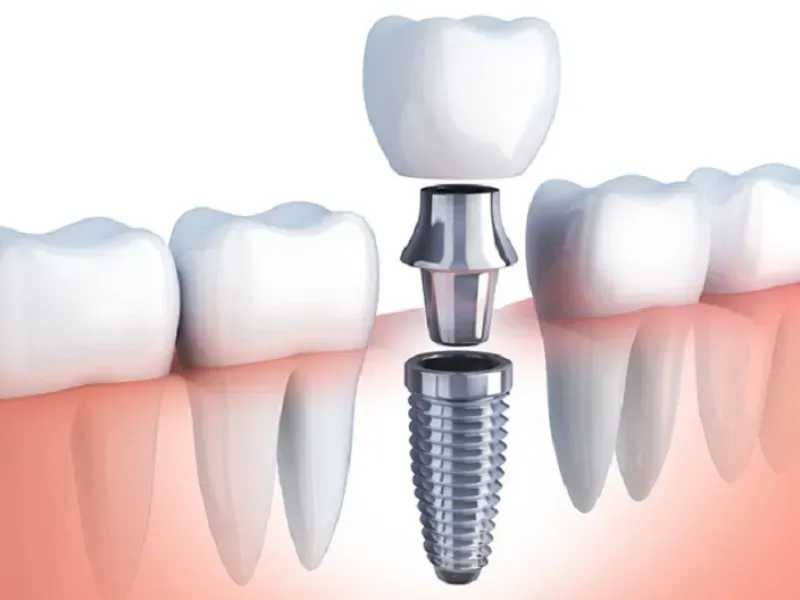
Peri-Implantitis: A Comprehensive Review of Pathogenesis, Clinical Management, and Long-Term Outcomes
The Peri-Implant Disease Spectrum: Definitions and Diagnostic Principles
The successful long-term function of dental implants is contingent upon the health and stability of the surrounding hard and soft tissues. Biological complications, primarily inflammatory in nature, represent a significant threat to this stability. These conditions, collectively known as peri-implant diseases, exist on a spectrum ranging from reversible soft tissue inflammation to irreversible, destructive bone loss. A precise and standardized diagnostic framework is therefore the cornerstone of effective prevention and management. This section delineates the definitions of peri-implant health, peri-implant mucositis, and peri-implantitis, and outlines the evidence-based diagnostic process essential for clinical practice and research.
Defining Peri-Implant Health and Peri-Implant Mucositis
Peri-Implant Health is defined by the absence of clinical signs of inflammation in the peri-implant tissues.1 Visually, the mucosa appears pink and firm, without erythema or swelling.1 The critical diagnostic criterion is the absence of bleeding or suppuration upon gentle probing.1 Furthermore, a state of health requires that there is no evidence of progressive bone loss beyond the initial physiological bone remodeling that occurs following implant placement and loading.1 In this state, the peri-implant mucosa forms a tight biological seal around the implant's transmucosal components, serving as a protective barrier against bacterial ingress.1 Peri-Implant Mucositis is the inflammatory precursor to the more destructive peri-implantitis. It is a reversible inflammatory condition confined exclusively to the soft tissues surrounding a functioning dental implant, analogous to gingivitis at a natural tooth.3 The condition is characterized by the presence of inflammation, with the cardinal clinical sign being bleeding on probing (BoP).1 Other visual signs, such as redness and swelling of the mucosa, may also be present, and an increase in probing depth is often observed due to inflammatory edema.2 The defining feature that distinguishes mucositis from peri-implantitis is the absence of progressive, radiographically detectable bone loss beyond the initial remodeling phase.1 The primary etiological factor is the accumulation of microbial biofilm, and there is strong evidence that with the timely removal of this biofilm through effective oral hygiene, the condition is entirely reversible.3
The Clinical and Radiographic Hallmarks of Peri-Implantitis
Peri-implantitis is a destructive, biofilm-associated pathological condition affecting both the soft and hard tissues surrounding a previously osseointegrated dental implant, resulting in the progressive loss of supporting bone.6 It is widely considered the implant counterpart to periodontitis.9 The clinical presentation of peri-implantitis includes the classic signs of soft tissue inflammation seen in mucositis—such as redness, swelling, and bleeding on probing—but often with greater severity.3 Two additional clinical signs are highly indicative of the advanced disease state: suppuration (the expression of purulent exudate from the peri-implant sulcus upon probing or gentle pressure) and a progressive increase in probing depth compared to baseline measurements.1 From the patient's perspective, symptoms may include puffy or bleeding gums around the implant, a persistent bad taste, or halitosis.10 Pain is an infrequent finding and is typically associated only with acute infective episodes.6 The pathognomonic feature that definitively separates peri-implantitis from mucositis is the radiographic evidence of marginal bone loss occurring after the completion of initial physiological bone remodeling.1 The pattern of bone destruction is often described as having a saucer-shaped or crater-like morphology around the coronal aspect of the implant.6 The progression of peri-implantitis is frequently characterized as non-linear and accelerating, with a rate of bone destruction that can be faster than that observed in periodontitis.7 If left untreated, the continuous loss of supporting bone compromises osseointegration, leading to implant mobility and, ultimately, implant failure and loss.10
Consensus Case Definitions (AAP/EFP) for Clinical Practice and Research
To address significant heterogeneity in the literature, which reported highly variable prevalence rates due to differing diagnostic criteria, the 2017 World Workshop on the Classification of Periodontal and Peri-Implant Diseases and Conditions established standardized case definitions.2 This standardization was a critical infrastructural development for the field, enabling meaningful comparison across studies, facilitating valid meta-analyses, and forming the basis for evidence-based clinical practice guidelines.11 The consensus definitions are as follows:
- Diagnosis of Peri-implantitis (when baseline data are available): The diagnosis requires the presence of bleeding and/or suppuration on probing, combined with an increasing probing depth compared to baseline measurements, and radiographic evidence of progressive bone loss since the post-loading baseline radiograph.1
- Diagnosis of Peri-implantitis (in the absence of baseline data): For cross-sectional diagnosis where previous records are unavailable, peri-implantitis can be diagnosed based on the combination of bleeding and/or suppuration on probing, a probing depth of 6 mm or greater, and radiographic bone levels located 3 mm or more apical to the most coronal portion of the intra-osseous part of the implant.1
The Diagnostic Process: Integrating Probing, Radiographic Assessment, and Clinical Signs
A definitive diagnosis of peri-implantitis requires a systematic clinical and radiographic examination, with an emphasis on detecting changes over time.7 Probing: Regular probing of the peri-implant sulcus is an essential component of monitoring.1 A light, standardized probing force of approximately 0.2 to 0.25 N is recommended.7 This is because the peri-implant mucosal seal is anatomically different from the periodontal attachment; it has less resistance to probe penetration, meaning a heavier force can cause traumatic bleeding and give a falsely deep reading even in a state of health.1 The absolute probing depth is less important than the change in probing depth over time, measured from a fixed reference point (e.g., the restoration margin).7 Bleeding on Probing (BoP): BoP is the most reliable clinical sign for detecting the presence of mucosal inflammation.2 Its absence is a strong negative predictor, indicating peri-implant tissue stability.13 However, this presents a significant clinical challenge: the most sensitive early indicator of inflammation, BoP, is an unreliable predictor of the destructive disease itself. The presence of BoP has a low positive predictive value for peri-implantitis, with a high rate of false positives; many sites that bleed are inflamed (mucositis) but are not yet losing bone.24 Conversely, the definitive diagnostic sign, radiographic bone loss, only confirms that irreversible damage has already occurred. This diagnostic tension elevates the importance of longitudinal monitoring against a stable baseline above any single cross-sectional measurement. The true diagnostic trigger for intervention is not merely the presence of BoP, but a worsening trend, such as a documented increase in probing depth or new bone loss when compared to baseline records. Radiographic Assessment: Radiographic evaluation is indispensable for diagnosing peri-implantitis. A baseline radiograph, ideally a periapical view taken with a long-cone paralleling technique, should be obtained after the completion of initial physiological bone remodeling (typically within one year of prosthetic loading).7 This baseline serves as the crucial reference against which all future radiographs are compared. Subsequent radiographs taken at regular maintenance intervals or when clinical signs of inflammation are present allow for the detection of progressive marginal bone loss—the definitive sign of peri-implantitis.23 Suppuration: The presence of purulent exudate is a clear sign of an active infection and is strongly associated with a diagnosis of peri-implantitis.10 Parameter Peri-Implant Health Peri-Implant Mucositis Peri-Implantitis Bleeding on Probing (BoP) Absent Present Present Suppuration Absent Absent Often Present Probing Depth (PD) No increase from baseline Increase often present due to swelling Increase from baseline present Radiographic Bone Loss No progressive loss beyond initial remodeling No progressive loss beyond initial remodeling Progressive loss beyond initial remodeling present¹ ¹ In the absence of baseline data, diagnosis requires BoP/suppuration, PD ≥6 mm, and bone level ≥3 mm apical to the implant collar.1
Etiopathogenesis: The Interplay of Biofilm, Host, and Implant
Peri-implantitis is a multifactorial disease, arising from a complex interplay between a pathogenic microbial biofilm, the host's immune-inflammatory response, and local factors related to the implant and its prosthetic components. While the microbial biofilm is the initiating agent, the progression and severity of the disease are dictated by the host's susceptibility and the specific characteristics of the peri-implant environment.
The Central Role of Microbial Biofilm and Dysbiosis
The primary etiological factor for the initiation of peri-implant diseases is the accumulation and maturation of a microbial biofilm on the implant surface.1 Similar to natural teeth, dental implants provide a hard, non-shedding surface within the oral cavity, making them highly susceptible to bacterial colonization and biofilm formation.29 The disease process is triggered by a disruption of microbial homeostasis—a state known as dysbiosis—which represents an imbalance between the bacterial challenge and the host's response.7 The colonization sequence begins almost immediately after implant exposure to the oral environment with the formation of a salivary pellicle, which modifies the implant surface and provides receptors for the attachment of early bacterial colonizers.33 Over a period of days to weeks, this initial colonization evolves into a structurally complex and metabolically integrated biofilm community within the peri-implant sulcus.31 In a state of health, this biofilm may exist in a symbiotic relationship with the host. However, factors such as inadequate oral hygiene allow the biofilm to mature and shift in composition, leading to an increase in pathogenic species that provoke a destructive inflammatory response.32
Microbiological Profile: Key Pathogens and a Comparison with Periodontitis
The microbiota associated with peri-implantitis is a complex, heterogeneous, mixed anaerobic infection, predominantly composed of Gram-negative bacteria.6 There is significant overlap with the pathogens implicated in chronic periodontitis. Strong evidence consistently associates peri-implantitis with the "red complex" bacteria: Porphyromonas gingivalis, Treponema denticola, and Tannerella forsythia.6 Other frequently identified species include Prevotella intermedia, Campylobacter rectus, and Aggregatibacter actinomycetemcomitans.6 Despite these similarities, the peri-implant microbiome is a distinct ecological niche.34 This unique environment, shaped by the implant material, the nature of the mucosal seal, and the host's underlying immune response to the foreign body, can select for a different and more varied microbial community. Consequently, the peri-implantitis biofilm can be more heterogeneous and may harbor "unusual" or opportunistic pathogens not typically found in periodontitis, such as Staphylococcus aureus, various enteric rods, and yeasts.29 This microbial variability presents a clinical challenge, as it complicates the development of targeted antimicrobial therapies and explains why broad-spectrum mechanical debridement remains the cornerstone of treatment. The presence of non-traditional pathogens may account for cases that are refractory to standard therapeutic approaches aimed solely at Gram-negative anaerobes.
The Implant as a Foreign Body: Titanium Particle-Induced Inflammation
Beyond the infectious model, an emerging paradigm conceptualizes osseointegration not as a state of biological inertia, but as a controlled, low-grade "foreign body response".39 In this model, the host bone forms a stable demarcation to wall off and tolerate the implant, establishing a fragile "foreign body equilibrium" maintained by chronic immune surveillance.39 Peri-implantitis can thus be viewed as a disease of immunological imbalance, where stressors like a pathogenic biofilm disrupt this equilibrium, tipping the balance from controlled inflammation to uncontrolled, destructive inflammation. This concept is further supported by the role of the biomaterial itself. Mechanical friction and microbial-induced biocorrosion can cause the degradation of the titanium surface, leading to the release of titanium ions, microparticles, and nanoparticles into the surrounding tissues.32 These metallic particles are not inert; they can be phagocytosed by immune cells, particularly macrophages, triggering a potent pro-inflammatory response and directly stimulating pathways that lead to bone resorption.12 This suggests a dual-pathway pathogenesis: the biofilm initiates the primary inflammatory insult, and the resulting acidic microenvironment may accelerate corrosion, releasing titanium particles that act as a secondary, non-microbial inflammatory stimulus, thereby amplifying and perpetuating the destructive cycle. This reframing has profound therapeutic implications, suggesting that future strategies must not only address the microbial trigger but also aim to modulate the host's hyper-inflammatory response and mitigate biomaterial degradation.
Host-Biofilm Interactions at the Peri-Implant Interface
The clinical signs of peri-implantitis are the manifestation of the host's immune response to the dysbiotic biofilm.32 Initially, a commensal biofilm might elicit a weak, homeostatic inflammatory response, characterized by low-level cytokine production (e.g., IL-6) that helps maintain tissue integrity.43 However, as the biofilm becomes more pathogenic, it triggers a robust immune-inflammatory cascade, leading to the release of high levels of pro-inflammatory cytokines, chemokines, and proteolytic enzymes like matrix metalloproteinases (MMPs).35 This response, while intended to be protective and eliminate the microbial threat, is ultimately responsible for the collateral damage to the host's own tissues.32 A critical distinction from periodontitis lies in the anatomy of the peri-implant tissues. The absence of a periodontal ligament and the different orientation and composition of supracrestal connective tissue fibers around an implant create an environment that is less capable of containing the inflammatory lesion.5 As a result, the inflammatory infiltrate in peri-implantitis can penetrate more deeply and spread more rapidly, progressing directly to the crestal bone and causing accelerated destruction.5
Immunopathological Mechanisms of Tissue Destruction
The transition from a state of health to destructive peri-implantitis is mediated by a complex and dysregulated host immune response. While initiated by a microbial challenge, the actual breakdown of soft tissue and resorption of alveolar bone is executed by the host's own cellular and molecular machinery. Understanding these immunopathological pathways is crucial for appreciating the disease's aggressive nature and for developing future therapeutic strategies that target the host response.
The Host Inflammatory Response: From Mucositis to Peri-Implantitis
The initial host response to biofilm accumulation around an implant mirrors that seen at a natural tooth, leading to the clinical state of peri-implant mucositis.12 This stage is characterized by an inflammatory infiltrate within the connective tissue adjacent to the implant surface. However, if the microbial challenge persists and dysbiosis is established, the lesion undergoes a significant transformation in both size and cellular composition, marking the transition to peri-implantitis. Histologically, the peri-implantitis lesion is profoundly different from and more severe than its periodontal counterpart. It is typically much larger, with an inflammatory cell infiltrate that extends more apically, often reaching the bone marrow.7 The cellular makeup is dominated by large proportions of B-lymphocytes, plasma cells, and macrophages, indicating a chronic and highly active adaptive immune response.14 A critical anatomical vulnerability distinguishes the peri-implant environment: the frequent absence of a dense, protective layer of connective tissue overlying the crestal bone, a feature typically present in periodontitis.14 The lack of a periodontal ligament (PDL), with its organized fiber structure and robust vascular network, means there is no effective "firewall" to contain the inflammatory process.5 Consequently, the inflammatory infiltrate can spread directly to the bone surface, initiating resorption without the intermediate stage of connective tissue attachment loss seen in periodontitis.5 This anatomical deficiency explains the often rapid and aggressive pattern of bone loss observed in peri-implantitis and underscores that the destructive nature of the disease is driven as much by this vulnerable host environment as by the virulence of the microbiome. This provides a strong biological rationale for clinical interventions, such as soft tissue grafting, that aim to augment the host's deficient anatomical defenses.10
Key Inflammatory Mediators and Cytokine Networks
The interaction between the host immune system and the dysbiotic biofilm triggers the release of a potent cocktail of inflammatory mediators that orchestrate the disease process.35 This network of cytokines and chemokines recruits immune cells to the site, amplifies the inflammatory response, and directly mediates tissue breakdown. Key pro-inflammatory cytokines consistently found at elevated levels in peri-implantitis lesions include Interleukin-1β (IL-1β), Interleukin-6 (IL-6), and Tumor Necrosis Factor-alpha (TNF-α).42 These molecules are pleiotropic, contributing to vasodilation, immune cell recruitment, and the production of tissue-degrading enzymes like matrix metalloproteinases (MMPs). Crucially, they are also powerful stimulators of bone resorption. Macrophages are key players in this process. In response to microbial signals, they polarize towards a pro-inflammatory M1 phenotype. These M1 macrophages are abundant in peri-implantitis lesions and act as cellular factories for destructive mediators, releasing high levels of TNF-α, IL-1, IL-6, and MMPs, which directly contribute to the degradation of the soft tissue matrix and drive the activation of bone-resorbing osteoclasts.44 While the overall cytokine profile in peri-implant crevicular fluid shows significant overlap with that of periodontitis, suggesting common inflammatory pathways, the downstream consequences are more severe due to the unique anatomical context of the implant.46
The Osteoimmunology of Bone Loss: The RANKL/RANK/OPG Axis and Osteoclastogenesis
The defining feature of peri-implantitis, alveolar bone loss, is a direct outcome of osteoimmunology—the intricate communication between the immune system and the skeletal system.47 The inflammatory process disrupts the normal, balanced cycle of bone remodeling, uncoupling bone resorption from bone formation and creating a net catabolic state that leads to progressive bone destruction.39 The final molecular executioner of this bone loss is the over-activation of osteoclasts, the specialized multinucleated cells responsible for resorbing bone matrix.41 The differentiation and activation of these cells are tightly controlled by a critical signaling axis: the RANKL/RANK/OPG pathway.39
- RANKL (Receptor Activator of Nuclear Factor kappa-B Ligand) is a key osteoclastogenic cytokine. In the inflammatory environment of peri-implantitis, it is produced in abundance by activated immune cells (such as T-lymphocytes) and osteoblasts in response to stimulation by IL-1β and TNF-α.
- RANK is a receptor expressed on the surface of osteoclast precursor cells (monocytes/macrophages). The binding of RANKL to RANK is the essential signal that triggers the differentiation of these precursors into mature, bone-resorbing osteoclasts.
- OPG (Osteoprotegerin) acts as a protective decoy receptor. It is secreted by osteoblasts and binds to RANKL, preventing it from interacting with RANK and thereby inhibiting osteoclast formation and activity.
In a healthy state, the ratio of RANKL to OPG is balanced, maintaining bone homeostasis. In peri-implantitis, the flood of pro-inflammatory cytokines dramatically upregulates RANKL expression while suppressing OPG. This results in a high RANKL/OPG ratio, which decisively tilts the balance in favor of osteoclastogenesis.39 This molecular switch is the final common pathway through which the complex microbial and immunological events of peri-implantitis are translated into the clinical reality of progressive bone loss. This understanding opens a clear avenue for future therapeutic development; while current treatments focus on removing the upstream microbial trigger, advanced host-modulatory therapies could one day directly target the RANKL/OPG axis to "turn off" bone destruction, uncoupling the inflammatory response from its most devastating consequence.
A Comprehensive Analysis of Risk Factors
The development of peri-implantitis is not a random event but is strongly influenced by a constellation of identifiable risk factors. These factors can be broadly categorized into patient-related systemic and behavioral factors, and local factors related to the implant and its restoration. A thorough understanding and assessment of this risk profile are fundamental to prevention and are critical for predicting long-term outcomes. The evidence strongly suggests that peri-implantitis is largely a preventable or iatrogenic disease, often arising from a failure to adequately manage these known risks.
Patient-Associated Risk Factors: Periodontal History, Smoking, and Systemic Health
- History of Periodontitis: A history of treated or untreated periodontitis is consistently identified as one of the most significant risk factors for developing peri-implantitis.9 Patients who have demonstrated susceptibility to periodontal disease, either through a pathogenic microbiome or a hyper-inflammatory host response, carry that same susceptibility to their implants. Successful treatment of periodontitis prior to implant placement is therefore a critical preventive measure.30
- Poor Oral Hygiene and Lack of Supportive Care: Inadequate personal plaque control and, crucially, non-compliance with a regular professional supportive peri-implant care (SPIC) program are powerfully linked to the onset and progression of the disease.10 Studies have shown that patients who do not attend regular maintenance are up to four times more likely to develop peri-implantitis.55 This underscores that professional maintenance is not an optional follow-up but an integral and essential phase of implant therapy.
- Smoking: Tobacco use is a major, well-established behavioral risk factor that significantly increases the odds of developing peri-implantitis and compromises the outcomes of its treatment.9 Smoking impairs the host's immune and healing responses, reduces blood flow to the peri-implant tissues, and may select for a more pathogenic microbiome.58
- Systemic Conditions: Uncontrolled diabetes mellitus is recognized as a significant systemic risk factor, as hyperglycemia can impair immune cell function, exacerbate inflammation, and compromise tissue healing.6 While other conditions such as cardiovascular disease and osteoporosis have been investigated, the evidence supporting them as direct risk factors for peri-implantitis is currently considered weaker.6
Local and Iatrogenic Risk Factors: Prosthetic Design, Excess Cement, and Implant Characteristics
Many of the most potent local risk factors are iatrogenic, meaning they are inadvertently introduced during the surgical or prosthetic phases of treatment. This places a significant burden on the clinician to design and execute treatment with a focus on long-term biological stability.
- Excess Restorative Cement: For cement-retained restorations, the presence of residual submucosal cement is a primary and severe local irritant.9 The cement acts as a foreign body and a highly plaque-retentive niche, fostering a localized and often aggressive inflammatory response that leads to rapid bone loss. The causal chain is direct: the clinical decision to use a cement-retained prosthesis, if not executed with meticulous cement cleanup, directly creates a pathogenic environment that can lead to biological failure. This provides a strong rationale for preferring screw-retained restorations where clinically feasible.
- Ill-fitting or Poorly Designed Prostheses: The long-term biological health of an implant is often determined by the design of the prosthesis it supports. Restorations with bulky, over-contoured emergence profiles, inadequate embrasure spaces, or poor proximal contacts create areas that are inaccessible to effective cleaning by both the patient and the professional.9 These design flaws inevitably lead to biofilm accumulation, which is the direct trigger for peri-implant disease. This reinforces the concept of "prosthetically-driven implant placement" not merely for esthetics, but as a primary preventive strategy.
- Implant Position and Characteristics: Suboptimal 3D implant positioning can compromise the ability to fabricate a cleansable prosthesis and can result in unfavorable soft tissue architecture.10 Furthermore, implant surface characteristics play a role. While modern rough surfaces are designed to enhance osseointegration, they also provide a larger surface area for bacterial colonization and can be more difficult to decontaminate if peri-implantitis develops, potentially leading to faster disease progression and a poorer treatment prognosis.60
The Role of Peri-Implant Soft Tissue Phenotype
The quality and quantity of the soft tissue surrounding an implant are critical modulating factors. A lack of an adequate zone of thick, immobile, keratinized mucosa is a significant risk indicator.14 An insufficient band of keratinized tissue (less than 2 mm) is associated with greater plaque accumulation, more pronounced inflammation, and increased patient discomfort during brushing, which can lead to compromised oral hygiene.10 Conversely, a thick, robust soft tissue phenotype is considered protective, providing a more resilient biological seal and facilitating more effective plaque control.10 The collective weight of these risk factors reframes peri-implantitis from an unpredictable complication to a largely foreseeable and preventable outcome. The disease often represents a failure in one of three key domains: patient selection and risk modification, meticulous surgical and prosthetic execution with a focus on cleansability, or the implementation of a rigorous, lifelong supportive care program.
Risk Factor/Indicator Category Strength of Evidence Key References History of Periodontitis Patient-Related Strong 10 Poor Oral Hygiene Patient-Related Strong 10 Lack of Supportive Care Patient-Related Strong 10 Smoking Patient-Related Strong 9 Excess Cement Local/Iatrogenic Strong 9 Poor Prosthetic Design Local/Iatrogenic Strong 10 Uncontrolled Diabetes Patient-Related Moderate 6 Lack of Keratinized Mucosa Local/Iatrogenic Moderate 12 Implant Surface Roughness Local/Iatrogenic Moderate 9 Occlusal Overload Local/Iatrogenic Limited 9 Genetic Factors Patient-Related Limited 9
Foundational Strategies for Prevention and Long-Term Maintenance
Given the significant challenges and unpredictable outcomes associated with treating established peri-implantitis, primary prevention stands as the most effective strategy for ensuring the long-term health and survival of dental implants. This preventive philosophy is not limited to post-operative patient care but is an integrated clinical approach that begins at the initial consultation and extends through every phase of treatment and into a lifelong maintenance program. The most effective preventive measures are those implemented by the clinician during the planning and execution stages, creating an environment that is conducive to health and resilient to future biological challenges.
Primordial and Primary Prevention: From Patient Selection to Prosthetic Design
The foundation of prevention is laid long before the implant is placed. It begins with a comprehensive patient assessment and a treatment plan that prioritizes biological stability and long-term maintainability.
- Patient Assessment and Risk Modification: A thorough evaluation of the patient's medical history and risk profile is mandatory.21 Any active periodontal disease must be successfully treated and stabilized before initiating implant therapy.30 Systemic risk factors, particularly diabetes, must be well-controlled. Behavioral risks, most notably smoking, should be addressed through counseling and cessation programs.9 This initial phase of risk management is crucial for selecting appropriate candidates and modifying risk to improve the prognosis.
- Prosthetically-Driven Surgical Planning: The surgical placement of the implant must be guided by the needs of the final prosthesis to ensure a cleansable and biologically sound outcome. This involves ensuring adequate bone volume to allow for ideal 3D implant positioning, which includes maintaining sufficient buccal/lingual bone thickness and appropriate apico-coronal depth.21 Adequate mesio-distal spacing between implants, and between implants and natural teeth, is also essential to allow for healthy soft tissue contours and to provide access for hygiene instruments.21
- Prosthetic Design for Cleansability: The final restoration is a critical determinant of long-term peri-implant health. The prosthesis must be designed with an emergence profile and contours that are not bulky and allow the patient to effectively clean the entire circumference of the implant-abutment junction.10 This concept of "designing for maintenance" is a cornerstone of prevention; a patient with impeccable oral hygiene may still develop disease if the clinician has created an uncleanable restoration.
Patient-Centered Oral Hygiene Protocols
Diligent and effective daily self-care by the patient is the cornerstone of preventing biofilm accumulation.58 Clinicians have a responsibility to not only prescribe but also to demonstrate and verify the patient's ability to perform these tasks.
- Recommended Tools and Techniques: Patients should be instructed to brush at least twice daily with a soft-bristled toothbrush (manual or electric) to avoid tissue trauma while effectively removing plaque.58 Interproximal cleaning is of paramount importance and often requires specialized tools. Implant-specific floss, floss threaders, interdental brushes with plastic-coated wires, and water flossers are highly effective for cleaning the difficult-to-reach areas around implant abutments and beneath prostheses.56 The adjunctive use of an antimicrobial mouthwash may also be recommended to help reduce the overall bacterial load.58
- Patient Education: A crucial component of prevention is empowering the patient with knowledge. They must be educated on the nature of peri-implant diseases and trained to recognize the earliest signs of inflammation, such as redness or bleeding while cleaning. Patients should understand the importance of seeking immediate professional evaluation if these signs appear, as early intervention for mucositis can prevent its progression to destructive peri-implantitis.10
Professional Supportive Peri-Implant Care (SPIC): Protocols and Frequency
Regular, lifelong professional maintenance is an indispensable component of implant therapy, essential for the early detection of complications and the prevention of disease onset.30
- Components of a SPIC Visit: Each maintenance appointment should be a comprehensive re-evaluation. This includes updating the patient's medical and dental history, assessing their oral hygiene effectiveness, performing a thorough clinical examination of the peri-implant tissues (including probing depths, BoP, and checking for suppuration), evaluating occlusion, and taking radiographs as needed to monitor bone levels against the established baseline.65
- Frequency: The recall interval for SPIC must be individualized based on the patient's risk profile. However, a frequency of every 3 to 6 months is commonly recommended.21 More frequent intervals (every 3 months) are often indicated for high-risk patients (e.g., those with a history of periodontitis) to maintain better control over biofilm accumulation.65
- Professional Instrumentation: The professional removal of biofilm and calculus must be performed with instruments that will not alter or damage the titanium surface of the implant and abutment. The use of traditional stainless-steel scalers is contraindicated, as scratching the surface can create niches that promote plaque retention.59 The standard of care involves using instruments made from more compatible materials, such as titanium, carbon fiber, graphite-reinforced plastic, or gold-plated curettes.59 The evolution in etiological understanding has led to a technological shift in professional maintenance. The focus has moved from simply "scraping calculus" to comprehensively "disrupting biofilm" from a complex surface. For this, air polishing with low-abrasive powders, such as glycine or erythritol, is now considered a gold standard. These technologies are highly effective at removing biofilm from the intricate surfaces of implant threads and abutments without causing significant surface damage.56 This represents a higher standard of care that requires specific equipment and training.
Therapeutic Interventions: A Multi-Staged Approach
The management of established peri-implantitis is a complex clinical challenge that requires a structured, multi-staged therapeutic approach. The primary objectives of treatment are to arrest the progression of bone loss, resolve inflammation, and maintain the implant in a state of health and function. The therapeutic journey typically begins with a non-surgical phase aimed at initial infection control, followed by a re-evaluation to determine the need for more definitive surgical intervention. The choice of surgical technique is not arbitrary but is dictated by the specific anatomy of the bone defect.
Non-Surgical Therapy: Goals, Techniques, and Limitations
Non-surgical therapy is the mandatory first line of treatment for all cases of peri-implantitis.19 Its fundamental goals are to reduce the microbial load on the implant surface and in the surrounding soft tissues, thereby decreasing inflammation and preparing the site for either maintenance or subsequent surgical treatment.72
Mechanical Debridement and Implant Surface Decontamination
The core of non-surgical therapy is the mechanical removal of supra- and sub-mucosal biofilm and calculus. This is achieved through meticulous instrumentation of the implant and abutment surfaces. A variety of tools can be employed, including specialized titanium or plastic curettes, ultrasonic scalers fitted with protective plastic or carbon-fiber tips, and titanium brushes.19 Air-polishing devices using low-abrasive powders like glycine or erythritol have proven to be particularly effective for comprehensive biofilm removal from the complex topography of implant threads without causing significant surface damage.70 However, non-surgical therapy has significant limitations. Due to the complex geometry of implant threads and the often-tortuous nature of peri-implant pockets, achieving complete decontamination of the implant surface without direct surgical access is highly challenging, if not impossible.63 Consequently, while this phase is effective at reducing inflammation, it often fails to achieve complete disease resolution, particularly in cases with deep pockets or advanced bone loss. It is therefore frequently viewed as an essential but preparatory step to improve tissue health before definitive surgical intervention.71
Efficacy of Adjunctive Therapies
To overcome the limitations of mechanical debridement, various adjunctive therapies have been investigated, though their routine use remains controversial.
- Local and Systemic Antibiotics: The adjunctive use of locally delivered antibiotics (e.g., minocycline microspheres) may offer modest, statistically significant improvements in probing pocket depth (PPD) and BoP reduction.77 Systemic antibiotics (e.g., a combination of amoxicillin and metronidazole) may provide a greater reduction in PPD, especially in deeper sites.78 However, the evidence is inconsistent, and given the global concern over antimicrobial resistance, the routine use of either local or systemic antibiotics as an adjunct to non-surgical peri-implantitis therapy is not recommended by current clinical practice guidelines.19
- Lasers and Antimicrobial Photodynamic Therapy (aPDT): Various types of lasers (e.g., Er:YAG, diode) and aPDT have been proposed for their bactericidal effects and ability to decontaminate implant surfaces.79 However, systematic reviews and clinical guidelines have concluded that there is currently insufficient evidence to support their routine use, either as a monotherapy or as an adjunct to mechanical debridement. They have not demonstrated consistent, clinically significant benefits over standard mechanical instrumentation alone.19
Surgical Therapy: Indications and Techniques
Surgical intervention is indicated when the goals of non-surgical therapy have not been met, as evidenced by residual deep pockets (typically >5 mm), persistent bleeding on probing, and/or suppuration.19 Surgery provides the direct vision and access required for thorough decontamination of the implant surface and allows for the modification of both the hard and soft tissues to create a more maintainable environment. The specific surgical approach is dictated by the morphology of the osseous defect.
Resective Surgical Approaches
The primary goal of resective surgery is pocket elimination. This is achieved through an apically positioned flap, which repositions the mucosal margin more apically, combined with osteoplasty (recontouring of the bone) to create a shallow, cleansable peri-implant architecture.71 A critical component of this approach is implantoplasty, a procedure where the exposed and contaminated implant threads are mechanically removed using rotary diamond and polishing burs, creating a smooth, polished titanium surface.76 This smoothed surface is less retentive for plaque and easier for the patient and professional to clean, thereby reducing the risk of disease recurrence.71 Resective surgery is primarily indicated for cases with horizontal or supra-crestal bone loss, where regeneration is not predictable.
Regenerative and Reconstructive Procedures
The goal of regenerative surgery is more ambitious: to rebuild the bone that has been lost to the disease, with the ultimate aim of achieving re-osseointegration—the formation of new, direct bone-to-implant contact on a previously contaminated surface.63 This approach is most predictable and therefore indicated for contained, intra-bony defects (e.g., 2-, 3-, or 4-wall circumferential defects) that can effectively hold a bone graft and provide a source of osteogenic cells.63 The standard technique involves meticulous surgical debridement, thorough implant surface decontamination, and the application of a bone grafting material (e.g., autograft, allograft, or xenograft such as deproteinized bovine bone mineral) within the defect. The graft is typically covered with a barrier membrane in a procedure known as Guided Bone Regeneration (GBR) to prevent the ingrowth of faster-proliferating soft tissue cells and allow time for bone regeneration.63
Combined Resective-Regenerative Approaches
Clinically, many peri-implant defects are complex and present with both an intra-bony (contained) component and a supra-bony (non-contained) component.75 For these cases, a combined surgical approach is the most logical and effective strategy. This technique involves applying a regenerative procedure (bone grafting and GBR) to the intra-bony portion of the defect where regeneration is predictable, while simultaneously performing a resective procedure (implantoplasty) on the exposed, supra-bony portion of the implant to create a smooth, maintainable surface.75 This hybrid approach tailors the treatment to the specific anatomy of the defect, maximizing the potential for regeneration while ensuring long-term cleansability. The current therapeutic landscape reflects a paradigm of "damage control" rather than a complete "cure." Even successful surgical interventions rarely restore the original tissue architecture and often come with aesthetic compromises, such as significant mucosal recession after resective surgery. Furthermore, the risk of disease recurrence remains high. This reality underscores the critical importance of primary prevention, as treating the established disease is a complex, costly, and unpredictable endeavor. Treatment Phase Goal Primary Techniques Key Indications / Rationale Phase 1: Non-Surgical Therapy Reduce inflammation, initial decontamination Mechanical debridement (curettes, ultrasonics), air polishing All cases of peri-implantitis as an initial, mandatory step. Phase 2: Surgical Therapy – Resective Pocket elimination, create cleansable contour Apically positioned flap, osteoplasty, implantoplasty Horizontal bone loss, non-contained defects, or the supra-bony component of combined defects. Phase 2: Surgical Therapy – Regenerative Bone regeneration, re-osseointegration Guided Bone Regeneration (GBR) with bone grafts and barrier membranes Contained, intra-bony defects (e.g., 2-, 3-, or 4-wall defects). Phase 2: Surgical Therapy – Combined Address complex defect morphology Combination of regenerative and resective techniques Defects with both intra-bony and supra-bony components.
Prognosis, Long-Term Outcomes, and Future Directions
The ultimate measure of any therapeutic intervention for peri-implantitis is its ability to provide a stable, long-term outcome. Evaluating the prognosis requires a clear definition of therapeutic success, an understanding of the factors that predict long-term implant survival, and an acknowledgment of the significant challenge posed by disease recurrence. The long-term data suggest that peri-implantitis should be managed as a chronic disease, where the goal is arrest and control rather than a definitive cure.
Defining Therapeutic Success: Clinical and Radiographic Endpoints
Successful treatment of peri-implantitis is defined by the arrest of disease progression and the establishment of a maintainable peri-implant environment.88 The consensus endpoints for success are both clinical and radiographic:
- Clinical Endpoints: The primary clinical goal is the resolution of inflammation and the elimination of pathogenic pockets. This is typically defined as achieving residual probing depths of 5 mm or less, with bleeding on probing present at no more than one site, and a complete absence of suppuration.19
- Radiographic Endpoints: From a radiographic perspective, success is defined by the stabilization of the marginal bone level, with no evidence of further progressive bone loss following the completion of active therapy.91 For regenerative procedures, a key outcome is the amount of radiographic bone fill achieved within the original defect.75
Long-Term Outcomes and Predictors of Implant Survival Post-Treatment
Long-term studies reveal a clear hierarchy in the effectiveness of different treatment modalities.
- Non-Surgical Treatment: When used as a standalone therapy for peri-implantitis, non-surgical treatment is effective in arresting further bone loss in a majority of cases. However, it often fails to achieve complete disease resolution, with persistent inflammation (BoP) being a common finding even after 12 months.91
- Surgical Treatment: Surgical interventions consistently demonstrate more favorable and predictable long-term outcomes compared to non-surgical therapy alone.63 A systematic review comparing surgical approaches found that regenerative/reconstructive treatments yielded the most advantageous long-term results, with a mean probing depth reduction of 3.78 mm, an average radiographic bone gain of 2.34 mm, and a 5-year implant survival rate of 95%. This was superior to resective surgery (2.25 mm PPD reduction, 0.5 mm bone loss, 90% survival) and open flap debridement alone (2.23 mm PPD reduction, negligible bone change, 84% survival).87
Several factors have been identified as strong predictors of long-term prognosis after treatment. One of the most critical is the implant surface characteristic. Multiple long-term studies have found that implants with modified, rough surfaces have a significantly higher risk of recurrence and subsequent implant loss compared to those with machined (turned) surfaces.60 One study identified a modified surface as the strongest predictor for implant loss, with a hazard ratio of 4.5.62 This creates a clinical paradox: the very surface roughness designed to enhance initial osseointegration becomes a significant liability once contaminated, as it is more difficult to decontaminate and is associated with a poorer long-term prognosis. Other negative prognostic indicators include advanced bone loss at the time of treatment, the presence of suppuration at baseline, shorter implant length, and patient-related factors such as continued smoking and poor compliance with maintenance.57
Management of Disease Recurrence
Disease recurrence after active therapy is a frequent and challenging clinical problem. The concept of a one-time "cure" is not supported by the evidence. Long-term follow-up studies report high rates of recurrence; one study found that over a 7-year period, nearly 60% of surgically treated implants either demonstrated additional bone loss, required surgical retreatment, or were ultimately lost.62 Another study reported disease progression in 63% of treated implants over a mean of 6.4 years.57 This high recurrence rate firmly establishes peri-implantitis as a chronic disease that requires lifelong management. The single most important factor in preventing recurrence and maintaining long-term stability is the patient's strict adherence to a regular, professionally administered supportive peri-implant care (SPIC) program.55 Poor compliance with maintenance is significantly correlated with treatment failure.57 This chronic disease model has profound implications for clinical practice, requiring robust recall systems and extensive patient education on the necessity of this ongoing care. When recurrence does occur, management may involve repeating non-surgical or surgical interventions. In cases where progressive bone loss continues despite repeated treatments and the implant's prognosis is deemed hopeless, implant removal (explantation) is the most appropriate course of action to eliminate the infection and preserve the remaining bone for potential future reconstruction.92
Emerging Concepts and Future Research Trajectories
The future of peri-implantitis management lies in refining current techniques and developing novel therapeutic strategies. Research is focused on improving the predictability of regenerative procedures, developing more effective and less invasive implant surface decontamination methods, and, most promisingly, exploring host-modulatory therapies.63 These advanced therapies aim to move beyond simply controlling the microbial trigger and instead target the host's dysregulated immune response, for instance, by locally inhibiting the RANKL pathway to directly halt osteoclast-mediated bone resorption.42 There remains a critical need for well-designed, long-term randomized controlled trials to establish definitive, evidence-based protocols and to better understand the long-term impact of factors like implant surface design on treatment outcomes.60
Conclusion
Peri-implantitis is a significant and growing challenge in clinical dentistry, representing a complex, biofilm-initiated, and host-mediated inflammatory disease. Its pathogenesis is rooted in a dysbiotic microbial challenge that disrupts a fragile host-implant equilibrium, leading to a dysregulated immune response that ultimately drives the progressive destruction of supporting bone. The anatomical vulnerabilities of the peri-implant tissues, particularly the absence of a periodontal ligament, contribute to a more rapid and severe disease progression compared to periodontitis. The evidence synthesized in this report leads to several key conclusions. First, the diagnosis of peri-implantitis relies on a systematic approach that integrates clinical signs of inflammation with the definitive radiographic evidence of progressive bone loss. The establishment of and consistent monitoring against baseline clinical and radiographic data is not merely best practice but is essential for early and accurate detection. Second, the risk profile for peri-implantitis is well-defined and dominated by modifiable factors. A history of periodontitis, poor oral hygiene, lack of supportive care, smoking, and iatrogenic issues such as excess cement and non-cleansable prosthetic designs are the most powerful predictors of disease. This underscores a critical reality: peri-implantitis is, in a majority of cases, a preventable condition. The greatest opportunity to combat the disease lies not in treatment, but in meticulous pre-operative risk assessment, prosthetically-driven treatment planning that prioritizes long-term maintainability, and the implementation of a rigorous, lifelong supportive care program. Third, the treatment of established peri-implantitis is challenging, with outcomes that are often unpredictable. While a staged therapeutic algorithm beginning with non-surgical debridement followed by defect-driven surgical intervention is the standard of care, complete resolution is not guaranteed. Regenerative surgical techniques show the most promise for favorable long-term outcomes in contained defects, but recurrence is common across all modalities. This positions peri-implantitis as a chronic disease that requires ongoing management rather than a condition that can be definitively cured. Ultimately, mitigating the substantial biological and economic burden of peri-implantitis requires a paradigm shift from a reactive, treatment-oriented model to a proactive, prevention-focused philosophy. This approach, grounded in a deep understanding of the disease's etiopathogenesis and a commitment to evidence-based clinical protocols, is paramount to ensuring the long-term success of implant therapy and preserving the oral health of our patients. Nguồn trích dẫn 1. Peri-implant health, peri-implant mucositis, and peri-implantitis …, truy cập vào tháng 10 23, 2025, https://spindlerperio.net/wp-content/uploads/2018/07/22.-Renvert_Peri-implant-health-peri-implant-mucositis-and-peri-implantitis.pdf 2. The previous (1999) classification of periodontal diseases did not include peri-implant diseases, truy cập vào tháng 10 23, 2025, https://www.efp.org/fileadmin/uploads/efp/Documents/Campaigns/New_Classification/Guidance_Notes/report-04.pdf 3. Peri-Implant Diseases – American Academy of Periodontology, truy cập vào tháng 10 23, 2025, https://www.perio.org/for-patients/periodontal-treatments-and-procedures/dental-implant-procedures/peri-implant-diseases/ 4. Peri-implant mucositis and Peri-implantitis – Harris & Loughridge Periodontics & Implant Dentistry, truy cập vào tháng 10 23, 2025, http://www.harrisperio.com/surgical-procedures/peri-implant-mucositis-and-peri-implantitis/ 5. An Individualized Approach to Peri-Mucositis Prevention – Dimensions of Dental Hygiene, truy cập vào tháng 10 23, 2025, https://dimensionsofdentalhygiene.com/article/an-individualized-approach-to-peri-mucositis-prevention/ 6. Microbial Etiology and Antimicrobial Therapy of Peri-implantitis: A Comprehensive Review, truy cập vào tháng 10 23, 2025, https://opendentistryjournal.com/VOLUME/12/PAGE/1113/FULLTEXT/ 7. Peri-implant mucositis and peri-implantitis: key features and differences – PMC – NIH, truy cập vào tháng 10 23, 2025, https://pmc.ncbi.nlm.nih.gov/articles/PMC11126371/ 8. Peri-Implant Health and Diagnostic Considerations – MDPI, truy cập vào tháng 10 23, 2025, https://www.mdpi.com/1660-4601/19/19/12008 9. Peri-implantitis: Etiology, prevention and management strategies – Bioinformation, truy cập vào tháng 10 23, 2025, https://www.bioinformation.net/021/973206300212753.pdf 10. Peri-Implant Mucositis and Peri-Implantitis in Patients – Stomadent Dental Lab, truy cập vào tháng 10 23, 2025, https://stomadentlab.com/peri-implantitis/ 11. Etiology, pathogenesis and treatment of peri-implantitis: A European perspective – PubMed, truy cập vào tháng 10 23, 2025, https://pubmed.ncbi.nlm.nih.gov/38305506/ 12. Peri-implantitis – Wikipedia, truy cập vào tháng 10 23, 2025, https://en.wikipedia.org/wiki/Peri-implantitis 13. JOMR | Diagnostic Principles of Peri-Implantitis: a Systematic Review and Guidelines for Peri-Implantitis Diagnosis Proposal, truy cập vào tháng 10 23, 2025, https://www.ejomr.org/JOMR/archives/2016/3/e8/v7n3e8ht.htm 14. Peri-implantitis Update: Risk Indicators, Diagnosis, and Treatment – PMC, truy cập vào tháng 10 23, 2025, https://pmc.ncbi.nlm.nih.gov/articles/PMC7536094/ 15. Role of immune dysregulation in peri-implantitis – PMC, truy cập vào tháng 10 23, 2025, https://pmc.ncbi.nlm.nih.gov/articles/PMC11563827/ 16. Peri-Implant Diseases: Diagnosis, Clinical, Histological, Microbiological Characteristics and Treatment Strategies. A Narrative Review – MDPI, truy cập vào tháng 10 23, 2025, https://www.mdpi.com/2079-6382/9/11/835 17. Staging and Grading Periodontitis – American Academy of Periodontology, truy cập vào tháng 10 23, 2025, https://www.perio.org/wp-content/uploads/2019/08/Staging-and-Grading-Periodontitis.pdf 18. Guideline on treatment of peri-implant diseases – European Federation of Periodontology, truy cập vào tháng 10 23, 2025, https://www.efp.org/education/continuing-education/clinical-guidelines/guideline-on-treatment-of-peri-implant-diseases/ 19. General recommendations in the non-surgical step of peri-implantitis treatment Recommendations for the surgical management of pe, truy cập vào tháng 10 23, 2025, https://www.efp.org/fileadmin/uploads/efp/Documents/Other_publications/Clinical_guidelines/peri-implantitis-guideline-03-peri-implant-diseases.pdf 20. Clinical applications for the 2018 classification of peri-implant diseases and conditions, truy cập vào tháng 10 23, 2025, https://www.perioimplantadvisory.com/clinical-tips/hygiene-techniques/article/16412254/clinical-applications-for-the-2018-classification-of-peri-implant-diseases-and-conditions 21. Recommendations for the prevention of peri-implant diseases, truy cập vào tháng 10 23, 2025, https://www.efp.org/fileadmin/uploads/efp/Documents/Other_publications/Clinical_guidelines/Peri-implantitis_GUIDELINE01_PREVENTION.pdf 22. Diagnostic Parameters for Monitoring Peri-implant Conditions – ITI Academy, truy cập vào tháng 10 23, 2025, https://academy.iti.org/iti-academy-consensus/CC3_Group4_1.pdf 23. Examining the peri-implant tissues | Prevention and Treatment of Periodontal Dis, truy cập vào tháng 10 23, 2025, https://www.periodontalcare.sdcep.org.uk/guidance/dental-implants/general-care-of-dental-implants/examining-the-peri-implant-tissues/ 24. Diagnosis of Peri-Implantitis: A Systematic Review on the Predictive Value of Bleeding on Probing – Consensus Statements – Home – ITI, truy cập vào tháng 10 23, 2025, https://www.iti.org/academy/consensus-database/consensus-statement/-/consensus/diagnosis-of-peri-implantitis-a-systematic-review-on-the-predictive-value-of-bleeding-on-probing/1813 25. Is bleeding on probing a reliable clinical indicator of peri‐implant diseases? – Deep Blue Repositories, truy cập vào tháng 10 23, 2025, https://deepblue.lib.umich.edu/bitstream/handle/2027.42/171232/jper10765_am.pdf?sequence=1 26. The diagnosis of peri-implantitis: A systematic review on the predictive value of bleeding on probing – PubMed, truy cập vào tháng 10 23, 2025, https://pubmed.ncbi.nlm.nih.gov/30328188/ 27. Is bleeding on probing a reliable clinical indicator of peri-implant diseases? – PubMed, truy cập vào tháng 10 23, 2025, https://pubmed.ncbi.nlm.nih.gov/33829501/ 28. Variables Affecting Peri-Implant Radiographic Bone Loss-8-23 Years Follow-Up – MDPI, truy cập vào tháng 10 23, 2025, https://www.mdpi.com/2076-3417/10/23/8591 29. Peri-implantitis: Etiology, pathogenesis, prevention, and therapy | Request PDF, truy cập vào tháng 10 23, 2025, https://www.researchgate.net/publication/306205970_Peri-implantitis_Etiology_pathogenesis_prevention_and_therapy 30. Risk indicators for peri-implantitis. A narrative review – PubMed, truy cập vào tháng 10 23, 2025, https://pubmed.ncbi.nlm.nih.gov/26385619/ 31. Archive ouverte UNIGE The characteristics of biofilms in peri-implant disease, truy cập vào tháng 10 23, 2025, https://access.archive-ouverte.unige.ch/access/metadata/3f95af78-bbb0-43b9-9fc8-a6bcaf71196e/download 32. Microbial dysbiosis in periodontitis and peri-implantitis … – Frontiers, truy cập vào tháng 10 23, 2025, https://www.frontiersin.org/journals/cellular-and-infection-microbiology/articles/10.3389/fcimb.2025.1517154/full 33. Microbial boundaries in peri-implantitis: a review of pathogen-related advances, truy cập vào tháng 10 23, 2025, https://foliamedica.bg/article/136356/ 34. Microbiome and Microbial Biofilm Profiles of Peri‐Implantitis: A Systematic Review, truy cập vào tháng 10 23, 2025, https://www.semanticscholar.org/paper/Microbiome-and-Microbial-Biofilm-Profiles-of-A-Lafaurie-Sabogal/df8caca175a2a1d251f79335e85705dfc67809f4 35. (PDF) Host-microbiome interactions regarding peri-implantitis and dental implant loss, truy cập vào tháng 10 23, 2025, https://www.researchgate.net/publication/363764986_Host-microbiome_interactions_regarding_peri-implantitis_and_dental_implant_loss 36. Host-microbiome interactions regarding peri-implantitis and dental implant loss – PMC, truy cập vào tháng 10 23, 2025, https://pmc.ncbi.nlm.nih.gov/articles/PMC9502891/ 37. Host-microbiome interactions regarding peri-implantitis and dental implant loss – PubMed, truy cập vào tháng 10 23, 2025, https://pubmed.ncbi.nlm.nih.gov/36138430/ 38. Dental implant surfaces and their interaction with the oral microbiome – White Rose Research Online, truy cập vào tháng 10 23, 2025, https://eprints.whiterose.ac.uk/id/eprint/192971/3/1-s2.0-S2772559622000256-main.pdf 39. (PDF) On Peri-Implant Bone Loss Theories: Trying To Piece Together the Jigsaw, truy cập vào tháng 10 23, 2025, https://www.researchgate.net/publication/366796787_On_Peri-Implant_Bone_Loss_Theories_Trying_To_Piece_Together_the_Jigsaw 40. On Peri-Implant Bone Loss Theories: Trying To Piece Together the Jigsaw – PMC, truy cập vào tháng 10 23, 2025, https://pmc.ncbi.nlm.nih.gov/articles/PMC9890078/ 41. On Peri-Implant Bone Loss Theories: Trying To Piece Together the Jigsaw – SciSpace, truy cập vào tháng 10 23, 2025, https://scispace.com/pdf/on-peri-implant-bone-loss-theories-trying-to-piece-together-242py48t.pdf 42. Dysregulation of the Immune System in Advanced Periimplantitis: Systemic Implications and Inflammatory Mechanisms—A Hematological and Immunological Study – MDPI, truy cập vào tháng 10 23, 2025, https://www.mdpi.com/2077-0383/14/7/2453 43. (PDF) Early host‐microbe interaction in a peri‐implant oral mucosa‐biofilm model, truy cập vào tháng 10 23, 2025, https://www.researchgate.net/publication/340889525_Early_host-microbe_interaction_in_a_peri-implant_oral_mucosa-biofilm_model 44. Immune dysregulation and macrophage polarization in peri-implantitis – Frontiers, truy cập vào tháng 10 23, 2025, https://www.frontiersin.org/journals/bioengineering-and-biotechnology/articles/10.3389/fbioe.2024.1291880/full 45. Risk indicators for mucositis and peri-implantitis: results from a practice-based cross-sectional study – PMC – NIH, truy cập vào tháng 10 23, 2025, https://pmc.ncbi.nlm.nih.gov/articles/PMC7321710/ 46. (PDF) Intra-individual cytokine profile in peri-implantitis and periodontitis: A cross-sectional study – ResearchGate, truy cập vào tháng 10 23, 2025, https://www.researchgate.net/publication/349397438_Intra-individual_cytokine_profile_in_peri-implantitis_and_periodontitis_A_cross-sectional_study 47. Bone Cells Dynamics during Peri-Implantitis: a Theoretical Analysis – PMC, truy cập vào tháng 10 23, 2025, https://pmc.ncbi.nlm.nih.gov/articles/PMC5100646/ 48. Harnessing osteoimmunity to treat peri-implant inflammatory osteolysis – RSC Publishing, truy cập vào tháng 10 23, 2025, https://pubs.rsc.org/en/content/articlehtml/2024/ma/d3ma00733b 49. Basis of Bone Metabolism around Dental Implants during Osseointegration and Peri-Implant Bone Loss – Deep Blue Repositories, truy cập vào tháng 10 23, 2025, https://deepblue.lib.umich.edu/bitstream/handle/2027.42/137387/jbma36060_am.pdf?sequence=2 50. INNOVATIVE IMMUNOMODULATORY STRATEGIES IN THE MANAGEMENT OF PERI-IMPLANTITIS: CURRENT PARADIGMS AND FUTURE DIRECTIONS, truy cập vào tháng 10 23, 2025, https://ecmjournal.org/papers/vol050/pdf/v050a03.pdf 51. Risk factors, diagnosis, and treatment of peri‐implantitis: A cross …, truy cập vào tháng 10 23, 2025, https://pmc.ncbi.nlm.nih.gov/articles/PMC10138758/ 52. Incidence and Risk Factors of Peri-Implantitis Over Time-A Prospective Cohort Study, truy cập vào tháng 10 23, 2025, https://pubmed.ncbi.nlm.nih.gov/39803810/ 53. Peri-implantitis prevalence, incidence rate, and risk factors: A study of electronic health records at a U.S. dental school – PubMed, truy cập vào tháng 10 23, 2025, https://pubmed.ncbi.nlm.nih.gov/30768875/ 54. Prevalence and Risk Factors of Peri-Implant Disease: A Retrospective Case-Control Study in Western China – PMC, truy cập vào tháng 10 23, 2025, https://pmc.ncbi.nlm.nih.gov/articles/PMC9566187/ 55. Importance of Supportive Peri-Implant Therapy – Dentalcare.com, truy cập vào tháng 10 23, 2025, https://www.dentalcare.com/en-us/ce-courses/ce696/importance-of-supportive-peri-implant-therapy 56. (PDF) Long-term Implant Maintenance: A Systematic Review of Home and Professional Care Strategies in Supportive Implant Therapy – ResearchGate, truy cập vào tháng 10 23, 2025, https://www.researchgate.net/publication/385264575_Long-term_Implant_Maintenance_A_Systematic_Review_of_Home_and_Professional_Care_Strategies_in_Supportive_Implant_Therapy 57. Long-term outcomes after peri-implantitis treatment and their influencing factors: a retrospective study, truy cập vào tháng 10 23, 2025, https://pmc.ncbi.nlm.nih.gov/articles/PMC9253284/ 58. Peri-Implantitis Prevention Strategies – Nemeth & Katranji Periodontics, truy cập vào tháng 10 23, 2025, https://drnemeth.com/2024/10/peri-implantitis-prevention-strategies/ 59. Preventing Peri-Implantitis – Dimensions of Dental Hygiene, truy cập vào tháng 10 23, 2025, https://dimensionsofdentalhygiene.com/article/preventing-peri-implantitis/ 60. Impact of implant surface modifications on long-term outcome of surgical peri-implantitis treatment: a systematic review – Frontiers, truy cập vào tháng 10 23, 2025, https://www.frontiersin.org/journals/dental-medicine/articles/10.3389/fdmed.2025.1661369/epub 61. Impact of implant surface modifications on long-term outcome of surgical peri – Frontiers, truy cập vào tháng 10 23, 2025, https://www.frontiersin.org/journals/dental-medicine/articles/10.3389/fdmed.2025.1661369/pdf 62. Long-term outcomes and prognostic factors of surgical treatment of peri-implantitis – A retrospective study – PubMed, truy cập vào tháng 10 23, 2025, https://pubmed.ncbi.nlm.nih.gov/38112108/ 63. Surgical regenerative therapy for peri-implantitis—a comprehensive review and what is the current histological evidence? – AME Publishing Company, truy cập vào tháng 10 23, 2025, https://cdn.amegroups.cn/journals/pbpc/files/journals/8/articles/97470/public/97470-PB1-4066-R1.pdf?filename=FOMM-24-36-final-3.7.pdf&t=1754840402 64. Primary Prevention of Peri-Implantitis: Managing Peri-Implant Mucositis – PubMed, truy cập vào tháng 10 23, 2025, https://pubmed.ncbi.nlm.nih.gov/25626479/ 65. Implant Maintenance: A Clinical Update – PMC, truy cập vào tháng 10 23, 2025, https://pmc.ncbi.nlm.nih.gov/articles/PMC4897104/ 66. A Complete Guide to Caring for Your Dental Implants: Single Tooth, All-on-X, and Full-Mouth Solutions, truy cập vào tháng 10 23, 2025, https://www.barclayfamilydental.com/a-complete-guide-to-caring-for-your-dental-implants-single-tooth-all-on-x-and-full-mouth-solutions 67. Dental Implant Maintenance Tips Boca Raton- Home & Professional Care, truy cập vào tháng 10 23, 2025, https://www.flsmile.com/dental-implants/implant-maintenance/ 68. Implant maintenance update | Registered Dental Hygienists – RDH Magazine, truy cập vào tháng 10 23, 2025, https://www.rdhmag.com/patient-care/implant-maintenance/article/55299969/implant-maintenance-update 69. General recommendations in the management of peri-implant mucositis, truy cập vào tháng 10 23, 2025, https://www.efp.org/fileadmin/uploads/efp/Documents/Other_publications/Clinical_guidelines/peri-implantitis-guideline-02-mucositis.pdf 70. Study Details | NCT06430268 | Efficacy of Non-surgical and Surgical Surface Decontamination Methods on Peri-implantitis-affected Implants | ClinicalTrials.gov, truy cập vào tháng 10 23, 2025, https://clinicaltrials.gov/study/NCT06430268 71. Implantoplasty as adjunct to the surgical treatment of peri-implantitis – ITI Blog, truy cập vào tháng 10 23, 2025, https://blog.iti.org/clinical-insights/implantoplasty-as-adjunct-to-the-surgical-treatment-of-peri-implantitis/ 72. Peri-Implantitis Treatment on Microbial Decontamination – MDPI, truy cập vào tháng 10 23, 2025, https://www.mdpi.com/2076-2607/13/7/1681 73. What are the limits for non-surgical peri-implantitis therapy?, truy cập vào tháng 10 23, 2025, https://www.efp.org/publications-hub/what-are-the-limits-for-non-surgical-peri-implantitis-therapy/ 74. Study Details | NCT03114956 | Surface Decontamination in Treatment of Peri-Implantitis, truy cập vào tháng 10 23, 2025, https://clinicaltrials.gov/ct2/show/NCT03114956 75. Regenerative Surgical Therapy of Peri-implantitis: An Umbrella Review of Answered/Unanswered Questions and Future Perspectives – Frontiers, truy cập vào tháng 10 23, 2025, https://www.frontiersin.org/journals/dental-medicine/articles/10.3389/fdmed.2020.614240/full 76. Principles of Combined Surgical Therapy for the Management of Peri-Implantitis – University of Michigan Library, truy cập vào tháng 10 23, 2025, https://deepblue.lib.umich.edu/bitstream/handle/2027.42/172068/cap10186.pdf?sequence=2&isAllowed=y 77. Antibiotics as Adjunctive Therapy in the Non-Surgical Treatment of Peri-Implantitis: A Systematic Review and Meta-Analysis – MDPI, truy cập vào tháng 10 23, 2025, https://www.mdpi.com/2079-6382/11/12/1766 78. Efficacy of adjunctive measures in the non-surgical treatment of peri-implantitis: A systematic review – ResearchGate, truy cập vào tháng 10 23, 2025, https://www.researchgate.net/publication/370550432_Efficacy_of_adjunctive_measures_in_the_non-surgical_treatment_of_peri-implantitis_A_systematic_review 79. Clinical efficacy of adjunctive methods for the non-surgical treatment …, truy cập vào tháng 10 23, 2025, https://pmc.ncbi.nlm.nih.gov/articles/PMC10251565/ 80. Non-Surgical Therapy and Oral Microbiota Features in Peri-Implant Complications: A Brief Narrative Review – MDPI, truy cập vào tháng 10 23, 2025, https://www.mdpi.com/2227-9032/11/5/652 81. (PDF) Adjunctive therapies for the nonsurgical treatment of peri-implant diseases: systemic review and meta-analysis – ResearchGate, truy cập vào tháng 10 23, 2025, https://www.researchgate.net/publication/341673772_Adjunctive_therapies_for_the_nonsurgical_treatment_of_peri-implant_diseases_systemic_review_and_meta-analysis 82. Non-surgical mechanical therapy of peri-implantitis with or without repeated adjunctive diode laser application. A 6-month double-blinded randomized clinical trial, truy cập vào tháng 10 23, 2025, https://www.efp.org/fileadmin/uploads/efp/Documents/Past_prize_winners/2022_1st_Clinical_Research_Prize__A_Roccuzzo_.pdf 83. Resective surgical treatment of peri-implantitis: an integrative review | Oral and Implantology, truy cập vào tháng 10 23, 2025, https://oimplantology.com/index.php/oimplantology/article/view/115 84. Detoxification of Implant Surfaces Affected by Peri-Implant Disease: An Overview of Non-surgical Methods – The Open Dentistry Journal, truy cập vào tháng 10 23, 2025, https://opendentistryjournal.com/VOLUME/8/PAGE/77/FULLTEXT/ 85. Principles of Combined Surgical Therapy for the Management of Peri‐Implantitis, truy cập vào tháng 10 23, 2025, https://www.researchgate.net/publication/354874476_Principles_of_Combined_Surgical_Therapy_for_the_Management_of_Peri-Implantitis 86. Regenerative Surgical Therapy of Peri-implantitis: An Umbrella Review of Answered/Unanswered Questions and Future Perspectives – Frontiers, truy cập vào tháng 10 23, 2025, https://www.frontiersin.org/journals/dental-medicine/articles/10.3389/fdmed.2020.614240/pdf 87. (PDF) Long-Term Prognosis of Peri-Implantitis Treatment: A Systematic Review of Prospective Trials with More Than 3 Years of Follow-Up – ResearchGate, truy cập vào tháng 10 23, 2025, https://www.researchgate.net/publication/347820370_Long-Term_Prognosis_of_Peri-Implantitis_Treatment_A_Systematic_Review_of_Prospective_Trials_with_More_Than_3_Years_of_Follow-Up 88. (PDF) Surgical Regenerative Treatments for Peri-Implantitis: Meta-analysis of Recent Findings in a Systematic Literature Review – ResearchGate, truy cập vào tháng 10 23, 2025, https://www.researchgate.net/publication/307963861_Surgical_Regenerative_Treatments_for_Peri-Implantitis_Meta-analysis_of_Recent_Findings_in_a_Systematic_Literature_Review 89. Combined Surgical Approach for Disinfection and Regeneration of Peri-Implant Defects. Three Case Report – Científica Dental, truy cập vào tháng 10 23, 2025, https://cientificadental.es/wp-content/uploads/2024/03/04CombinedSurgicalApproach.pdf 90. Treatment of peri-implantitis, truy cập vào tháng 10 23, 2025, https://www.periodontalcare.sdcep.org.uk/guidance/dental-implants/treatment-of-peri-implantitis/ 91. Non-surgical therapeutic outcomes of peri-implantitis: 12-month results – Sci-Hub, truy cập vào tháng 10 23, 2025, https://2024.sci-hub.se/7481/3342fb31b640367ed660378d81e1f230/nart2019.pdf 92. Treatment of advanced peri-implantitis with regenerative therapy: a review of the rationale, technique, and outcomes – Frontiers of Oral and Maxillofacial Medicine, truy cập vào tháng 10 23, 2025, https://fomm.amegroups.org/article/view/56768/html 93. Treatment of advanced peri-implantitis with regenerative therapy: a review of the rationale, technique, and outcomes, truy cập vào tháng 10 23, 2025, https://cdn.amegroups.cn/journals/pbpc/files/journals/8/articles/56768/public/56768-PB8-3251-R2.pdf