
An toàn sử dụng đèn quang trùng hợp
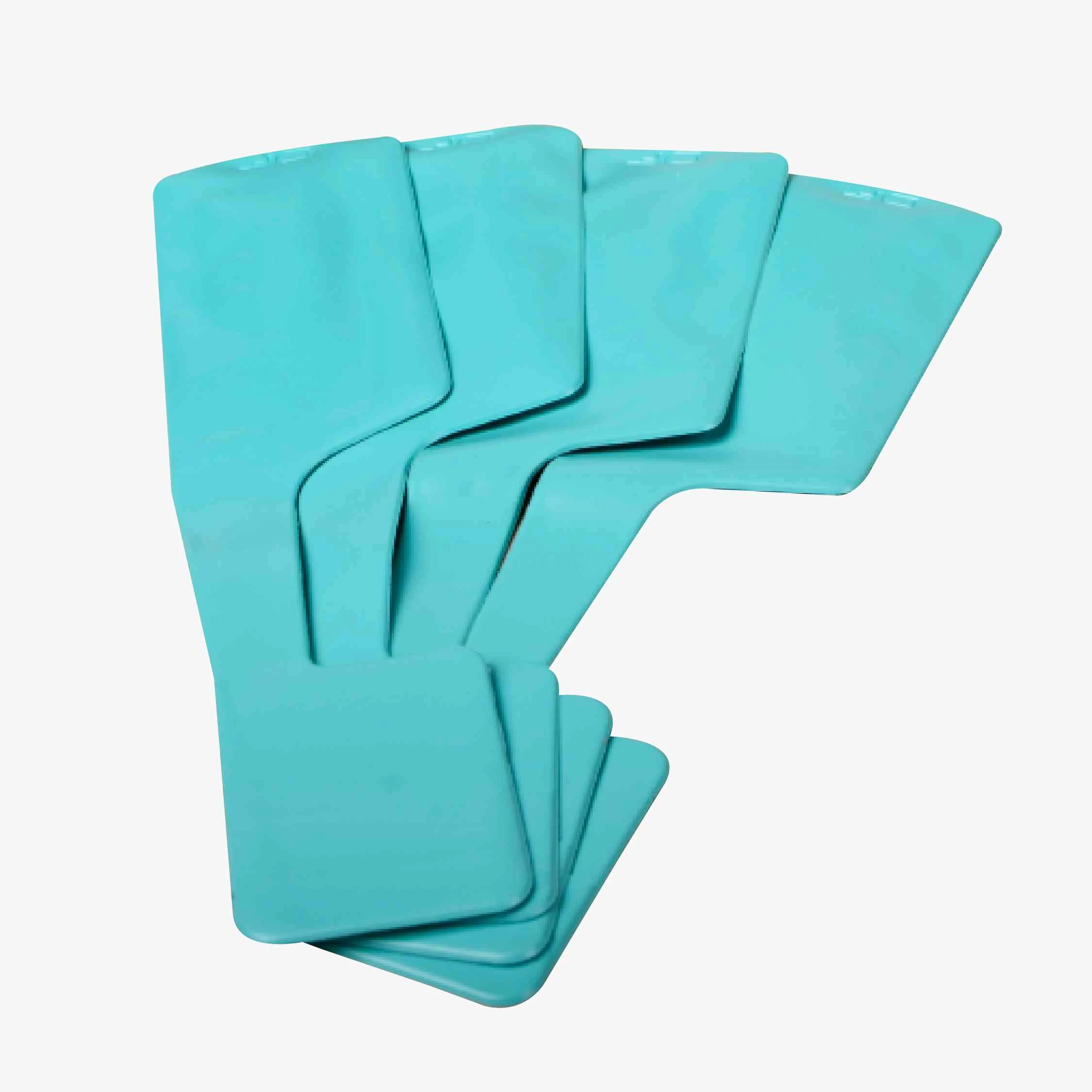
The Blue Light Hazard in Modern Dentistry: A Comprehensive Report on the Occupational Risks of Photopolymerization and Strategies for Clinical Safety Section 1: Introduction: The Indispensable Tool and Its Hidden Hazard 1.1 The Centrality of Photopolymerization in Restorative Dentistry Modern restorative dentistry has been fundamentally transformed by the advent and refinement of light-cured, resin-based materials. These materials, including composite resins, adhesives, cements, and sealants, have become the cornerstone of esthetic and conservative dental treatments. Their ability to be sculpted directly in the mouth and then hardened on command offers unparalleled advantages in preserving natural tooth structure and achieving lifelike esthetics. The clinical success of these procedures is entirely dependent on a process known as photopolymerization, or light-curing. This process relies on a specialized piece of equipment: the dental Light-Curing Unit (LCU). The LCU is a handheld device that delivers a concentrated beam of light to initiate the hardening reaction within the resin material. Given the widespread use of these materials for fillings, crowns, bridges, and orthodontic appliances, the LCU has become an indispensable and frequently utilized tool in virtually every dental operatory. Dental professionals may spend a considerable amount of time each day—cumulatively, hours per year—employing these devices to ensure the longevity, strength, and clinical success of dental restorations. 1.2 The Paradox of High-Energy Visible Light While essential for modern practice, the dental LCU embodies a significant clinical paradox. The very physical properties that make it an effective polymerization tool are also the source of substantial, and often underappreciated, occupational health hazards. Modern LCUs are engineered to emit high-intensity, or high-irradiance, visible light within a very specific narrow band of the electromagnetic spectrum. This high-energy visible (HEV) blue light is precisely what is needed to activate the chemical reaction in the dental material efficiently. However, this same band of blue light is also recognized as being uniquely hazardous to the delicate structures of the human eye, particularly the retina. This dual nature of the LCU—as both an essential clinical instrument and a potent source of optical radiation—necessitates a rigorous, evidence-based risk management approach. The potential for harm is not theoretical; it is a quantifiable risk that affects the entire dental team—dentists, assistants, and hygienists—as well as the patient. Failure to understand and mitigate these risks can lead to irreversible ocular damage and compromise the overall safety of the clinical environment. 1.3 Scope and Objectives of the Report This report provides a definitive, evidence-based analysis of the technology, risks, and safety protocols associated with the use of dental photopolymerization lights. The objectives are to: 1. Elucidate the fundamental science of photopolymerization and the key radiometric and spectrometric parameters of modern LCUs. 2. Conduct a thorough assessment of the primary occupational risk—photochemical retinal injury, often termed the "Blue Light Hazard"—and the full spectrum of secondary hazards affecting the dental team. 3. Analyze the differential risk profile for patients and outline comprehensive strategies for their protection. 4. Synthesize and interpret the existing safety guidelines from professional and regulatory bodies to establish a clear standard of care for the safe and effective use of dental curing lights. By consolidating scientific evidence, clinical data, and regulatory standards, this report aims to serve as a comprehensive resource for dental professionals committed to upholding the highest standards of occupational health and patient safety. Section 2: The Science of Photopolymerization: Understanding the Light Source 2.1 Technological Evolution of Light-Curing Units (LCUs) The technology of dental curing lights has undergone a significant evolution, driven by the concurrent goals of improving clinical efficiency and enhancing safety. Each generation of technology has presented a unique profile of benefits and drawbacks. Early Generations (UV and QTH) The first light-cured resins, introduced in the 1960s, were polymerized using ultraviolet (UV) radiation. The pioneering device, known as the "NUVA" light, utilized UV light to cure materials, but it was fraught with limitations. The short wavelengths of UV light resulted in a poor depth of cure, compromising the durability of restorations. More significantly, there were substantial safety concerns regarding the potential for UV radiation to cause tissue damage, including acute and long-term eye injuries. These clinical and safety shortcomings ultimately led to the discontinuation of UV-based curing systems. In the 1980s, the industry transitioned to visible-light curing with the introduction of Quartz-Tungsten-Halogen (QTH) bulbs. QTH lights offered a significant improvement by using a broad spectrum of visible light, which included the necessary blue wavelengths for curing and provided better penetration into the resin. However, QTH technology was inherently inefficient. These bulbs produced a great deal of heat and emitted a significant portion of their energy as light outside the useful curing range, requiring filters to remove unwanted wavelengths and internal fans for cooling. This made them bulky, energy-inefficient, and prone to degradation, with bulb lifespans of only 30-50 hours. Studies found that a substantial number of QTH lights in clinical use were functioning at inadequate levels to properly cure composites. The Advent of LED Technology The current standard of care in photopolymerization is the Light-Emitting Diode (LED) LCU. LEDs represent a quantum leap in efficiency and design. They convert electronic energy directly into light energy with minimal heat production, allowing for the development of smaller, lighter, and often cordless, battery-powered devices that are far more portable and convenient than their QTH predecessors. The longevity of LEDs also far surpasses that of fragile QTH bulbs. Modern high-power LEDs do generate some internal heat, which manufacturers manage through the use of heat sinks or thermostatic controls, but their overall thermal output remains significantly lower than QTH units. Other High-Intensity Systems For a period, other technologies such as Plasma Arc Curing (PAC) lights and lasers were introduced to the market. These systems offered extremely high light intensity and the promise of very rapid curing times, sometimes advertised as just a few seconds. However, they came with significant disadvantages. PAC lights were expensive, large, and cumbersome, and they generated intense heat that required careful handling. Lasers also produce high heat and require precise technique to avoid damaging the restoration or surrounding tissues. Due to these drawbacks, PAC and laser systems have not achieved the widespread clinical adoption of LED technology. 2.2 The Photochemical Curing Reaction The hardening of a dental resin is a chemical process known as free-radical polymerization, which is initiated by light energy. The Role of the Photoinitiator To make this reaction possible, light-curable dental materials are formulated with a chemical component called a photoinitiator. The most widely used photoinitiator in dental composites for decades has been camphorquinone (CQ). CQ is a molecule specifically engineered to be sensitive to light within the blue portion of the visible spectrum. When it absorbs a photon of light with the correct energy (wavelength), it becomes energized and initiates the polymerization process. Mechanism of Polymerization The process unfolds in a rapid, multi-step sequence. First, the LCU is activated, directing its beam of blue light onto the soft resin material. The CQ molecules within the resin absorb the light photons. This absorption of energy excites the CQ molecule, causing it to react with an amine co-initiator also present in the resin. This reaction generates highly reactive molecules known as free radicals. These free radicals then attack the double bonds of the small monomer molecules that make up the liquid resin matrix. This initiates a chain reaction, where monomers rapidly link together to form long, cross-linked polymer chains. This transformation from a collection of individual monomers to a solid polymer network is what converts the soft, pliable material into a hard, durable, and clinically stable restoration. 2.3 Critical Radiometric and Spectrometric Parameters The effectiveness and safety of an LCU are defined by several key physical parameters. A nuanced understanding of these metrics is essential for both clinical success and risk mitigation. Wavelength (nm) Wavelength is arguably the most critical parameter, as it determines whether the emitted light can even initiate the curing reaction. Modern LED LCUs are designed to emit a narrow band of high-intensity blue light, typically within the range of 400 to 500 nanometers (nm). This specific range is not arbitrary; it is precisely engineered to overlap with the absorption spectrum of camphorquinone, which absorbs light from approximately 360 to 520 nm and has its peak absorption at roughly 465-469 nm. Because about 95% of the light energy from a blue LED falls between 440 and 500 nm, these devices are exceptionally efficient at activating CQ-based resins. This high efficiency, however, is the source of a profound paradox. The technological evolution toward narrow-spectrum LEDs, which was a solution to the inefficiency of broad-spectrum QTH lights, has inadvertently concentrated the light energy directly within the most biologically hazardous portion of the visible light spectrum. The peak sensitivity of the human retina to blue-light-induced photochemical injury is approximately 440 nm. Therefore, the very engineering feature that optimizes the LCU for clinical performance simultaneously maximizes its potential as an ocular hazard. The solution to one problem (inefficient curing) has created another, more insidious one (concentrated optical risk). Irradiance (Power Density, mW/cm^2) Irradiance, often referred to as light intensity or power density, is the measure of the light's power output per unit area, expressed in milliwatts per square centimeter (mW/cm^2). Modern LCUs routinely deliver irradiances exceeding 1,000 to 1,200 mW/cm^2, with some high-power models capable of reaching 5,000 mW/cm^2. High irradiance can reduce the required curing time, which is clinically advantageous. However, an overemphasis on this single metric creates what can be termed the "Irradiance Illusion." Clinicians and manufacturers often use a single, high irradiance number as the primary indicator of an LCU's quality, but this is a dangerous oversimplification. Firstly, power density alone does not guarantee effective curing; the spectral output of the light must match the absorption needs of the photoinitiator. A high-power light with the wrong wavelength spectrum will be ineffective. Secondly, high irradiance directly correlates with increased heat generation, elevating the risk of thermal damage to the patient's tooth pulp and soft tissues. Consequently, lights with high intensities are not necessarily better and may introduce additional risks that must be carefully managed. Beam Profile and Homogeneity A further complication is that the irradiance is rarely uniform across the LCU's tip. The light beam emitted from many LCUs is not homogenous; instead, it can contain "hot spots" of extremely high irradiance and surrounding areas of much lower irradiance. This non-uniform beam profile has critical clinical implications. An area of the restoration positioned under a "cold spot" may be significantly under-cured, leading to premature restoration failure. Conversely, a "hot spot" focused on one area can deliver an excessive thermal load, increasing the risk of pulpal injury. This means that the single "average" irradiance value advertised by the manufacturer may bear little resemblance to the actual energy being delivered to different parts of the restoration, further challenging the "Irradiance Illusion" and highlighting the need for proper technique and awareness of the specific device's characteristics. Section 3: The Primary Occupational Hazard: Photochemical Retinal Injury 3.1 Defining the "Blue Light Hazard" (BLH) The most significant and well-documented occupational risk associated with dental curing lights is photochemical retinal injury, commonly referred to as the "Blue Light Hazard" (BLH). This term defines the potential for damage to the retina resulting from exposure to high-energy electromagnetic radiation, primarily at wavelengths between 380 nm and 550 nm. The danger from dental LCUs is particularly acute because their spectral output is concentrated within this hazardous range. The human retina's peak sensitivity to this type of photochemical damage occurs at approximately 440 nm, a wavelength perilously close to the peak output of many LCUs designed to efficiently activate camphorquinone. This direct and intentional overlap between the LCU's operational wavelength and the retina's peak damage sensitivity is the fundamental basis of the occupational hazard. 3.2 Mechanisms of Ocular Damage The damage inflicted by blue light on the retina is primarily photochemical, not thermal. It is crucial to distinguish between these two mechanisms of injury. A thermal burn would require an extremely intense, focused beam of light capable of rapidly heating and coagulating retinal tissue. In contrast, the BLH describes a slower, chemical process that can occur at much lower energy levels, especially with repeated exposure. Photochemical Injury vs. Thermal Injury The photochemical damage process is initiated when high-energy blue light photons are absorbed by the retina. This absorption triggers the formation of highly reactive oxygen species (ROS), also known as free radicals. These unstable molecules then cause oxidative damage to the cells of the retina, particularly the light-sensing photoreceptor cells (rods and cones) and the supportive retinal pigment epithelium (RPE) cells. This oxidative stress can disrupt normal cellular function, damage critical components like mitochondrial DNA, and ultimately lead to programmed cell death (apoptosis). Acute Effects (Photoretinitis) Following a short-term, high-intensity, or unprotected exposure to the LCU's light, dental personnel may experience acute symptoms. These can include temporary vision disturbances such as afterimages or "blue spots" in the field of vision, blurred vision, and in more severe cases, a condition known as acute photoretinitis. Photoretinitis involves an inflammatory response and the shedding of damaged photoreceptors, resulting in irreparable vision loss in the affected area. Animal studies have provided direct evidence of this acute damage, demonstrating the formation of apoptotic bodies and the rapid death of retinal cells within 24 hours of a controlled blue light exposure. Chronic Effects (Accelerated AMD) While acute injuries are possible, the most insidious threat to dental professionals is the cumulative effect of chronic, long-term exposure. The constant, low-level oxidative stress from daily exposure to blue light over a career is strongly implicated in accelerating the natural aging processes of the retina. This chronic damage is a significant contributing factor to the development and progression of age-related macular degeneration (AMD), a leading cause of irreversible blindness in the developed world. The damage from each exposure, however small, accumulates over a lifetime, gradually degrading the health of the macula, the central part of the retina responsible for sharp, detailed vision. This cumulative nature positions blue light-induced maculopathy as a potential delayed-onset occupational disease. The consequences of inadequate safety practices early in a career may not become apparent for decades, manifesting as vision loss later in life. Studies of dentists with more than ten years of clinical exposure have already identified measurable physiological changes in the retina, such as increased macular thickness and vessel tortuosity, even in the absence of any overt pathology or vision loss. These subclinical changes may be early biomarkers of cumulative damage. This long latency period underscores the absolute necessity of proactive, career-long prevention, beginning in dental school, as young clinicians who feel no immediate effects from exposure may be unknowingly inflicting irreversible harm upon their future vision. 3.3 Quantifying the Occupational Risk The risk of ocular damage is not merely theoretical; it has been quantified through the establishment of occupational exposure limits. Maximum Permissible Exposure (t_{MAX}) Safety organizations like the American Conference of Governmental Industrial Hygienists (ACGIH) have established threshold limit values (TLVs) for blue light exposure, below which ocular injury is considered highly unlikely. From these TLVs, a maximum permissible cumulative daily exposure time, or t_{MAX}, can be calculated. This value represents the total number of seconds within an 8-hour workday that an individual can be exposed to a specific light source before exceeding safe limits. Clinically Relevant Exposure Times When these calculations are applied to the dental operatory, the results are alarming. Studies measuring the irradiance of reflected light from an LCU at a typical operator's working distance (e.g., 30 cm) have found that for some high-powered units, the t_{MAX} can be as low as 6 seconds for an entire workday. This means that the cumulative time of all unprotected glances at the operative field during curing procedures throughout the day must not exceed this incredibly short duration. For the most hazardous units, exceeding the daily safety limit could occur after just seven 1-second curing cycles if proper eye protection is not used. A critical and often misunderstood aspect of this risk is that it is not primarily from staring directly into the LCU tip. While direct viewing is unequivocally dangerous, the primary pathway for occupational exposure is through reflected and scattered light from the tooth surface and surrounding structures. It is estimated that 10-30% of the light from the LCU is reflected back toward the operator, and this can be amplified by the use of dental mirrors. The shockingly low t_{MAX} values are calculated based on this reflected irradiance. This fundamentally reframes the hazard from an easily avoidable "mistake" (staring at the light) to a pervasive, ambient condition that is present every time the LCU is activated. The simple act of observing the operative field to ensure proper technique, if performed without adequate filtration, constitutes a hazardous exposure. 3.4 The Failure of Natural Protective Mechanisms The danger of the blue light from an LCU is magnified by a physiological quirk. Unlike bright, broad-spectrum white light, which triggers a strong, protective aversion response (causing one to instinctively squint, blink, or turn away), the narrow-band blue light does not evoke this same reflex. This absence of a natural warning signal allows for prolonged and repeated retinal exposures to occur without the operator feeling discomfort or being consciously aware of the danger. This insidious nature makes disciplined adherence to engineered safety controls, such as protective eyewear, the only reliable method of protection. Section 4: A Spectrum of Risks: Secondary Occupational Hazards While photochemical retinal injury is the primary concern, the use of dental curing lights introduces a range of other occupational and patient-related hazards that require careful management. These risks span thermal, chemical, infectious, and ergonomic domains, creating a complex safety landscape. 4.1 Thermal Hazards The high irradiance delivered by modern LCUs inevitably generates heat, posing a thermal risk to both the patient and, to a lesser extent, the operator. To the Patient The most significant thermal risk is to the patient's dental pulp. The heat generated during the curing process can cause a temperature rise within the tooth, which may lead to irreversible pulpal inflammation or necrosis, particularly in deep cavities where the remaining layer of insulating dentin is thin. Additionally, improper technique or prolonged exposure can cause thermal burns to the patient's soft tissues, such as the gingiva, lips, or tongue. Some high-powered units can deliver enough energy to cause soft tissue burns in a matter of seconds. To the Operator The direct thermal risk to the operator's skin is generally low with modern LED units. However, some studies have noted that the UV fraction emitted by certain high-intensity lamps could, if held very close to the operator's skin (e.g., on the hands), reach the Threshold Limit Value (TLV) for skin exposure in a matter of minutes. Older technologies like QTH and PAC lights generated considerable external heat, making the device itself hot to the touch and a potential handling concern. 4.2 Photosensitivity and Photoreactive Complications The intense light from an LCU can interact with certain chemical compounds, known as photosensitizers, to trigger adverse reactions. These reactions are not caused by the light alone but by the light activating a pre-existing substance in the body's tissues. Exogenous and Endogenous Photosensitizers These photosensitizing agents can be either exogenous (introduced from outside the body) or endogenous (produced within the body). A wide range of commonly prescribed medications, including certain antidepressants, antimicrobials (like trimethoprim), and anti-inflammatory drugs, are known photosensitizers. Other sources include substances found in cosmetics, oral hygiene products, or even endogenous molecules like porphyrins. When these substances are present in the patient's oral mucosa or on the operator's hands, exposure to the LCU's high-intensity light can initiate a phototoxic or photoallergic reaction, manifesting as inflammation, redness, or an erythematous rash. 4.3 Infection Control and Cross-Contamination Dental LCUs are classified as semi-critical medical devices because they come into contact with mucous membranes. As such, they are a potential vector for cross-contamination between patients and require stringent infection control protocols. However, their electronic components make them incompatible with heat sterilization methods like autoclaving, which is the standard for most other semi-critical instruments. The Barrier Dilemma This limitation creates a significant clinical challenge. The accepted protocol for reprocessing LCUs involves a combination of cleaning with a surface disinfectant and the use of a single-use, disposable plastic barrier sleeve that covers the device during use. While these barriers are essential for preventing cross-infection, they introduce a critical complication: they can significantly degrade the device's primary function. Studies have shown that barrier sleeves can reduce the amount of light reaching the restoration, decreasing the effective irradiance by as much as 40%. This creates an internecine conflict among safety protocols. Adherence to infection control mandates can directly compromise the quality of the clinical procedure by leading to an under-cured restoration. To compensate for the light reduction, the clinician must increase the curing time. However, this necessary adjustment has cascading negative effects: it increases the total thermal load on the patient's tooth, elevating the risk of pulpal injury, and it simultaneously increases the cumulative duration of blue light exposure for the entire dental team, exacerbating the ocular hazard. Thus, the solution to the infection control problem can worsen both the thermal and the optical hazards. This complex interplay demonstrates that LCU safety cannot be managed in silos; it requires a holistic, intelligent approach that balances competing risks. 4.4 Ergonomic and Technique-Related Challenges The physical design and handling characteristics of an LCU can have a direct impact on both clinical effectiveness and operator health. LCU Design The angulation of the LCU's light guide is a critical ergonomic and clinical factor. Many devices feature a tip angle of approximately 70 degrees. This shallow angle can make it difficult, or even impossible, for the operator to position the light tip perpendicular to the restoration surface, particularly for posterior teeth or in patients with limited opening. Directing the light beam at even a slight angle away from perpendicular has been shown to significantly reduce the effectiveness of the cure. An ideal angulation of approximately 90 degrees allows for proper positioning in almost all clinical situations. Weight and Balance While modern cordless LED units offer superior portability, their weight, balance, and grip design can contribute to musculoskeletal strain and operator fatigue, especially when used repeatedly throughout a long clinical day. In contrast, the large and cumbersome nature of older systems like PAC lights was a major ergonomic impediment to their use. Section 5: Patient Safety During Photopolymerization Procedures 5.1 Patient Risk Profile: Acute and Localized The risk profile for a patient undergoing a procedure with an LCU is fundamentally different from that of a dental professional. The patient's exposure is acute, infrequent, and highly localized to the oral cavity. A patient may undergo a few curing cycles during a single appointment, whereas a clinician may perform hundreds of cycles in a week. Consequently, the risk of long-term, cumulative ocular damage such as AMD is negligible for the patient. However, the potential for acute harm from the high-intensity light and associated heat is significant and requires specific, active protective measures. The rigor with which a dental practice protects its patients from these acute risks serves as a powerful indicator of its overall safety culture. A practice that invests in and consistently uses high-quality, procedure-specific protective equipment for patients is demonstrating a deep, underlying understanding of the associated hazards. This commitment is highly likely to extend to the protection of its own staff. Conversely, a practice that overlooks patient eye protection or uses inadequate measures likely has a similarly lax attitude toward the chronic occupational risks faced by its team. Therefore, the patient protection protocol can be viewed as an informal but reliable audit of the practice's entire safety program regarding this specific hazard. 5.2 Mandatory Ocular Protection It is a non-negotiable standard of care that all patients must be provided with protective eyewear during any procedure involving the use of a dental curing light. This protection serves a dual purpose. Firstly, it aligns with the Centers for Disease Control and Prevention (CDC) recommendation for patients to wear protective eyewear during any procedure likely to generate splashes or spatter of blood or other body fluids. Secondly, and more specifically for photopolymerization, the eyewear must be designed to protect the patient's eyes from the intense blue light. Standard safety glasses or the patient's own prescription eyewear are insufficient for this purpose as they do not typically filter the specific hazardous wavelengths. The appropriate protective equipment consists of glasses or goggles with orange- or amber-tinted lenses that are specifically designed to filter out high-energy blue light. These can reduce ocular exposure by up to 98%. 5.3 Thermal Management and Tissue Protection Pulpal Health A primary safety concern for the patient is the risk of thermal injury to the dental pulp from the heat generated by the LCU. This risk is managed through proper clinical technique. Clinicians should be trained to avoid continuous, prolonged exposure, especially with high-power units. Effective mitigation strategies include directing a gentle stream of air over the tooth to provide convective cooling during the curing cycle and allowing a brief pause of several seconds between curing cycles to permit heat dissipation. Soft Tissue Protection The intense light and heat can also harm the surrounding oral soft tissues. The practitioner must take care to shield the patient's lips, gingiva, and other vulnerable areas from direct exposure. This can be achieved through careful positioning of the light tip, the use of built-in shields on the LCU, or the placement of additional physical barriers in the mouth. 5.4 Other Considerations Medical Devices Concerns have been raised in the past about the potential for electronic dental equipment to interfere with implanted medical devices. However, a 2015 study specifically examining this issue found that LCUs do not interfere with the function of pacemakers or implantable cardioverter-defibrillators (ICDs). This suggests there is no clinical impact on the safety of patients with these devices. Biocompatibility Regulatory bodies like the U.S. Food and Drug Administration (FDA) provide guidance to ensure that all patient-contacting components of an LCU are made from materials that are biocompatible and will not induce a harmful biological response during their intended use. Pregnancy The use of dental curing lights is considered safe during pregnancy. The device emits non-ionizing, visible light, which lacks the energy to damage DNA or penetrate deeply into body tissues. The light is strictly contained within the oral cavity and cannot cross the placental barrier to reach a developing fetus. Section 6: The Critical Line of Defense: Protective Eyewear and Shielding Given the significant ocular hazards posed by dental curing lights, the consistent and correct use of appropriate protective equipment is the most critical element of any safety protocol. This defense is not merely about blocking light, but about selectively filtering the specific, harmful wavelengths. 6.1 The Mechanism of Blue-Light Filtering Effective ocular protection for dental photopolymerization relies on lenses that are specifically engineered to function as band-pass filters. These lenses, which are typically orange or amber in color, work by selectively absorbing and blocking the high-energy, short-wavelength light in the violet and blue portions of the spectrum—specifically, light with wavelengths below approximately 500-540 nm. This filtration effectively eliminates the entire hazardous spectral output of the LCU. At the same time, these lenses are designed to have a high visible light transmission (VLT) for longer wavelengths (greens, yellows, and reds), allowing enough light to pass through for the operator to maintain a clear view of the operative field. 6.2 Comparative Analysis of Protective Modalities Dental professionals have several options for ocular protection, each with a distinct profile of advantages and disadvantages. The choice of modality can significantly impact the level of safety afforded to the operator, assistant, and patient. Amber/Orange Goggles/Glasses Amber- or orange-tinted goggles or glasses are widely considered the gold standard for personal eye protection during light-curing procedures. To be effective, they must meet several criteria. They should be certified to meet the American National Standards Institute (ANSI) Z87.1 standard for high-impact resistance to protect against flying debris. Crucially, they must also feature side shields or a close-fitting, wraparound design to block scattered and reflected light from entering the eye from the periphery, which is a common route of exposure. This form of protection is personal to the wearer, providing consistent and reliable shielding regardless of their position relative to the light source. LCU-Mounted Shields Many curing lights are supplied with small, orange-tinted plastic shields that can be attached to the light guide. The primary advantage of these shields is that they are hands-free. However, they have significant limitations that compromise their effectiveness as a primary protective measure. Their surface area is typically small, offering a limited zone of protection that may not adequately shield both the operator and the assistant simultaneously. Furthermore, their position on the LCU can sometimes restrict physical access or the operator's view of the light tip, potentially compromising clinical technique. Handheld Paddles/Shields Handheld paddles are larger, orange-tinted filters that are held between the LCU and the operator's eyes. While they can provide a large area of coverage, their primary drawback is ergonomic. They require the use of an extra hand to hold in place, which is typically the responsibility of the dental assistant. This can be inefficient, can interfere with the assistant's other duties (such as suctioning or instrument passing), and is prone to inconsistent positioning. Table 1: Comparative Analysis of Ocular Protection Methods
Method Operator Protection Assistant Protection Patient Protection Field of View Ergonomics/Convenience Technique Impact Goggles/Glasses (with Side Shields) Excellent Excellent (if worn) N/A (requires patient-specific pair) Good Excellent None LCU-Mounted Shield Fair to Poor Poor None Fair (can obstruct view of tip) Good (hands-free) Minor (may limit access) Handheld Paddle Good (if positioned correctly) Good (if positioned correctly) None Good Poor (requires extra hand) Moderate (occupies assistant) 6.3 Performance, Standards, and the Risk of Inadequate Protection A critical issue facing the dental profession is the variability in the quality and efficacy of commercially available protective eyewear. While the ANSI Z87.1 standard provides a reliable benchmark for impact resistance, there is no equivalent, easily identifiable, and universally enforced standard for blue-light filtering performance. Research conducted by organizations including the ADA has revealed that some commercially marketed "blue-blocking" glasses and shields allow significant levels of hazardous blue light to be transmitted, rendering them inadequately protective. This lack of a clear regulatory standard for filtering efficacy places a heavy burden on clinicians to vet and select products from reputable manufacturers that can provide spectrometric data to validate their filtering claims. 6.4 The Fallacy of the "Look Away" Method A common yet highly dangerous practice among some dental personnel is the so-called "look away" method, where the operator averts their gaze just as the LCU is activated. This approach is fundamentally flawed and must be unequivocally condemned. As established, the primary occupational risk comes from reflected and scattered light, which fills the operative area. Simply looking away from the light tip does not protect the eyes from this ambient exposure. Furthermore, this practice makes it impossible for the operator to visually confirm that the light tip is maintained in the correct position over the restoration for the full duration of the cure. This can easily lead to an incompletely cured restoration, subsequent leakage, recurrent decay, and ultimate clinical failure. Section 7: Regulatory Landscape and Professional Standards of Care The safe use of dental curing lights is governed by a combination of specific clinical guidelines from professional associations, general workplace safety regulations from federal agencies, and public health recommendations focused on infection control. Understanding the distinct roles and directives of these bodies is essential for developing a comprehensive and compliant safety program. 7.1 American Dental Association (ADA) Guidelines The ADA, as the leading professional association for dentistry in the United States, provides the most direct and clinically relevant guidance on LCU safety. The ADA's recommendations are rooted in scientific evidence and are considered the professional standard of care. Key guidelines include:
- Ocular Protection: The ADA has long recommended the use of appropriate eye protection. This guidance has evolved from recommendations for QTH lights in the 1980s to the current call for orange, blue-light blocking glasses or shields to be worn by all personnel involved in any light-curing procedure to prevent blue-light-induced retinal injury. This protection should extend to the patient as well.
- Thermal Management: The ADA acknowledges the risk of heat-induced pulpal injury and advises clinicians to consider irradiance and exposure time in relation to thermal risk. It suggests techniques such as using a stream of air to cool the tooth during curing.
- Infection Control: The ADA directs dentists to follow the CDC's guidelines for infection control, which classify LCUs as semi-critical devices requiring specific reprocessing protocols.
- Device Standards: The ADA works with ANSI to develop technical standards for dental equipment, including ANSI/ADA Standard No. 48-2 for powered polymerization activators, which specifies requirements and test methods for these devices.
7.2 Occupational Safety and Health Administration (OSHA) Mandates OSHA is the federal agency responsible for ensuring safe and healthful working conditions. While OSHA does not have a specific standard dedicated to dental curing lights, dental practices are subject to its general industry standards, several of which are directly applicable.
- Eye and Face Protection (29 CFR 1910.133): This is the most relevant OSHA standard. It mandates that "The employer shall ensure that each affected employee uses appropriate eye or face protection when exposed to… potentially injurious light radiation". The high-intensity, high-energy blue light emitted by dental LCUs unequivocally falls into this category, making the provision and use of appropriate filtering eyewear a legal requirement, not just a recommendation.
- General Duty Clause (Section 5(a)(1) of the OSH Act): This clause requires employers to provide a workplace that is "free from recognized hazards that are causing or are likely to cause death or serious physical harm." The Blue Light Hazard is a well-documented and recognized hazard in the scientific literature, making it subject to enforcement under the General Duty Clause even in the absence of a more specific regulation.
- Other Standards: Other OSHA standards, such as those for Hazard Communication (dealing with chemicals in dental materials) and Bloodborne Pathogens (requiring PPE like safety glasses for splash protection), are also relevant to the broader context of dental safety.
7.3 Centers for Disease Control and Prevention (CDC) Recommendations The CDC's role is to provide evidence-based public health recommendations to prevent disease transmission. Its primary focus in the dental setting is on infection prevention, not optical radiation safety. The CDC's guidelines are pertinent to LCU use in two key areas:
- Standard Precautions: The CDC's guidelines for infection control recommend that dental health care personnel wear eye protection with solid side shields or a face shield during any procedure likely to generate splashes or spatter of blood or other body fluids. While the primary intent is to prevent infectious disease transmission, this mandate provides a baseline requirement for eye protection that is always in effect.
- Instrument Reprocessing: The CDC provides detailed recommendations for the cleaning, disinfection, and sterilization of dental equipment. Its guidance on reprocessing semi-critical items that cannot be heat-sterilized directly informs the protocols for handling LCUs, including the use of FDA-cleared barriers and intermediate-level disinfectants.
7.4 The Regulatory Gap A synthesis of these directives reveals a notable gap between the robust scientific evidence of the Blue Light Hazard and the specificity of the regulatory framework. While the hazard is scientifically established and professional bodies like the ADA provide clear clinical recommendations, the legal enforcement mechanism through OSHA relies on a general standard for "injurious light radiation" rather than a specific, detailed regulation for dental LCUs. This lack of regulatory specificity can lead to confusion and inconsistent implementation, placing the primary responsibility for establishing and enforcing rigorous safety protocols on individual dental practices, guided by the professional standard of care. Table 2: Summary of Regulatory Guidelines and Professional Recommendations
Organization Key Directives on Ocular Protection Key Directives on Infection Control Key Directives on General Safety American Dental Association (ADA) Recommends orange/amber blue-blocking glasses or shields for all personnel and patients during light curing. Defers to and promotes CDC guidelines for instrument reprocessing and use of barriers. Publishes technical standards for LCU performance (ANSI/ADA 48-2); recommends thermal management techniques. Occupational Safety and Health Administration (OSHA) Mandates employer-provided protection from "potentially injurious light radiation". General Duty Clause applies to the recognized Blue Light Hazard. Mandates PPE for splash protection under the Bloodborne Pathogens Standard. Enforces a wide range of general workplace safety standards (e.g., electrical, hazard communication). Centers for Disease Control and Prevention (CDC) Recommends eye protection with side shields for all procedures with splash/spatter potential (as part of Standard Precautions). Provides detailed guidelines for reprocessing semi-critical devices like LCUs, including cleaning, disinfection, and use of barriers. Establishes the foundational guidelines for infection prevention in all dental health care settings. Section 8: Conclusion and Actionable Recommendations for the Dental Practice 8.1 Synthesis of Findings The evidence presented in this report leads to a series of unequivocal conclusions. Dental photopolymerization lights, while indispensable for modern restorative dentistry, are potent sources of high-energy blue light that present a significant and quantifiable occupational health risk to the entire dental team. The primary hazard is photochemical retinal injury, a cumulative process that can accelerate the onset of debilitating conditions like age-related macular degeneration. This risk is insidious, as the specific wavelength of light involved does not trigger the body's natural aversion response, allowing for repeated, unnoticed overexposure primarily through reflected and scattered light. Furthermore, the use of LCUs introduces a spectrum of secondary risks, including thermal injury to patients' pulpal and soft tissues, potential photosensitivity reactions, and complex infection control challenges. The need to use barrier sleeves for infection prevention can directly conflict with clinical efficacy by reducing light output, which, when compensated for by longer curing times, exacerbates both the thermal and ocular hazards. Patient safety, while involving a different risk profile (acute vs. chronic), demands active protective measures against both optical and thermal energy. While professional bodies like the ADA provide clear clinical guidance, the formal regulatory framework from agencies like OSHA is general, placing the onus of implementation and enforcement squarely on the individual dental practice. 8.2 A Comprehensive Protocol for Curing Light Safety To mitigate these multifaceted risks, every dental practice must implement a comprehensive, multi-pronged safety protocol. The following actionable recommendations provide a framework for establishing a robust standard of care for the use of dental curing lights. Equipment Management
- Informed Selection: When purchasing new LCUs, prioritize models from reputable manufacturers that provide data on beam homogeneity and spectral output, not just a single average irradiance value.
- Routine Maintenance: Regularly inspect LCUs for damage, such as cracks in the housing or debris on the light guide, as these can impair performance and safety. Follow all manufacturer instructions for use and maintenance.
- Output Testing: Invest in a dental radiometer and implement a protocol for regularly testing the irradiance output of every LCU in the practice. Testing should be performed weekly. Crucially, test the output both with and without the infection control barrier sleeve in place to quantify the percentage of light reduction. This data is essential for calculating the necessary adjustments to curing times.
Mandatory Personal Protective Equipment (PPE)
- Universal Policy: Institute a mandatory, non-negotiable policy that requires all dental personnel (dentists, assistants, hygienists, and any observers) present in the operatory to wear properly fitting, ANSI Z87.1-rated, orange- or amber-tinted, blue-blocking safety glasses during any procedure involving the activation of an LCU.
- Proper Fit and Coverage: Ensure that the provided eyewear has solid side shields or a wraparound design to protect from peripheral exposure.
Patient Protection
- Standardized Protocol: Make the provision of blue-blocking protective eyewear a standard and routine part of patient setup for any procedure that will involve light curing. The maxim should be "patient first on, and last off".
- Documentation: Consider documenting the use of patient protective eyewear in the patient's chart as part of the standard procedure notes.
Clinical Technique
- Optimize Positioning: Train all clinical staff to consistently position the LCU tip as close as possible to the restoration without touching it, and to keep the light beam perpendicular to the restoration surface to maximize energy delivery and minimize curing time.
- Thermal Control: For extended curing cycles or when using high-power units, train staff to use a gentle stream of air to cool the tooth and to pause for several seconds between cycles to allow for heat dissipation.
- Prohibit Unsafe Practices: Explicitly prohibit the "look away" method. Reinforce that the only safe way to monitor the procedure is by viewing it through appropriate blue-blocking filters.
Education and Training
- Comprehensive Education: Do not simply mandate rules; educate the entire team on the science behind them. Incorporate a detailed module on the Blue Light Hazard, the mechanisms of cumulative retinal damage, and all LCU safety protocols into new staff onboarding and, critically, into annual OSHA and infection control training sessions.
- Fostering a Culture of Safety: A deep understanding of the "why" behind the protocols—that they are meant to prevent irreversible vision loss decades in the future—is the most effective way to ensure consistent, long-term compliance and to build a genuine culture of safety within the practice.
Works cited 1. Cordless Dental Curing Light – CICADA, https://www.cicadadental.com/article/cordless-dental-curing-light.html 2. Dental Curing Lights – TDSC.com, https://www.tdsc.com/All-Categories/Dental-Supplies/Equipment/Curing-Lights-%26-Accessories/Curing-Lights/c/575 3. What is the blue light all about? – Blog – Apple Tree Dental, https://www.rexburgappletreedental.com/blog/curing-light 4. Dental Curing Light : Sustainability, Environmental … – Acta Scientific, https://actascientific.com/ASCB/pdf/ASCB-08-0491.pdf 5. Dental Curing Lights and its Health Risks: Is there any Solution?, https://symbiosisonlinepublishing.com/dentistry-oraldisorders-therapy/dentistry-oraldisorders-therapy52.php 6. The Essential Guide To Dental Curing Lights | SHINODA DENTAL, https://shinodadental.com/the-essential-guide-to-dental-curing-lights/ 7. Eye Safety in Dentistry, https://health.ri.gov/sites/g/files/xkgbur1006/files/publications/guidelines/eye-safety-in-dentistry.pdf 8. Shedding light on a potential hazard: Dental light-curing units …, https://ohsu.elsevierpure.com/en/publications/shedding-light-on-a-potential-hazard-dental-light-curing-units 9. Blue Light Hazard in Dentistry – Oral Health Group, https://www.oralhealthgroup.com/features/blue-light-hazard-in-dentistry/ 10. Dental Curing Lights | American Dental Association, https://www.ada.org/resources/ada-library/oral-health-topics/dental-curing-lights 11. LED CURING LIGHTS – American Dental Association, https://www.ada.org/-/media/project/ada-organization/ada/ada-org/files/resources/library/oral-health-topics/ppr_vol1_iss2.pdf 12. Evaluation of Ocular Hazards from 4 Types of Curing Lights – JCDA.ca, https://jcda.ca/article/b116 13. Frequently Asked Questions about Dental Curing Light – HAGER, https://www.hagerdent.com/article/frequently-asked-questions-about-dental-curing-light.html 14. Protect Your Eyes From the Blue Light Hazard – Ultradent Blog, https://en.ultradent.blog/protect-your-eyes-from-the-blue-light-hazard 15. In This Issue: – American Dental Association, https://www.ada.org/-/media/project/ada-organization/ada/ada-org/files/resources/library/oral-health-topics/ppr_vol9_iss4_r1.pdf 16. Shedding light on a potential hazard: Dental light-curing units | Request PDF – ResearchGate, https://www.researchgate.net/publication/337661437_Shedding_light_on_a_potential_hazard_Dental_light-curing_units 17. 9 Ways Your Dental Curing Light Could Be Putting Composite Restorations at Risk, https://www.bluelightanalytics.com/resources/blog/9-risks-dental-curing-lights-composite-restorations 18. The possible ocular hazards of LED dental illumination applications – SurgiTel, https://www.surgitel.com/wp-content/uploads/2020/10/OcularHazardsproof41.pdf 19. Effects of blue-light irradiation during dental treatment – PMC, https://pmc.ncbi.nlm.nih.gov/articles/PMC6175967/ 20. Is the curing light paddle (for eye protection) literally just red or orange colored Perspex? : r/Dentistry – Reddit, https://www.reddit.com/r/Dentistry/comments/1gli7cj/is_the_curing_light_paddle_for_eye_protection/ 21. Ocular hazards of curing light units used in dental practice – A …, https://pmc.ncbi.nlm.nih.gov/articles/PMC6445451/ 22. The potential retinal hazards of curing light use for dentists | Medical hypothesis, discovery & innovation in optometry, https://mehdijournal.com/index.php/mehdioptometry/article/view/959 23. The potential retinal hazards of curing light use for dentists, https://mehdijournal.com/index.php/mehdioptometry/article/download/959/470 24. Health hazards associated with curing light in the dental clinic – ResearchGate, https://www.researchgate.net/publication/8511763_Health_hazards_associated_with_curing_light_in_the_dental_clinic 25. (PDF) The Dental Curing Light: A Potential Health Risk – ResearchGate, https://www.researchgate.net/publication/299373327_The_Dental_Curing_Light_A_Potential_Health_Risk 26. Are Dental Curing Lights Dangerous? – Coohom, https://www.coohom.com/article/are-dental-curing-lights-dangerous 27. Health hazards associated with curing light in the dental clinic – PubMed, https://pubmed.ncbi.nlm.nih.gov/14999515/ 28. Sterilization and Disinfection | Dental Infection Prevention and Control – CDC, https://www.cdc.gov/dental-infection-control/hcp/summary/sterilization-disinfection.html 29. Dental Curing Lights – Premarket Notification (510(k)) Submissions – Draft Guidance – FDA, https://www.fda.gov/media/179991/download 30. Protect Your Curing Light and Your Patient: The Essential Use of …, https://blog.ultradent.com/protect-your-curing-light-and-your-patient-the-essential-use-of-barrier-sleeves 31. Curing Light Covers – Practicon, Inc., https://www.practicon.com/sterilization-infection-prevention/barrier-protection/curing-light-covers/ 32. Guidelines for Reprocessing Dental Curing Lights – 3M, https://multimedia.3m.com/mws/media/1861572O/guidelines-for-reprocessing.pdf 33. What's wrong with dental resin curing lights? | Dental Economics, https://www.dentaleconomics.com/science-tech/article/14290201/whats-wrong-with-dental-resin-curing-lights 34. Eye Safety in the Dental Office, https://www.ada.org/resources/practice/practice-management/eye-safety-in-the-dental-office 35. UltraTect™-Protective Eyewear – Ultradent, https://www.ultradent.com/products/categories/equipment/protective-eyewear/ultratect 36. Ultradent UltraTect Protective Eyewear – Clinical Research Dental, https://www.clinicalresearchdental.com/products/ultratect-protective-eyewear 37. Curing Light Eyewear – Innovative Optics, https://innovativeoptics.com/product-category/laser-glasses/curinglight/ 38. Essential Guidelines and Types of Protection for Dentists and Patients, https://www.maxill.com/us/blog/post/essential-guidelines-and-types-of-protection-for-dentists-and-patients 39. Curing Lights & Accessories – Patterson Dental, https://www.pattersondental.com/Supplies/ProductItemFamily/565470/Curing-Lights-Accessories 40. Shedding light on a potential hazard: Dental light-curing units – PubMed, https://pubmed.ncbi.nlm.nih.gov/31761019/ 41. ANSI/ADA 48-2020 – Curing Lights (Powered Polymerization Activators), https://webstore.ansi.org/standards/ada/ansiada482020 42. Dentistry – Overview | Occupational Safety and Health Administration, https://www.osha.gov/dentistry 43. 1910.133 – Eye and face protection. | Occupational Safety and …, https://www.osha.gov/laws-regs/regulations/standardnumber/1910/1910.133 44. ADA Guide to OSHA Compliance for Dental Offices | Practicon Inc, https://www.practicon.com/ada-guide-to-osha-compliance-for-dental-offices/p/8143131 45. OSHA Requirements for the Dental Office – Compliance Training Partners, https://compliancetrainingpartners.com/osha-requirements-for-the-dental-office/ 46. What Your Staff Needs to Know About OSHA – Henry Schein Dental, https://www.henryschein.com/us-en/dental/business-solutions/practice-services-knowledge-center-articles/what-your-staff-needs-to-know-about-osha.aspx 47. Summary of Infection Prevention Practices in Dental Settings: Basic Expectations for Safe Care – CDC, https://www.cdc.gov/dental-infection-control/hcp/summary/index.html 48. Summary of Infection Prevention Practices in Dental Settings … – CDC, https://www.cdc.gov/dental-infection-control/media/pdfs/2024/07/safe-care2.pdf 49. How to Promote Eye Safety Compliance in the Dental Workplace – Friends of Hu-Friedy, https://www.friendsofhu-friedy.com/s/news/a2H7V000002G35EUAS/how-to-promote-eye-safety-compliance-in-the-dental-workplace