
Phối hợp nha chu – phục hình thẩm mỹ
The Perio-Prostho Synergy: An Interdisciplinary Framework for Excellence in Aesthetic Rehabilitation
Executive Summary
The pursuit of excellence in aesthetic dental rehabilitation has evolved beyond the restoration of individual teeth to encompass the creation of a harmonious and functional masticatory system that integrates seamlessly with a patient's overall facial aesthetics. This evolution has underscored the critical interdependence of two core dental specialties: periodontics and prosthodontics. The long-term success, stability, and aesthetic appeal of any prosthodontic restoration are fundamentally predicated on the health, architecture, and stability of its underlying periodontal foundation. Consequently, an integrated, interdisciplinary approach is no longer an elective strategy for complex cases but has emerged as the definitive standard of care. This report provides a comprehensive analysis of the synergistic collaboration between the periodontist, the architect of the biological foundation, and the prosthodontist, the visionary of the final restorative form. It synthesizes current clinical evidence and established treatment protocols to present a systematic framework for collaborative care. This framework encompasses a phased approach, beginning with joint diagnosis and meticulous treatment planning, proceeding through coordinated surgical and preparatory phases, culminating in the delivery of the definitive prosthesis, and extending into a lifelong, co-managed maintenance program. By elucidating the distinct roles, overlapping responsibilities, and the biological imperatives that govern the perio-prosthetic interface, this report demonstrates that true aesthetic and functional excellence is the product of a meticulously planned, skillfully executed, and synergistically integrated multidisciplinary effort.
Section 1: The Two Pillars of Aesthetic Rehabilitation: Defining the Specialist Roles
The successful execution of complex aesthetic rehabilitation hinges on the specialized expertise of both the periodontist and the prosthodontist. While their training and primary focus areas are distinct, their roles are deeply interconnected, particularly in cases where both the supporting structures and the teeth themselves require significant intervention. A modern understanding of their functions moves beyond simplistic definitions, framing the periodontist as the "architect of the foundation" who prepares the biological canvas, and the prosthodontist as the "visionary of the final form" who designs and executes the final masterpiece. This collaborative dynamic represents a significant paradigm shift from discipline-specific problem-solving to a more holistic, goal-oriented, and patient-centric model of care.1 The demand for higher-level aesthetic outcomes, which integrate the smile with the patient's unique facial characteristics, has necessitated the breakdown of traditional professional silos, fostering an integrated treatment philosophy where the prosthodontist's vision for the final restoration directly informs and guides the periodontist's surgical execution.3 The result is not merely a healthy periodontium and a new set of crowns, but a comprehensively rehabilitated, harmonious smile.
1.1 The Periodontist: Architect of the Foundation
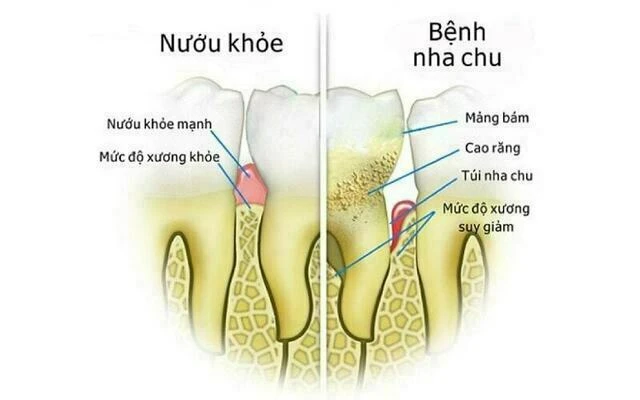
The core mandate of the periodontist is the prevention, diagnosis, and treatment of diseases affecting the periodontium—the complex of supporting structures that includes the gingiva (gums), alveolar bone, cementum, and periodontal ligament.6 Their primary objective is to establish and maintain a healthy biological foundation, which is an absolute prerequisite for any predictable restorative treatment.9 In the context of aesthetic rehabilitation, however, the periodontist's role extends far beyond the management of periodontal disease. They are specialists in the art and science of periodontal plastic and reconstructive surgery, actively sculpting the hard and soft tissues to create an ideal framework that will support and enhance the final prosthodontic restorations.11 The periodontist's contributions to aesthetic design are multifaceted and foundational. Their key procedures include:
- Gingival Contouring and Aesthetic Crown Lengthening: A harmonious smile is governed by principles of proportion and symmetry. Conditions such as excessive gingival display (a "gummy smile") or an uneven gingival line can make teeth appear short, square, or asymmetrical, detracting from the overall aesthetic.11 The periodontist addresses these issues through surgical procedures like gingivectomy (removal of gum tissue) and osseous recontouring (reshaping of the underlying bone). This process, known as aesthetic crown lengthening, precisely repositions the gingival margins to reveal more of the natural tooth structure, thereby establishing ideal tooth proportions and creating a balanced, symmetrical smile.12 In many cases, this is a required preliminary step before a prosthodontist can place veneers or crowns, as it provides the necessary space and proper "canvas" for the restorations.14
- Soft Tissue Grafting: Gingival recession, the migration of the gum line away from the crown of the tooth, exposes the root surface. This can be caused by periodontal disease, aggressive tooth brushing, or trauma, and it results in an aged appearance, tooth sensitivity, and an increased risk of root caries.11 The periodontist can perform various soft tissue grafting procedures, harvesting tissue from the patient's palate or using donor materials to cover the exposed roots. This not only restores the protective band of keratinized tissue but also significantly enhances the aesthetics of the smile by re-establishing a natural and healthy gum line.7
- Ridge Augmentation and Bone Grafting: Following tooth extraction, the alveolar bone that once supported the tooth naturally begins to resorb, leading to a collapse or concavity in the ridge. This deficiency can make it impossible to place a dental implant in the ideal restorative position or can lead to an unacceptably long and unaesthetic pontic (artificial tooth) in a bridge.11 The periodontist is an expert in hard tissue reconstruction. Using advanced bone grafting techniques, such as guided bone regeneration (GBR), they can rebuild the deficient alveolar ridge, restoring its natural contour and volume.9 This procedure is often critical for creating the necessary bone support for a dental implant, ensuring not only its long-term functional stability but also an aesthetic emergence profile where the final crown appears to grow naturally from the gum tissue.4
1.2 The Prosthodontist: Visionary of the Final Form
A prosthodontist is a dental specialist who has completed three additional years of advanced training beyond dental school, focusing on the aesthetic restoration and replacement of teeth to restore optimal oral function, comfort, and appearance.6 They are recognized as the leading experts in treating the most complex and comprehensive dental conditions, including full-mouth rehabilitation, traumatic injuries to the mouth, and congenital anomalies.22 Within the interdisciplinary team, the prosthodontist frequently serves as the "architect" or "quarterback" of the overall treatment plan.20 This leadership role is a direct consequence of the increasing complexity of modern aesthetic dentistry. A comprehensive rehabilitation requires the simultaneous management of numerous variables, including occlusion (the bite), vertical dimension of occlusion, tooth morphology, material science, and overall smile design—all of which are core competencies of prosthodontic training.26 While other specialists possess deep expertise in their respective fields, the prosthodontist's training provides the global vision necessary to synthesize these contributions into a single, cohesive, and predictable treatment strategy. They are responsible for conducting the comprehensive diagnosis, formulating the overarching vision for the final outcome, and meticulously sequencing and coordinating the procedures performed by the periodontist, orthodontist, and other specialists to achieve the patient's aesthetic and functional goals.20 Key aesthetic procedures and responsibilities of the prosthodontist include:
- Smile Design and Full-Mouth Rehabilitation: The prosthodontist is the master of smile design. Using a combination of clinical analysis, patient input, and advanced digital tools, they design comprehensive smile makeovers that address all aesthetic parameters, including tooth color, shape, size, alignment, and their relationship to the patient's lips and facial features.3 In cases of severe tooth wear, multiple missing teeth, or bite collapse, they orchestrate full-mouth rehabilitations, rebuilding the entire dentition to restore health, function, and beauty.27
- Fabrication and Delivery of High-Aesthetic Restorations: The prosthodontist's expertise culminates in the design, fabrication, and placement of custom dental prostheses. These include porcelain veneers, all-ceramic crowns, fixed bridges, and complex implant-supported restorations.6 Their advanced understanding of dental materials, color science, and dental laboratory procedures allows them to create restorations that are not only durable and functional but also virtually indistinguishable from natural teeth.21
1.3 Areas of Overlap and Complementary Expertise
While their roles are largely distinct, there are areas of procedural overlap, the most significant of which is the surgical placement of dental implants. Both periodontists and prosthodontists can receive training to place implants.6 This shared capability, however, perfectly illustrates their complementary expertise and the necessity of collaboration. The periodontist approaches implant surgery from a primarily biological and surgical perspective. Their expertise lies in managing the hard and soft tissues of the surgical site. They focus on ensuring that there is adequate bone volume and quality for osseointegration, augmenting the site with grafts if necessary, and manipulating the soft tissues to achieve optimal healing and long-term peri-implant health.9 The prosthodontist, in contrast, approaches implant surgery from a restorative-first perspective. Their primary concern is the final prosthesis. They determine the ideal three-dimensional position of the implant—the precise angulation, depth, and mesio-distal placement—that will allow for the fabrication of a final crown with ideal aesthetics, function, and cleansability. This philosophy, known as "prosthetically driven implant placement," dictates that the desired final outcome must guide the surgical plan from the very beginning.4 This dual perspective highlights the synergy of their collaboration. The prosthodontist defines where the implant must be for an ideal restorative result, and the periodontist ensures that the biological conditions at that specific site are optimized to support the implant for long-term health and stability. Neither perspective alone is sufficient for achieving the highest level of care in complex aesthetic cases. The following table synthesizes the distinct and complementary roles of each specialist in the context of aesthetic rehabilitation. Table 1: Comparative Analysis of Periodontist and Prosthodontist Roles in Aesthetic Dentistry
Feature/Domain Periodontist Role Prosthodontist Role Collaborative Goal Primary Focus Health, stability, and aesthetics of the supporting structures (gingiva, alveolar bone).7 Restoration and replacement of teeth to achieve optimal form, function, and aesthetics.6 To create a final restoration that is both biologically healthy and aesthetically pleasing, ensuring long-term stability and patient satisfaction. Diagnostic Tools Periodontal probing, radiographic bone level assessment, Cone-Beam Computed Tomography (CBCT) for site analysis. Occlusal analysis, aesthetic evaluation (e.g., Digital Smile Design), diagnostic wax-ups, analysis of tooth wear. A comprehensive diagnosis that integrates periodontal health status with the restorative and aesthetic needs of the patient, forming the basis of the treatment plan.9 Core Aesthetic Contribution Creating the ideal gingival framework (the "pink aesthetics"): sculpting gum lines, augmenting tissue volume. Creating the ideal dental composition (the "white aesthetics"): designing tooth shape, color, and position.32 A harmonious smile where the teeth and gums are in perfect proportion and balance with each other and the patient's facial features.2 Key Surgical Procedures Periodontal plastic surgery (e.g., crown lengthening, soft tissue grafting), bone grafting, implant placement. Tooth preparation for crowns/veneers, implant placement (often in less complex cases or as part of a team). A seamless integration of surgical and restorative procedures, where periodontal surgery creates the ideal foundation for the prosthodontist's restorations.8 Key Restorative Procedures Primarily focused on creating a healthy foundation for restorations. Fabrication and delivery of veneers, crowns, bridges, dentures, and implant-supported prostheses.7 The delivery of a final prosthesis that is not only beautiful but also designed to be in harmony with the supporting periodontal tissues, ensuring cleansability and health.33 Role in Interdisciplinary Team The foundational expert and surgeon, responsible for executing the biological aspects of the treatment plan. The treatment plan architect and restorative leader ("quarterback"), coordinating all specialists.20 A cohesive, well-communicated, and perfectly sequenced treatment plan that leverages the unique expertise of each specialist to achieve a predictable and superior outcome.29
Section 2: The Foundational Imperative: Periodontal Health as a Prerequisite for Prosthodontic Success
The relationship between periodontics and prosthodontics is not merely collaborative; it is fundamentally hierarchical. A healthy and stable periodontium is the non-negotiable foundation upon which all successful and long-lasting prosthodontic restorations are built. Any attempt to place aesthetic restorations in the presence of active periodontal disease or on an unstable foundation is destined for failure, leading to aesthetic compromise, functional impairment, and eventual loss of both the restoration and the supporting teeth.19 This relationship is best understood as a "two-way street": poor periodontal health will inevitably lead to prosthodontic failure, and conversely, poorly designed or executed prosthodontics can initiate or perpetuate periodontal disease.33 This cyclical, causal link forms the central argument for an integrated approach. The only way to break this cycle of failure is through a collaborative model where both periodontal health and prosthetic design are optimized simultaneously, not as separate and sequential problems.
2.1 Biologic Principles of the Perio-Prosthetic Interface
The interface between a dental restoration and the surrounding gingival tissues is a delicate and biologically sensitive zone. The design and placement of the restoration must respect specific biological principles to maintain periodontal health.
- The Concept of Supracrestal Tissue Attachment (Biologic Width): The most critical of these principles is the respect for the supracrestal tissue attachment, historically known as the "biologic width." This refers to the natural dimension of soft tissue that is attached to the tooth surface above the crest of the alveolar bone. It consists of the junctional epithelium and the supracrestal connective tissue fibers.33 When the margin of a restoration (such as a crown) is placed too deep below the gum line, it can physically invade this space. The body's response to this violation is predictable: it attempts to re-establish the necessary space for the attachment by triggering a chronic inflammatory response. This inflammation leads to the apical migration of the attachment, resulting in clinical signs of gingival recession and, more destructively, the resorption of the underlying alveolar bone.33 This process not only compromises the health of the periodontium but also undermines the very foundation supporting the restoration, leading to aesthetic failure (e.g., exposed crown margins) and potential tooth loss.
- Impact of Restoration Margins on Periodontal Health: The location of the restoration margin has a profound effect on periodontal health. While subgingival margins are sometimes required to hide the junction between the restoration and the tooth for aesthetic reasons, a significant body of evidence demonstrates that they are less favorable from a periodontal perspective. Compared to supragingival margins (margins placed at or above the gum line), subgingival margins are consistently associated with greater plaque accumulation, more pronounced signs of gingival inflammation (bleeding on probing), and deeper periodontal pocket depths.35 This is because they create an environment that is difficult for the patient to clean and can harbor pathogenic bacteria. Therefore, the decision to place a subgingival margin requires careful consideration and often necessitates collaboration. The prosthodontist must communicate the aesthetic need for a subgingival margin to the periodontist, who may then need to perform a clinical crown lengthening procedure. This surgery apically repositions the bone and gum tissue, allowing the margin to be placed on sound tooth structure without violating the supracrestal tissue attachment.33
- Prosthesis Contour and Embrasure Design: The shape of the restoration itself is also critical. Over-contoured restorations that are too bulky or have improper emergence profiles can impinge on the gingival tissues and create plaque-retentive areas, leading to inflammation.35 Furthermore, fixed prostheses like bridges must be designed with adequate embrasure spaces—the small V-shaped spaces between adjacent teeth—to allow for the passage of interdental cleaning aids like floss or proxy brushes. An improperly designed prosthesis with closed or inadequate embrasures makes effective oral hygiene impossible, leading to plaque accumulation and subsequent periodontal disease.36 The prosthodontist is responsible for designing these features, and this design must be based on a thorough understanding of the patient's periodontal status and ability to perform oral hygiene.
2.2 Pre-Prosthetic Periodontal Therapy: Creating a Stable Foundation
Given the critical importance of a healthy periodontium, it is an absolute clinical imperative that active periodontal disease is eliminated and the tissues are stabilized before any definitive restorative dentistry is initiated.19 Placing expensive and complex restorations in an environment of active inflammation is clinically unsound for several reasons: 1. Tissue Instability: Inflamed gingival tissues are swollen and edematous. Following successful periodontal therapy, this inflammation resolves, and the tissues undergo a process of healing and shrinkage. If a crown margin is placed relative to inflamed tissue, it will become exposed and unsightly after the tissue heals and recedes, resulting in an immediate aesthetic failure.36 2. Unpredictable Tooth Positioning: Periodontal disease can cause pathological tooth migration (drifting or flaring of teeth). The resolution of inflammation following therapy can allow teeth to shift again, sometimes back toward their original position. Restorations fabricated before this stabilization occurs may no longer fit correctly or may place injurious forces on the healing periodontium.36 3. Compromised Abutment Support: A tooth with active periodontal disease has a compromised support system. It is not a suitable abutment to bear the additional forces of a fixed or removable prosthesis. The disease must be controlled to ensure the abutment tooth is stable enough to support the restoration long-term.36 The process of creating this stable foundation is known as pre-prosthetic periodontal therapy and typically involves two stages:
- Phase I (Non-Surgical) Therapy: This is the cornerstone of periodontal treatment for every patient. It consists of meticulous scaling and root planing (SC/RP) to remove bacterial plaque and calculus from the tooth surfaces, both above and below the gum line.40 This mechanical debridement disrupts the pathogenic biofilm and creates a root surface that is biologically compatible with healing. Equally important is comprehensive patient education in effective daily oral hygiene techniques. This phase also includes the correction or removal of any existing plaque-retentive factors, such as overhanging fillings or poorly fitting crowns.40 The patient's response to Phase I therapy must be thoroughly evaluated after a period of healing before any further treatment is planned.
- Phase II (Surgical) Therapy: For patients with more advanced disease, non-surgical therapy alone may not be sufficient to eliminate deep periodontal pockets or correct bony defects. In these cases, surgical intervention by the periodontist may be necessary. Periodontal surgery provides access to thoroughly debride deep root surfaces and allows the surgeon to reshape the bone and soft tissues to create a periodontal architecture that is free of disease and maintainable for the patient long-term.19 Only after the successful completion of this phase and subsequent healing can the patient be considered ready for definitive prosthodontic treatment.
2.3 Long-Term Stability: The Role of Supportive Periodontal Therapy (SPT)
The collaboration between the periodontist and prosthodontist does not conclude upon the delivery of the final prosthesis. For patients with a history of periodontal disease, particularly those who have received complex perio-prosthetic rehabilitation, long-term success is critically dependent on their lifelong enrollment in a rigorous Supportive Periodontal Therapy (SPT) program, also known as the maintenance phase.41 Periodontal disease is a chronic condition, and without regular professional maintenance, there is a high risk of disease recurrence, which would ultimately lead to the failure of the complex restorations. The efficacy of this approach is well-supported by long-term clinical data. A landmark 20-year follow-up study on patients who received comprehensive perio-prosthetic treatment found that the outcomes were highly successful, but only in patients who were compliant with their prescribed SPT schedule.43 The study identified factors such as higher full-mouth plaque scores and bleeding scores as being significantly associated with the failure of abutment teeth. This powerfully underscores that the most beautifully designed and expertly placed prosthesis will ultimately fail if the underlying periodontal health is not meticulously maintained over time. This maintenance phase is a shared responsibility, requiring the patient to alternate visits between the periodontist for periodontal monitoring and debridement and the prosthodontist for evaluation of the integrity of the prostheses and the stability of the occlusion. This ongoing, co-managed care is the final, essential component in ensuring the longevity of the aesthetic rehabilitation. A critical, yet often challenging, decision point that exemplifies the need for deep collaboration is determining the prognosis of a periodontally compromised tooth. The decision to retain such a tooth to serve as a prosthetic abutment versus extracting it and replacing it with a dental implant is a complex risk-benefit analysis that requires the integration of two different specialist perspectives. The periodontist evaluates the tooth based on biological parameters: the amount of remaining bone support, the presence and severity of furcation involvement, tooth mobility, and the patient's ability to maintain hygiene around it.43 The prosthodontist, on the other hand, evaluates the same tooth from a biomechanical and strategic standpoint: its importance to the overall restorative plan, its restorability, its position in the arch, and its role in the occlusal scheme.20 These two perspectives can sometimes be in conflict. A tooth that is periodontally "questionable" might be prosthodontically critical for supporting a long-span bridge, avoiding a removable partial denture. Conversely, a tooth that is periodontally salvageable might be in a poor restorative position, making an implant a more predictable option. The final decision—whether to undertake advanced periodontal procedures like root resection to save a molar abutment 43 or to opt for extraction and implant placement—requires a joint assessment of all biological and restorative risks and goals.32 This collaborative decision-making process is a microcosm of the entire interdisciplinary challenge: it involves balancing biological realities with restorative ideals to arrive at the most predictable and patient-appropriate outcome.
Section 3: The Interdisciplinary Workflow: A Phased Approach to Treatment
To successfully manage complex aesthetic rehabilitation cases, the collaborative efforts of the periodontist and prosthodontist must be structured within a logical and sequential framework. A phased treatment approach ensures that foundational issues are addressed before advanced procedures are undertaken, thereby maximizing predictability and minimizing complications. This systematic workflow is not a rigid protocol but a dynamic process with built-in checkpoints for re-evaluation and course correction, ensuring that the treatment adapts to the patient's biological response. Each phase has specific objectives and clearly defined roles for each specialist, all orchestrated to progress toward the final, mutually agreed-upon aesthetic and functional outcome.
3.1 Phase I: Diagnosis, Risk Assessment, and Disease Control
This initial phase is the most critical for the entire treatment journey, as it lays the groundwork for all subsequent procedures. The primary objectives are to gather comprehensive data, establish a unified diagnosis and treatment plan, and stabilize the oral environment by controlling active disease.
- Comprehensive Data Collection: The process begins with a meticulous and thorough diagnostic workup. This is a joint effort that involves collecting a complete medical and dental history, performing a detailed clinical examination of both the hard and soft tissues, conducting a comprehensive periodontal charting (including probing depths, bleeding on probing, and attachment levels), and obtaining high-quality radiographic images.31 For complex cases, especially those involving implants, Cone-Beam Computed Tomography (CBCT) is often employed to provide a three-dimensional view of the bone and vital structures.19 Highly accurate diagnostic casts are also fabricated from impressions of the patient's teeth.17
- Unified Treatment Planning: With all the diagnostic data assembled, the periodontist and prosthodontist convene for a joint treatment planning session. This is the heart of the interdisciplinary process.31 The prosthodontist, typically acting as the team leader, will often initiate this process by defining the aesthetic and functional goals. This is increasingly accomplished using advanced digital tools. Digital Smile Design (DSD) software, for example, allows the prosthodontist to use facial and intraoral photographs to create a digital mock-up of the proposed new smile.3 This virtual simulation serves as a powerful communication tool and a definitive blueprint for treatment. It allows the clinical team to visualize the final outcome and work backward to determine the necessary steps to achieve it. It also provides the patient with a preview of the potential results, enhancing their understanding and acceptance of the proposed treatment.47 Based on this aesthetic goal, the team collaboratively establishes a definitive diagnosis, determines the prognosis for each tooth, and formulates a precise, step-by-step sequence for the entire treatment plan.
- Disease Control: Before any irreversible procedures can begin, the oral environment must be stabilized. This involves the execution of Phase I periodontal therapy, as described in the previous section. The periodontist, or a skilled hygienist under their supervision, performs scaling and root planing, provides oral hygiene instruction, and addresses any local irritants.40 The primary goal of this phase is to eliminate inflammation and create a healthy, stable periodontal foundation. The patient's response to this initial therapy is then critically re-evaluated before proceeding to the next phase. This re-evaluation is a crucial control mechanism. If inflammation persists, it indicates that the initial plan may need to be modified; for instance, a case initially planned for non-surgical treatment may now require surgical intervention. This iterative process of "treat, evaluate, and re-plan" is fundamental to managing the biological variability inherent in patient care and prevents the team from proceeding down a potentially flawed path.
3.2 Phase II: The Surgical and Preparatory Phase
Once the periodontium has been stabilized, the treatment moves into the surgical and preparatory phase. The objective here is to execute the necessary surgical procedures to create the ideal hard and soft tissue architecture as dictated by the prosthodontic plan.
- Coordinated Surgical Execution: This phase is typically led by the periodontist, but their actions are precisely guided by the prosthodontist's restorative plan. For example, if dental implants are part of the plan, the prosthodontist will fabricate a surgical guide based on the digital design or wax-up.5 This guide is a template that fits over the patient's existing teeth or gums and has channels that direct the surgeon's drills, ensuring the implant is placed in the exact three-dimensional position required for the ideal final crown.4 Similarly, if aesthetic crown lengthening is required, the prosthodontist will communicate the desired final gingival levels to the periodontist, who will then perform the surgery to achieve those specific contours.9
- The Critical Role of Provisional Restorations: A key element that bridges the surgical and restorative phases is the provisional (or temporary) restoration. Fabricated by the prosthodontist, these are far more than simple placeholders. They are active therapeutic devices with several critical functions.50 They maintain the patient's aesthetics and function during the often lengthy healing periods. More importantly, they play a crucial role in guiding the healing of the soft tissues. A well-designed provisional restoration can be used to sculpt the gingiva around an implant or a pontic site, creating the ideal emergence profile and scalloped architecture that mimics nature.5 The provisional thus becomes the physical manifestation of the interdisciplinary plan, allowing the prosthodontist's design to directly influence the biological outcome of the periodontist's surgery. It also serves as a diagnostic "test drive," allowing the patient and the clinical team to evaluate the planned aesthetics, phonetics, and function before committing to the final, permanent restorations.
3.3 Phase III: The Definitive Restorative Phase
Following an adequate healing period (which can range from several weeks for soft tissue procedures to several months for bone grafting and implant integration), and after a thorough re-evaluation confirms the health and stability of the periodontal tissues, the patient transitions into the final restorative phase.
- Transition of Care: While communication continues, the primary responsibility of care now shifts to the prosthodontist.40
- Final Prosthesis Fabrication and Delivery: The prosthodontist takes highly accurate final impressions of the healed tissues and any prepared teeth. These impressions, along with detailed instructions regarding shade, shape, and contour, are sent to a master dental laboratory technician for the fabrication of the definitive restorations (e.g., veneers, crowns, implant-supported bridges).17 The design of these final prostheses must meticulously respect the biological principles of margin placement and contour to ensure long-term periodontal health. Upon their return from the lab, the restorations are tried in, evaluated for fit and aesthetics, and then permanently cemented or screwed into place.
- Occlusal Harmonization: A final, critical step is the meticulous adjustment of the patient's bite (occlusion). The prosthodontist ensures that the forces of chewing are evenly distributed across the new restorations and the entire dentition. This is especially critical for patients with a history of periodontal disease, as their compromised support systems are less able to tolerate excessive or misdirected forces. A stable and harmonious occlusion is essential for the long-term comfort, function, and stability of the entire rehabilitation.4
3.4 Phase IV: The Maintenance Phase
The final phase of treatment is a lifelong commitment to maintenance, designed to protect the significant investment of time, effort, and finances and to prevent disease recurrence.
- A Shared Responsibility: This phase is managed jointly by the periodontist, the prosthodontist, and the patient.40 The patient is placed on a customized recall schedule, typically alternating appointments between the two specialist offices every 3-6 months.
- Co-Managed Care: During the maintenance appointments, the periodontist or their hygienist will perform supportive periodontal therapy, monitoring for any signs of recurrent inflammation and meticulously cleaning the teeth and restorations.41 The prosthodontist will periodically evaluate the integrity of the restorations, check for any signs of wear or fracture, and verify the stability of the occlusion. This collaborative, long-term follow-up is essential for early detection of any potential problems and is the ultimate key to ensuring the lasting success of the aesthetic rehabilitation.
The following table provides a clear, chronological roadmap of this complex treatment journey, delineating the roles and objectives at each stage. Table 2: The Phased Interdisciplinary Treatment Protocol
Treatment Phase Primary Objectives Key Periodontal Procedures Key Prosthodontic Procedures Lead/Collaborating Specialist Phase I (Diagnosis & Disease Control) Establish a stable and healthy periodontal foundation; develop a unified, goal-oriented treatment plan.40 Scaling and Root Planing (SC/RP), Oral Hygiene Instruction (OHI), comprehensive periodontal evaluation. Comprehensive aesthetic and functional diagnosis, Digital Smile Design (DSD), diagnostic wax-up, correction of existing plaque-retentive restorations.3 Joint planning session is critical. Then, the Periodontist leads the disease control component, with input from the Prosthodontist on restorative factors. Phase II (Surgical & Preparatory) Create the ideal hard and soft tissue architecture to support the planned prosthesis; manage the healing phase.40 Aesthetic crown lengthening, soft tissue grafting, bone grafting/ridge augmentation, surgical implant placement.9 Fabrication of surgical guides to direct implant placement, fabrication and management of provisional restorations to guide tissue healing and test aesthetics/function.5 The Periodontist leads the surgical execution, but the procedures are meticulously guided by the Prosthodontist's restorative plan and provisionalization. Phase III (Definitive Restorative) Deliver the final aesthetic and functional prostheses that are in harmony with the healthy, stable tissues.40 Re-evaluation of tissue health and stability prior to final impressions; monitoring of tissue response post-delivery. Final tooth preparations, final impressions, fabrication and delivery of definitive restorations (veneers, crowns, bridges), meticulous occlusal adjustment and harmonization.17 The Prosthodontist leads this phase, ensuring the final restorations respect the biological foundation created in the previous phases. Phase IV (Maintenance) Ensure long-term stability of both the periodontal health and the prostheses; prevent disease recurrence.41 Supportive Periodontal Therapy (SPT) on a 3-6 month interval, ongoing monitoring of periodontal parameters. Periodic evaluation of the integrity of the prostheses, assessment of occlusal stability, and management of any mechanical complications. A shared, lifelong responsibility. The patient alternates visits between the Periodontist and the Prosthodontist according to a customized recall schedule.
Section 4: Clinical Applications of the Interdisciplinary Approach
The principles of perio-prostho collaboration are most clearly demonstrated in their application to specific, complex clinical challenges. In these scenarios, an integrated approach is not merely beneficial but absolutely essential for achieving a successful, stable, and aesthetic outcome. The underlying principle that connects all these diverse clinical situations is that the final aesthetic result is a direct and inescapable consequence of the quality of the underlying biological foundation. As the biological compromise of the patient increases—from simple gingival asymmetry to full-mouth periodontal breakdown—the necessity and depth of the interdisciplinary collaboration increase proportionally. The collaboration is therefore not an optional add-on but a fundamental requirement dictated by the patient's clinical condition.
4.1 The Gold Standard: Prosthetically Driven Implant Therapy
The replacement of missing teeth with dental implants, particularly in the aesthetic zone (the front of the mouth), represents a pinnacle of interdisciplinary care. The modern gold standard for this procedure is a philosophy known as "prosthetically driven implant placement".4 This approach is fundamentally a risk mitigation strategy. Historically, implants were often placed where bone was most abundant, and the restorative dentist was then tasked with the challenge of creating a crown on a potentially compromised implant position. This reactive approach often led to aesthetic failures, such as crowns that were too long, poorly angled, or had unnatural-looking gum contours. The prosthetically driven philosophy reverses this logic. By beginning with the end in mind, the clinical team can proactively identify and address potential biological and mechanical failures before they occur. The workflow is systematic and prosthodontically led: 1. Prosthodontic Planning: The process begins with the prosthodontist designing the ideal final restoration. This is done either through a traditional wax-up on a stone model or, more commonly today, using digital design software. This design determines the perfect size, shape, and position of the future tooth relative to the adjacent teeth and the patient's smile line.5 2. Surgical Guide Fabrication: Based on this ideal prosthetic plan, a surgical guide is fabricated. This template precisely dictates the location, angulation, and depth for the implant placement.4 3. Periodontal Site Preparation: The prosthodontic plan may reveal that the ideal implant position lacks sufficient bone or soft tissue. This is where the periodontist's expertise becomes critical. They perform the necessary site development procedures, such as bone grafting to increase the width or height of the ridge, or soft tissue grafting to improve the quality and quantity of the overlying gingiva.9 The periodontist's role is to solve the specific biological problems identified by the prosthodontic plan. 4. Guided Implant Placement: The periodontist or oral surgeon then places the implant, with their instruments being guided by the surgical template to ensure it lands in the pre-planned, prosthetically ideal position.9 5. Provisionalization and Tissue Sculpting: Immediately after placement or following an initial healing period, the prosthodontist often places a provisional (temporary) crown. This provisional is meticulously shaped to guide the healing of the surrounding gingiva, sculpting it to form a natural and aesthetic emergence profile for the final crown.5 6. Final Restoration: After the implant has fully integrated with the bone (osseointegration), the prosthodontist removes the provisional and delivers the final, permanent crown.9 The clinical evidence supporting this approach is compelling. A prospective study evaluating implant success found that ideal three-dimensional implant positioning was a critical factor, yielding a 98.4% success rate, which was significantly higher than the 87.5% success rate observed for implants placed in a slightly off-axis position.4 This quantitative data provides strong validation for the prosthetically driven philosophy, transforming the process from one of chance to one of precise, predictable design.
4.2 Management of Excessive Gingival Display ("Gummy Smile") and Asymmetrical Margins
A harmonious smile is defined not just by the teeth ("white aesthetics") but also by the health and architecture of the surrounding gums ("pink aesthetics").32 A significant aesthetic concern for many patients is excessive gingival display, or a "gummy smile," where an imbalanced proportion of gum tissue is visible when they smile. This can be caused by a variety of factors, including altered passive eruption (where the gums fail to recede to their proper level after tooth eruption), vertical maxillary excess (an overgrowth of the upper jaw), or short upper lip.11 Similarly, uneven or asymmetrical gingival margins can disrupt the balance and symmetry of a smile.52 Treating these conditions is a classic example of the perio-prostho partnership and must be performed in a specific, non-negotiable sequence for a predictable and stable result: 1. Prosthodontic Diagnosis and Planning: The prosthodontist first determines the ideal final proportions of the teeth. They will design the case, often planning for restorations like porcelain veneers or crowns, to establish the desired tooth length and shape. Crucially, they also diagnose the underlying cause of the gingival discrepancy.51 2. Periodontal Surgical Correction: Based on the prosthodontist's plan, the periodontist performs an aesthetic crown lengthening procedure. This is a delicate surgery that involves removing the excess gingival tissue and, in most cases, re-contouring the underlying bone to move the entire biological attachment apparatus to a more apical (higher) position.12 This surgery effectively lengthens the clinical crowns of the teeth, establishing the correct proportions as dictated by the prosthodontic design.16 3. Healing and Final Restorations: A critical healing period of at least 3 to 6 months is required to allow the gingival tissues to mature and stabilize in their new position. Attempting to place final restorations before this maturation is complete will lead to unpredictable gingival margin levels. After healing, the patient returns to the prosthodontist, who then prepares the teeth and places the final veneers or crowns onto the now correctly proportioned and beautifully framed teeth.16
4.3 Full-Mouth Rehabilitation of the Periodontally Compromised Patient
Patients with a history of advanced, generalized periodontal disease who also present with severe tooth wear, multiple missing teeth, and a collapsed bite represent one of the most significant challenges in dentistry.26 The successful rehabilitation of such cases is impossible without a deeply integrated, long-term interdisciplinary approach. The treatment must be meticulously staged: 1. Systemic Disease Control: The absolute first priority is to gain control of the active periodontal disease. The periodontist will lead an intensive course of Phase I (non-surgical) therapy and, if necessary, Phase II (surgical) therapy to eliminate infection, reduce pocketing, and stabilize the remaining dentition.19 Any teeth with a hopeless prognosis are extracted during this phase.17 No restorative work can be contemplated until a healthy and stable periodontal foundation is achieved. 2. Prosthodontic Foundation and Occlusal Management: Once the periodontium is stable, the prosthodontist takes the lead. Their primary task is to re-establish a stable and functional occlusion, often at an increased vertical dimension to restore the space lost to tooth wear. This is typically accomplished through the use of a full-mouth provisional restoration. This provisional serves as a blueprint for the final rehabilitation, allowing the team to test and refine the new bite, aesthetics, and phonetics over several months.20 3. Phased Reconstruction: The final reconstruction is almost never completed in a single step. It is a phased process, often proceeding quadrant by quadrant or arch by arch. This involves a continuous interplay between the specialists. The periodontist may be called upon to perform site development for implants to replace missing teeth or to perform periodontal plastic surgery around key abutment teeth. The prosthodontist then follows by placing the final crowns and bridges in the meticulously planned sequence.45 4. Lifelong Co-Managed Maintenance: As with any periodontally susceptible patient, lifelong enrollment in a co-managed SPT program is the most critical factor in ensuring the long-term success of the rehabilitation.43
4.4 Advanced Considerations: Pontic Design and Abutment Selection
Even in seemingly more straightforward cases like a single fixed bridge, interdisciplinary considerations are paramount for periodontal health.
- Pontic Design: The design of the pontic (the artificial tooth that replaces the missing one) is critical. The undersurface of the pontic that contacts the gum tissue must be meticulously designed to be smooth, convex, and highly polished. This design, known as a sanitary or ovate pontic, prevents plaque accumulation and allows the patient to effectively clean the area.36 A poorly designed, concave pontic will become a haven for bacteria, leading to chronic tissue inflammation under the bridge. The prosthodontist must specify this design for the dental laboratory, and the periodontist may need to surgically prepare the ridge site to create an ideal soft tissue bed for the pontic to rest in.37
- Abutment Selection: In a periodontally compromised patient, the choice of which teeth will serve as abutments (the anchor teeth) for a bridge is a critical joint decision. The periodontist assesses the periodontal support of the potential abutments, paying close attention to factors like bone loss, crown-to-root ratio, and furcation involvement (bone loss between the roots of a molar). The prosthodontist assesses their strategic value and restorability. In some cases, a fixed bridge can be used to splint (join together) mobile but periodontally treatable teeth, distributing the forces among them and improving their overall prognosis.36 This decision requires a careful weighing of the risks and benefits by both specialists.
Section 5: Challenges and Future Directions in Perio-Prostho Collaboration
While the benefits of an integrated perio-prostho approach are undeniable, its successful implementation in clinical practice is not without challenges. Effective collaboration requires overcoming logistical and philosophical barriers. Simultaneously, rapid advancements in digital technology and biomaterials are not only helping to mitigate these challenges but are also paving the way for a more precise, predictable, and holistic future for aesthetic rehabilitation. The ultimate trajectory of this interdisciplinary field is toward a more biomimetic model, moving beyond simply replacing anatomical parts to recreating a harmonious biological and functional system that is seamlessly integrated with the patient's entire facial complex.
5.1 Overcoming Communication and Logistical Barriers
The cornerstone of any successful interdisciplinary treatment is effective, frequent, and crystal-clear communication between all members of the clinical team.34 A breakdown in communication or a lack of coordination can lead to sequencing errors, compromised clinical outcomes, and patient dissatisfaction.29
- Practical Challenges: In a traditional dental model, specialists often work in separate physical locations, which can create significant logistical hurdles. The transfer of physical records, diagnostic casts, and radiographic images can be slow and cumbersome. Furthermore, specialists may have differing treatment philosophies or preferences, which can lead to friction if not addressed through open dialogue. The prosthodontist, in their role as the team leader or "quarterback," bears much of the responsibility for bridging these gaps, ensuring that all team members are aligned with a single, unified treatment plan and that information flows freely among them.35
- Establishing Shared Objectives: A key challenge is ensuring that all parties—the periodontist, the prosthodontist, the dental laboratory technician, and the patient—share a common understanding of the treatment goals and their respective responsibilities. A prime example is the joint objective of establishing and maintaining an exceptional standard of oral hygiene. This is not solely the patient's responsibility; it is a clinical outcome that must be designed into the treatment. The periodontist creates a maintainable periodontal architecture, and the prosthodontist designs restorations that are cleansable. This shared responsibility for creating an oral environment conducive to hygiene is critical for long-term success.37
5.2 The Impact of Digital Dentistry
Digital technology is acting as a powerful catalyst, fundamentally rewiring the process of interdisciplinary collaboration and directly addressing many of its historical challenges. It is not merely a new set of tools but a transformative force that enhances communication, precision, and patient engagement.
- Enhanced Communication and Planning: The advent of digital workflows has largely solved the core problem of communication across different locations. Intraoral scanners create highly accurate, three-dimensional digital models of the patient's dentition, eliminating the need for physical impressions and stone casts. When combined with CBCT imaging and DSD software, a complete "digital patient" can be created.46 This comprehensive digital file can be shared instantly and securely between the prosthodontist, periodontist, and dental laboratory. This allows for real-time, collaborative treatment planning where, for example, the prosthodontist can digitally superimpose their proposed crown design onto the periodontist's CBCT scan to verify ideal implant positioning. This instantaneous, visual, and three-dimensional communication eliminates the ambiguity and imprecision of traditional methods, making high-level interdisciplinary collaboration more accessible and the standard of care.29
- Unprecedented Precision and Predictability: The digital plan can be seamlessly translated into the clinical reality. Based on the final digital design, highly accurate surgical guides can be 3D printed. These guides, as previously discussed, ensure that the periodontist places the dental implant in the exact position and angulation dictated by the prosthodontic plan, dramatically increasing the predictability of the surgical outcome and reducing the risk of error.4
- Improved Patient Engagement and Education: Digital Smile Design provides patients with a powerful visual of their potential new smile before treatment even begins. This helps manage their expectations, increases their understanding of the proposed treatment, and improves their motivation and acceptance of the comprehensive plan.3 When patients can see the final goal, they are more likely to commit to the necessary intermediate steps, such as periodontal therapy or orthodontics.
5.3 Evolving Materials and Techniques
Concurrent with the digital revolution, ongoing advances in dental materials and clinical techniques continue to expand the possibilities for aesthetic rehabilitation.
- Advanced Biomaterials: The field of periodontics has seen significant progress in biomaterials for tissue regeneration. More predictable and effective bone grafting materials, barrier membranes, and biologic growth factors are enabling periodontists to successfully regenerate lost bone and soft tissue in situations that were previously considered untreatable.19 This expands the pool of patients who are candidates for ideal, implant-based rehabilitations.
- High-Performance Prosthetic Materials: Prosthodontics has benefited from the development of new high-strength, highly aesthetic ceramic materials, most notably zirconia and lithium disilicate. These materials allow prosthodontists to create restorations that are not only exceptionally strong and durable but also possess optical properties that closely mimic natural tooth enamel.19 The choice of material is also a collaborative decision, as different materials have different surface properties and may interact with the surrounding gingival tissues in different ways.35
- Minimally Invasive Philosophies: The integration of disciplines often facilitates more conservative treatment approaches. For example, minor orthodontic tooth movement can be used to improve the position of teeth prior to restoration, allowing the prosthodontist to perform more conservative tooth preparations and preserve more natural tooth structure.60 This commitment to minimally invasive dentistry is a hallmark of a modern, patient-centered interdisciplinary approach.
Conclusion
The successful aesthetic rehabilitation of complex dental cases represents a sophisticated interplay of art and science, biology and biomechanics. The evidence overwhelmingly demonstrates that predictable, stable, and aesthetically superior outcomes are not the product of any single discipline but are born from the synergistic collaboration between the periodontist and the prosthodontist. The periodontist, as the architect of the foundation, is tasked with establishing a state of absolute periodontal health and sculpting the ideal hard and soft tissue framework. The prosthodontist, as the visionary of the final form, designs and executes the definitive restorations that fulfill the patient's functional and aesthetic desires. This interdisciplinary relationship is governed by an immutable hierarchy: the health of the periodontium is the absolute prerequisite for the longevity of the prosthesis. A phased and systematic treatment workflow, characterized by joint diagnosis, prosthetically driven planning, coordinated execution, and shared long-term maintenance, is essential to navigate the complexities of comprehensive care. This collaborative model transforms treatment from a series of disconnected procedures into a cohesive, goal-oriented journey. While logistical and communication challenges have historically presented barriers, the rapid integration of digital dentistry is revolutionizing this collaborative process, enabling seamless communication, unprecedented precision, and more predictable outcomes. As materials and techniques continue to evolve, the future of aesthetic dentistry points toward an even more integrated, holistic, and biomimetic model of care. For clinicians dedicated to achieving the highest standards of patient care, mastering the principles of the perio-prostho partnership is no longer an elective pursuit but an essential component of modern clinical practice. Nguồn trích dẫn 1. A multidisciplinary approach to esthetic dentistry – PubMed, truy cập vào tháng 10 25, 2025, https://pubmed.ncbi.nlm.nih.gov/17532924/ 2. Interdisciplinary concepts in esthetic dentistry – PMC, truy cập vào tháng 10 25, 2025, https://pmc.ncbi.nlm.nih.gov/articles/PMC11232764/ 3. Facially Driven Smile Design – Galleria Perio & Implants, truy cập vào tháng 10 25, 2025, https://www.galleriaperio.com/specialty/facially-driven-smile-design/ 4. Prostho – Perio application of implants: An interdisciplinary approach …, truy cập vào tháng 10 25, 2025, https://pmc.ncbi.nlm.nih.gov/articles/PMC12357659/ 5. The Interdisciplinary Treatment Plan in Implant Dentistry ‒ What the Surgeon Needs to Know from the Prosthodontist – Congress Lectures – ITI Academy, truy cập vào tháng 10 25, 2025, https://academy.iti.org/academy/theory-and-principles/congress-lecture/-/lecture/the-interdisciplinary-treatment-plan-in-implant-dentistry-what-the-surgeon-needs-to-know-from-the-prosthodontist/9701 6. What is the Difference Between Periodontics and Prosthodontics? | Dr. Xixi Wu, truy cập vào tháng 10 25, 2025, https://www.northtexasperioimplants.com/p/BLOG-99876-2022.12.19-What-is-the-Difference-Between-Periodontics-and-Prosthodontics-p.asp 7. Difference Between a Periodontist and a … – PerioPartners, truy cập vào tháng 10 25, 2025, https://www.periopartners.com/difference-between-a-periodontist-and-a-prosthodontist/ 8. What is the difference between periodontics and prosthodontics? – Portchester Dental Care, truy cập vào tháng 10 25, 2025, https://portchesterdental.co.uk/difference-periodontics-and-prosthodontics/ 9. Prosthodontist & Periodontist: Roles in Dental Implant Success – PermaDent, truy cập vào tháng 10 25, 2025, https://permadent.com/patient-education/prosthodontist-periodontist-dental-implants/ 10. The Periodontist vs Prosthodontist Guide: Differences and Services – Utah Periodontal Specialists, truy cập vào tháng 10 25, 2025, https://www.utahperio.com/blog/periodontist-vs-prosthodontist-guide/ 11. The Role of a Periodontist in Our Nashua Cosmetic Dental Practice …, truy cập vào tháng 10 25, 2025, https://nashuadentalgroup.com/the-role-of-a-periodontist-in-our-nashua-cosmetic-dental-practice/ 12. Achieving a Beautiful Smile With Periodontal Cosmetic Procedures – Perio Implant, truy cập vào tháng 10 25, 2025, https://www.perioimplanthealthpro.com/blog/achieving-a-beautiful-smile-with-periodontal-cosmetic-procedures 13. Restorative Mastery: The Role of Periodontal Specialists in Smile Enhancement, truy cập vào tháng 10 25, 2025, https://periospecs.com/the-role-of-periodontal-specialists-in-smile-enhancement/ 14. Gummy Smile Correction Mayfield Heights | Cosmetic Perio | Gum Contouring – Ross Periodontics, truy cập vào tháng 10 25, 2025, https://www.rossperiodontics.com/gummy-smile-correction.html 15. 5 Reasons to See a Periodontist for Your Aesthetic Smile Concerns, truy cập vào tháng 10 25, 2025, https://www.precisionperio.com/gum-treatment/5-reasons-to-see-a-periodontist-for-your-aesthetic-smile-concerns/ 16. Interdisciplinary approach for complex esthetic periodontal or …, truy cập vào tháng 10 25, 2025, https://www.ijcmph.com/index.php/ijcmph/article/view/9685 17. Recreation of Aesthetic Smile by Restoring Form, Function and …, truy cập vào tháng 10 25, 2025, https://journalgrid.com/view/article/rjds/12433991 18. My Gum Line Is Uneven…What Can I Do?, truy cập vào tháng 10 25, 2025, https://www.bunkerhilldentistry.com/2024/12/03/options-to-treat-an-uneven-gum-line/ 19. management of patients with periodontal disease requiring …, truy cập vào tháng 10 25, 2025, https://journal.adre.ro/wp-content/uploads/2025/03/MANAGEMENT-OF-PATIENTS-WITH-PERIODONTAL-DISEASE-REQUIRING-PROSTHODONTIC-TREATMENT-BY-DENTAL-BRIDGES.pdf 20. What is a Prosthodontist? – Dental Design Specialists, truy cập vào tháng 10 25, 2025, https://dallasddspecialists.com/what-is-a-prosthodontist/ 21. Why See a Prosthodontist? Plymouth MI – Michigan Prosthetic Dentistry, truy cập vào tháng 10 25, 2025, https://www.michiganprostheticdentistry.com/patient-information/why-see-a-prosthodontist/ 22. What Is the Difference Between Periodontics and Prosthodontics? | Dr. Xixi Wu, truy cập vào tháng 10 25, 2025, https://northtexasperioimplants.com/p/BLOG-96808-2022.8.8-What-Is-the-Difference-Between-Periodontics-and-Prosthodontics-p.asp 23. Prosthodontist vs. Cosmetic Dentist – Penn Dental Medicine, truy cập vào tháng 10 25, 2025, https://penndentalmedicine.org/blog/prosthodontist-vs-cosmetic-dentist/ 24. Prosthodontist vs. Periodontist: What's the Difference? – Bristol Dental Clinic, truy cập vào tháng 10 25, 2025, https://www.bristoldental.ca/blog/prosthodontist-vs-periodontist-whats-the-difference/ 25. A Prosthodontist, Periodontist, and Endodontist Walk Into a Dental Office, truy cập vào tháng 10 25, 2025, https://www.northandoverdentalpartners.com/blog/a-prosthodontist-periodontist-and-endodontist-walk-into-a-dental-office/ 26. What You Need To Know About Prosthodontics In Full Mouth Rehabilitation, truy cập vào tháng 10 25, 2025, https://www.drpeterhazim.com/what-you-need-know-about-prosthodontics-full-mouth-rehabilitation/ 27. The Role of Prosthodontics in Comprehensive Oral Health – Meadows Dental Associates, truy cập vào tháng 10 25, 2025, https://www.meadowsdentalassociates.com/the-role-of-prosthodontics-in-comprehensive-oral-health/ 28. Full Mouth Reconstruction | American College of Prosthodontists – GoToAPro, truy cập vào tháng 10 25, 2025, https://www.gotoapro.org/full-mouth-reconstruction/ 29. Achieving excellence with interdisciplinary approaches in complex orthodontic adult patients, truy cập vào tháng 10 25, 2025, https://pmc.ncbi.nlm.nih.gov/articles/PMC11399079/ 30. Why See a Prosthodontist? | Prosthodontist in Dunmore – Perio Health & Dental Implants, truy cập vào tháng 10 25, 2025, https://www.periohealthpros.com/prosthodontic-services/why-see-a-prosthodontist/ 31. 6: The Contribution of Periodontics to Prosthodontics: Treatment Planning of Patients Requiring Combined Periodontal and Prosthodontic Care | Pocket Dentistry, truy cập vào tháng 10 25, 2025, https://pocketdentistry.com/6-the-contribution-of-periodontics-to-prosthodontics-treatment-planning-of-patients-requiring-combined-periodontal-and-prosthodontic-care/ 32. Dental implants require an interdisciplinary approach – Dentistry IQ, truy cập vào tháng 10 25, 2025, https://www.dentistryiq.com/dentistry/implantology/article/16364100/dental-implants-require-an-interdisciplinary-approach 33. Relationship Between Periodontics and Prosthodontics: The Two-Way Street – ResearchGate, truy cập vào tháng 10 25, 2025, https://www.researchgate.net/profile/Yung-Ting-Hsu/publication/308890046_The_relationship_between_periodontics_and_prosthodontics_the_two-way_street/links/57f5983d08ae8da3ce552c79/The-relationship-between-periodontics-and-prosthodontics-the-two-way-street.pdf 34. An interdisciplinary approach to treatment planning in implant dentistry – ResearchGate, truy cập vào tháng 10 25, 2025, https://www.researchgate.net/publication/7825676_An_interdisciplinary_approach_to_treatment_planning_in_implant_dentistry 35. Fixed Prosthetic Restorations and Periodontal Health: A Narrative Review – PMC, truy cập vào tháng 10 25, 2025, https://pmc.ncbi.nlm.nih.gov/articles/PMC8883934/ 36. Fixed prosthodontics with periodontally compromised dentition | PPTX, truy cập vào tháng 10 25, 2025, https://www.slideshare.net/slideshow/fixed-prosthodontics-with-periodontally-compromised-dentition/236570140 37. The role of the prosthodontist in the treatment of periodontal disease, truy cập vào tháng 10 25, 2025, https://pubmed.ncbi.nlm.nih.gov/3516886/ 38. (PDF) Periodontics-Prosthodontics – An Interdisciplinary Approach, truy cập vào tháng 10 25, 2025, https://www.researchgate.net/publication/377236596_Periodontics-Prosthodontics_-_An_Interdisciplinary_Approach 39. Perio-Prosthodontics Considerations in Removable Partial Denture: The Role of the Prosthodontist – ResearchGate, truy cập vào tháng 10 25, 2025, https://www.researchgate.net/publication/355036407_Perio-Prosthodontics_Considerations_in_Removable_Partial_Denture_The_Role_of_the_Prosthodontist 40. The Trimeric Model: A New Model of Periodontal Treatment … – NIH, truy cập vào tháng 10 25, 2025, https://pmc.ncbi.nlm.nih.gov/articles/PMC4149168/ 41. Periodontal considerations: protocols from Dr. Daniel Melker – OHI-S, truy cập vào tháng 10 25, 2025, https://it.ohi-s.com/articles-videos/periodontal-considerations/ 42. Perio-Prosthodontics Considerations in Removable Partial Denture: The Role of the Prosthodontist – Bibliomed, truy cập vào tháng 10 25, 2025, https://www.bibliomed.org/fulltextpdf.php?mno=109447 43. Fixed Prosthodontic Treatment Outcomes in the Long-Term Management of Patients with Periodontal Disease: A 20-Year Follow-Up Report – ResearchGate, truy cập vào tháng 10 25, 2025, https://www.researchgate.net/publication/276208505_Fixed_Prosthodontic_Treatment_Outcomes_in_the_Long-Term_Management_of_Patients_with_Periodontal_Disease_A_20-Year_Follow-Up_Report 44. Phases of Dental Treatment Planning – Complete Smiles, truy cập vào tháng 10 25, 2025, https://completesmilesbv.com.au/phases-of-dental-treatment-planning/ 45. An Interdisciplinary Means to the Management of Complex Dental Conditions, truy cập vào tháng 10 25, 2025, https://annalsofdentalspecialty.net.in/article/an-interdisciplinary-means-to-the-management-of-complex-dental-conditions-9ebpm7x8mi9mhb7 46. Eco-Friendly Approaches to Enhance Dental Aesthetics and Patient Satisfactions Using Digital Smile Design: A Systematic Review – PubMed Central, truy cập vào tháng 10 25, 2025, https://pmc.ncbi.nlm.nih.gov/articles/PMC12396229/ 47. A Novel Digital Approach to Dental Aesthetics: A Case Report, truy cập vào tháng 10 25, 2025, https://www.clinicalcasereportsint.com/open-access/a-novel-digital-approach-to-dental-aesthetics-a-case-report-8274.pdf 48. What Are the 6 Phases of a Dental Treatment Plan? – Teero, truy cập vào tháng 10 25, 2025, https://www.teero.com/blog/dental-treatment-plan-phases 49. Interdisciplinary management of a complex maxillary implant restoration, truy cập vào tháng 10 25, 2025, https://www.perioimplantadvisory.com/clinical-tips/surgical-techniques/article/16412012/interdisciplinary-management-of-a-complex-maxillary-implant-restoration 50. 24 Treatment planning: the provisional phase | Pocket Dentistry, truy cập vào tháng 10 25, 2025, https://pocketdentistry.com/24-treatment-planning-the-provisional-phase/ 51. Correcting Excess Gingival Display – Decisions in Dentistry, truy cập vào tháng 10 25, 2025, https://decisionsindentistry.com/article/correcting-excess-gingival-display/ 52. Treatment Options for An Uneven Gum Line – Dallas – BC Perio, truy cập vào tháng 10 25, 2025, https://www.bcperio.com/treatment-options-for-an-uneven-gum-line/ 53. (PDF) Orthodontic management of uneven gingival margins in patients with healthy or reduced periodontium to improve smile aesthetics – ResearchGate, truy cập vào tháng 10 25, 2025, https://www.researchgate.net/publication/384972701_Orthodontic_management_of_uneven_gingival_margins_in_patients_with_healthy_or_reduced_periodontium_to_improve_smile_aesthetics 54. Gummy Smile Correction Chicago – Dental Professionals, truy cập vào tháng 10 25, 2025, https://www.dentalprofessionals.com/cosmetic-dentistry-chicago/gummy-smile-correction/ 55. Treatment Options from a Periodontist for a Gummy Smile – Brighton Periodontal & Implant Dental Group in Woodland Hills, CA 91367, truy cập vào tháng 10 25, 2025, https://www.periocafe.com/blog/treatment-options-from-a-periodontist-for-a-gummy-smile/ 56. An interdisciplinary approach for improved functional and esthetic results in a periodontally compromised adult patient – PubMed, truy cập vào tháng 10 25, 2025, https://pubmed.ncbi.nlm.nih.gov/16448256/ 57. Interdisciplinary approach for improved esthetic results – PubMed, truy cập vào tháng 10 25, 2025, https://pubmed.ncbi.nlm.nih.gov/25210371/ 58. The Role of Collaborative Approaches in Enhancing the Future of Dentistry: Bridging Specialties for Better Health, truy cập vào tháng 10 25, 2025, https://jicrcr.com/index.php/jicrcr/article/download/713/508/1493 59. The Contribution of Periodontics to Prosthodontics: Treatment Planning of Patients Requiring Combined Periodontal and Prosthodontic Care | Request PDF – ResearchGate, truy cập vào tháng 10 25, 2025, https://www.researchgate.net/publication/288442533_The_Contribution_of_Periodontics_to_Prosthodontics_Treatment_Planning_of_Patients_Requiring_Combined_Periodontal_and_Prosthodontic_Care 60. Interdisciplinary Approaches: Clear Aligners and Restorative Dentistry, truy cập vào tháng 10 25, 2025, https://odontoaligners.in/interdisciplinary-approaches-clear-aligners-and-restorative-dentistry/