
Piezosurgery Touch: ưu tiên cắt xương
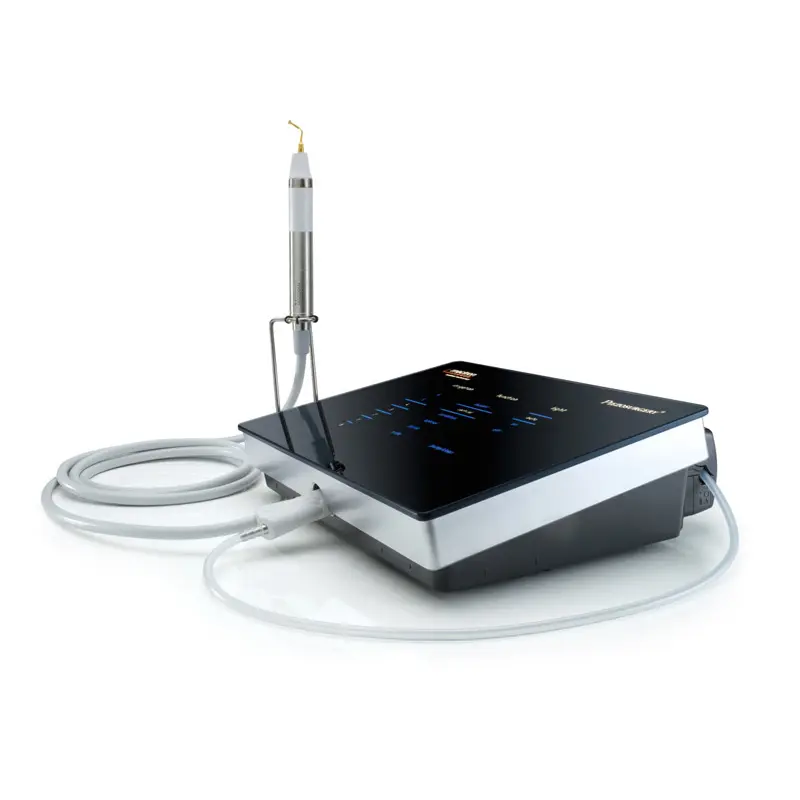
A Comprehensive Analysis of the Mectron PIEZOSURGERY® System: Technology, Clinical Applications, and Evidence-Based Outcomes
Section 1: The Foundational Science of Piezoelectric Osteotomy
The advent of piezoelectric technology in bone surgery represents a significant departure from traditional mechanical osteotomy methods. Rooted in fundamental physics, this approach leverages the unique properties of certain crystalline materials to achieve a level of precision and safety previously unattainable with rotary burs and saws. Understanding the scientific principles that govern its operation is essential to appreciating the clinical advantages and specific applications of the Mectron PIEZOSURGERY® system. This section deconstructs the core science, from the discovery of the piezoelectric effect to its modern surgical application, and details the three synergistic operational pillars that define its efficacy: micrometric cutting, selective tissue sparing, and the cavitation effect.
1.1 The Piezoelectric Effect: From Physical Principle to Surgical Application
The scientific basis for piezoelectric surgery dates back to 1880, when French physicists Jacques and Pierre Curie first described the piezoelectric effect.1 The term itself is derived from the Greek word piezein, which means "to press" or "squeeze," reflecting the Curies' initial observation that applying mechanical pressure to specific crystals, such as quartz, could generate an electrical potential.1 Modern surgical devices, however, operate on the principle of the inverse piezoelectric effect. In this phenomenon, an applied electrical field induces a mechanical deformation in the piezoelectric material.3 The Mectron PIEZOSURGERY® system harnesses this principle by applying a high-frequency alternating electrical current to specialized piezoelectric ceramics housed within the surgical handpiece.1 This causes the ceramic elements to rapidly expand and contract, generating high-frequency mechanical oscillations. These oscillations are then amplified and transmitted to a connected surgical insert, or tip, converting electrical energy into controlled ultrasonic microvibrations.1 When this vibrating insert is brought into contact with bone under light pressure, it initiates a process of microscopic shattering, or fragmentation, of the mineralized tissue, resulting in a clean and precise osteotomy.1 This innovative application of a long-established physical principle was pioneered for bone surgery in the late 1990s through a collaboration between Professor Tomaso Vercellotti and Mectron, leading to the development of the first prototype device for piezoelectric bone surgery.1
1.2 Mechanism of Action: Key Operational Parameters
The unique capabilities of the Mectron PIEZOSURGERY® system are defined by a precise set of operational parameters that govern the behavior of the vibrating insert. These parameters are carefully calibrated to optimize cutting efficiency on hard tissues while ensuring the safety of surrounding soft tissues. The system generates ultrasonic microvibrations at a primary frequency that typically ranges from $24 text{ kHz}$ to $36 text{ kHz}$.1 This high-frequency vibration is further modulated by a low-frequency pulse, generally between $10 text{ Hz}$ and $60 text{ Hz}$, which helps to maintain cutting efficacy while minimizing thermal effects.3 The resulting linear oscillation of the insert tip is characterized by a horizontal amplitude of $60-200$ micrometers ($text{textmu m}$) and a vertical amplitude of $20-60 text{ textmu m}$.3 This controlled, microscopic range of motion is fundamental to the system's ability to perform micrometric cuts. A critical aspect of the system's design is the balance between power and precision. The power output of the device is typically set at approximately $5 text{ W}$.3 There exists an inverse relationship between these two variables: increasing the power requires the use of thicker, more robust inserts to withstand the greater forces, but these larger tips inherently create wider, less precise incisions. The $5 text{ W}$ setting is therefore considered an ideal compromise, providing sufficient energy for effective osteotomy without sacrificing the micrometric precision that is a hallmark of the technology.3
1.3 The Three Pillars of Piezosurgery: A Synergistic Effect
The clinical efficacy of the Mectron PIEZOSURGERY® system is not derived from a single feature but from the synergistic interplay of three core operational principles: micrometric cutting, selective cutting, and the cavitation effect. These pillars are deeply interconnected, with each one enabling and enhancing the others to create a surgical environment that is simultaneously precise, safe, and highly visible. Pillar 1: Micrometric Cutting This refers to the system's capacity to create exceptionally precise and clean osteotomies with minimal bone sacrifice.8 The controlled, linear microvibrations stand in stark contrast to the aggressive, rotational macrovibrations of conventional burs and saws.9 This fundamental difference provides the surgeon with enhanced intra-operative tactile sensation, allowing for a level of control that is indispensable in delicate procedures or complex anatomical regions.9 The ability to execute clean, thin osteotomy lines preserves bone stock and allows for more intricate surgical designs, such as curved or angled cuts, that are difficult to achieve with traditional instrumentation.12 Pillar 2: Selective Cutting (Soft Tissue Sparing) Perhaps the most significant safety advantage of the technology is its ability to selectively target mineralized tissue. The ultrasonic frequency range employed by the system (typically below $36 text{ kHz}$) is highly effective at cutting hard, calcified structures like bone but is unable to efficiently cut elastic soft tissues.3 Soft tissues, such as nerves, blood vessels, and membranes, have a high elastic modulus and simply co-oscillate with the vibrating tip without being damaged.12 Scientific studies have established that frequencies exceeding $50 text{ kHz}$ are necessary to cause damage to neurovascular structures.3 This principle of selective cutting dramatically reduces the risk of iatrogenic injury to critical adjacent structures, providing a crucial safety margin that is absent in non-discriminating rotary instruments.8 Pillar 3: The Cavitation Effect The third pillar arises from the interaction between the high-frequency vibrations of the insert and the sterile saline irrigation fluid delivered to the surgical site.3 This interaction creates a phenomenon known as cavitation, which involves the formation, rapid growth, and subsequent implosion of microscopic vapor bubbles.3 This process yields several critical intra-operative benefits:
- Hemostasis and Enhanced Visibility: The energy released by the imploding bubbles helps to create a hemostatic effect, resulting in a virtually blood-free surgical field. This provides the surgeon with maximum intra-operative visibility, a crucial factor for performing precise and safe surgery, especially in deep or complex anatomical areas.3
- Athermic Cutting and Debris Removal: The continuous flow of irrigation fluid, atomized by the ultrasonic energy, effectively cools the bone and the insert tip, preventing the buildup of heat and mitigating the risk of thermal necrosis.1 The same process simultaneously flushes away bone debris from the osteotomy site, keeping the cutting line clear.3
- Aseptic Field: The cavitation phenomenon has also been shown to have a bactericidal effect by disrupting and fragmenting bacterial cell walls, which contributes to maintaining an aseptic surgical environment.5
The true power of the Piezosurgery system emerges from the way these three pillars function as an integrated whole. The safety afforded by selective cutting gives the surgeon the confidence to work in close proximity to vital structures. This confidence allows them to fully leverage the system's micrometric precision to perform delicate and complex osteotomies. However, such precision would be impossible to execute without a clear view of the surgical field. The cavitation effect provides this essential visibility by maintaining hemostasis and clearing debris. In this way, the safety of the selective cut and the visibility from the cavitation effect are the foundational elements that unlock the full clinical potential of micrometric cutting. One pillar operating in isolation would be far less impactful; their synergy is what defines the technology's advantage over traditional tools that lack this integrated functionality.
Section 2: The Mectron PIEZOSURGERY® Ecosystem: System Architecture and Technological Features
The Mectron PIEZOSURGERY® platform is more than just a handpiece; it is a complete surgical ecosystem comprising sophisticated hardware, intelligent software, and a comprehensive range of accessories. Since its introduction, the system has undergone significant evolution, driven by a commitment to enhancing performance, improving user experience, and expanding its clinical versatility. This section examines the core components of the system architecture, traces the evolution of the product line, and analyzes the proprietary innovations that distinguish Mectron's technology in the competitive landscape of surgical osteotomy.
2.1 System Components and Architecture
A typical Mectron PIEZOSURGERY® unit is composed of several key, integrated components that work in concert to deliver controlled ultrasonic energy to the surgical site.1
- Main Unit: The central console serves as the control hub of the system. It houses the powerful ultrasonic generator responsible for producing the high-frequency electrical signals, as well as the integrated peristaltic pump that manages the flow of sterile irrigation fluid. The flow rate of this pump is adjustable, typically delivering up to approximately $75 text{ ml/minute}$ to ensure adequate cooling and cavitation.3 The console also features the primary user interface for controlling the device's functions.
- Handpiece: The sterilizable, ergonomic handpiece is the component held by the surgeon. It contains the critical piezoelectric ceramic transducers that convert the electrical signals from the main unit into precise mechanical microvibrations.1 Later-generation models, such as the one accompanying the PIEZOSURGERY® touch, incorporate advanced features like integrated, swivel-type LED lighting, which directs illumination onto the insert tip to further enhance intra-operative visibility.11
- Control Interface: The system is primarily activated and controlled via a multi-function foot pedal, allowing for hands-free operation during surgery.1 Power and irrigation settings are adjusted on the main unit's control panel. This interface has evolved significantly over time, from the simple four-button control panel on early models to the sophisticated, easy-to-clean black glass touch screens found on the PIEZOSURGERY® touch and flex units.3
- Irrigation System: An essential component for safety and efficacy, the integrated irrigation system uses the peristaltic pump to deliver a constant flow of sterile coolant. This fluid travels through a reusable tube and an internal line within the handpiece cord, emerging directly at the surgical insert.9 This design ensures that the cooling and cavitation effects are precisely localized to the point of osteotomy. The system is intentionally designed to work with cost-effective, standard components to enhance economy.9
2.2 Evolution of the Mectron Platform
Mectron's journey with piezoelectric surgery began in 2001 with the launch of the first PIEZOSURGERY® device, a technology that was revolutionary for its time and quickly became the benchmark for precision bone surgery.11 Since this pioneering debut, the platform has seen continuous innovation across several generations, each building upon the last with enhancements in power, ergonomics, and intelligent control.
- Early Generations: The initial devices established the core principles of micrometric, selective cutting and cavitation, offering a safer and more precise alternative to traditional burs and saws.
- Focus on Ergonomics and User Experience: The introduction of the PIEZOSURGERY® touch in 2011 marked a significant step forward in usability. With its exclusive glass touch screen, intuitive user interface, and LED-equipped handpiece, this generation demonstrated a clear focus on improving the surgeon's ergonomic experience and streamlining the workflow.11 The PIEZOSURGERY® white followed, designed as an accessible entry point into the technology, emphasizing simplicity, safety, and ease of sterilization.9
- Specialization and Power Enhancement: Recognizing the technology's potential beyond dentistry, Mectron developed specialized units. The PIEZOSURGERY® flex was engineered for versatility, with applications spanning oral/maxillofacial, plastic/reconstructive, and even foot surgery.13 The PIEZOSURGERY® plus represents a leap in performance, featuring significantly enhanced power and two distinct handpiece channels. This model is validated for the most demanding surgical fields, including neurosurgery and spine surgery, where its ability to cut highly mineralized bone with maximum efficiency and safety is paramount.21
- The Next Generation: MT-BONE: The latest evolution in the Mectron lineup is the MT-BONE system. This platform introduces the novel PIEZODRILL® technology for implant site preparation alongside an even more powerful and refined PIEZOSURGERY® capability, signaling a new era of innovation in piezoelectric osteotomy.23
2.3 Proprietary Innovations: System Intelligence and Safety
Beyond the fundamental physics of piezoelectricity, Mectron has developed proprietary software and control systems that elevate the device from a simple tool to an intelligent surgical partner. These innovations are central to the system's performance, safety, and ease of use. The Intelligent Electronic Feedback System This sophisticated software is the heart of the Mectron PIEZOSURGERY® technology.8 The system is engineered to automatically perform several critical functions in real-time. First, it detects which specific surgical insert has been attached to the handpiece. It then continuously monitors the resistance encountered by the tip as it cuts through bone of varying densities. In response to these minute changes in resistance, the feedback system instantly and automatically adjusts the power and vibration frequency to maintain optimal cutting efficiency at all times.8 This automation offloads a significant cognitive burden from the surgeon, whose primary input is simplified to activating the foot pedal.9 By ensuring the device is always operating at its peak performance for the given conditions, the system allows the clinician to concentrate fully on the surgical procedure itself, leading to more efficient and successful outcomes.11 Automatic Protection Control (APC) The APC is a critical, built-in safety mechanism designed to protect the patient, surgeon, and the device itself.9 This system continuously monitors the device's operational parameters for any deviation from normal function, such as an improperly tightened insert, a broken tip, or an interruption in the handpiece cord.9 If the APC detects such an anomaly, it triggers an immediate failsafe, automatically stopping both the power and the irrigation flow in less than 0.1 seconds.9 Simultaneously, it displays an error code on the console keyboard, informing the operator of the specific cause of the interruption.9 This rapid, automated response provides a level of safety that human reaction time cannot match, preventing potential harm and allowing for swift troubleshooting.21 The development and integration of these automated systems represent a fundamental shift in the design philosophy of surgical instrumentation. A basic surgical tool relies entirely on the operator's skill and constant manual adjustments to function correctly, placing a high cognitive load on the surgeon and making the outcome highly dependent on their experience level. The Mectron feedback system effectively transfers the complex task of real-time power modulation from the surgeon to the device's internal processor. The APC system, in turn, acts as a vigilant, automated safety observer that can detect and react to equipment faults far faster than a human. This evolution from a manually operated instrument to an intelligent, semi-autonomous surgical system has profound implications. It not only enhances safety and ensures peak performance for expert users but also helps to mitigate the steep learning curve often associated with new surgical technologies, making the benefits of Piezosurgery more accessible and reliable for a broader range of clinicians.
Section 3: The Surgical Armamentarium: A Comprehensive Guide to Mectron Inserts
The versatility and precision of the Mectron PIEZOSURGERY® system are ultimately delivered through its extensive portfolio of surgical inserts. These specialized tips are not merely accessories but are precision-engineered instruments, each designed for a specific clinical task. Mectron's commitment to quality is evident in the advanced manufacturing processes and material science employed in their creation. To simplify clinical application, these numerous inserts are organized into procedure-specific kits, providing surgeons with a complete and logical armamentarium for a wide range of surgical interventions.
3.1 Manufacturing and Material Science
The performance of a piezoelectric surgical system is critically dependent on the quality of its inserts. Mectron employs a rigorous, multi-step manufacturing process to ensure each tip meets the highest standards of precision, durability, and cutting efficiency.19
- Precision Engineering: Each insert is shaped using a state-of-the-art, computer numerical control (CNC) 5-dimensional sharpening machine. This advanced process allows for an exceptional level of accuracy, achieving tolerances of up to $0.01 text{ mm}$ 8 and, in some cases, as fine as $0.1 text{ textmu m}$.26 The complexity of this process is reflected in the time it takes to produce a single insert, which can be as long as 12 minutes.8
- High-Quality Materials: The foundation of every Mectron insert is medical-grade, high-quality stainless steel, chosen for its strength, corrosion resistance, and biocompatibility.26
- Specialized Surface Coatings: To further enhance performance for specific applications, many inserts receive advanced surface treatments:
- Diamond Coating: Select inserts are coated with specially chosen diamonds. The granulometry, or grain size, of this diamond coating is carefully adapted to the intended clinical function. For example, inserts designed for aggressive bone cutting may have a coarser grain, while those intended for finer osteoplasty or root planing will have a finer grain size.8
- Titanium Nitride (TiN) Coating: A hard, ceramic TiN coating is applied to many inserts designed for treating bone. This coating significantly increases the surface hardness of the tip, which helps to prevent corrosion and, most importantly, extends the insert's effective working life by making it more resistant to wear.8
3.2 Classification by Clinical Application: A Review of Insert Kits
The extensive range of Mectron inserts, numbering in the dozens, is logically organized into comprehensive kits tailored for specific surgical procedures.23 This kit-based approach simplifies instrument selection and management, ensuring that the surgeon has the complete sequence of necessary tools readily available for each stage of an operation.7 The table below provides a systematic overview of the primary insert kits and their designated clinical applications. Table 3.1: Mectron PIEZOSURGERY® Insert Kits and Clinical Indications
Kit Name Equipped Inserts (by code) Primary Clinical Application(s) Key Features/Benefits Basic Kit OT2, OT7, OP1, OP3, EX1 26 General osteotomy, osteoplasty, bone chip harvesting, extractions. A versatile introductory set for a wide range of common oral surgery procedures. Osteotomy Kit OT7, OT7S-4, OT7S-3, OT8R, OT8L 26 Advanced osteotomy, ridge expansion, bone block grafting. Specialized saws and chisels for precise bone cutting, especially in anatomically challenging areas. Sinus Lift Lateral Kit SLC, SLO-H, SLS, SLE1, SLE2 26 Lateral approach sinus augmentation. A complete set for creating the bony window, separating, and elevating the Schneiderian membrane with minimal risk of perforation. Developed with Prof. Vercellotti. Piezo Lift Kit PL1, PL2, PL3 26 Crestal approach sinus augmentation. Inserts designed for the minimally invasive consumption of the sinus floor and initial membrane elevation from a crestal approach. Implant Prep Kits (Starter/Pro) IM1S, IM2P/A, IM3P/A, OT4, P2-3, etc. 26 Implant site preparation (osteotomy). A sequential series of calibrated inserts for creating the implant osteotomy atraumatically, preserving bone vitality and improving osseointegration. Extraction Kit EX1, EX2, EX3, PS2, PS6 26 Atraumatic tooth extractions. Fine periotome-like inserts for severing the periodontal ligament and sectioning ankylosed roots, preserving the alveolar bone. Explantation Kit EXP3-R, EXP3-L, EXP4-R, EXP4-L 26 Removal of failed dental implants. Specialized inserts designed to cut the bone-implant interface with minimal bone sacrifice, facilitating implant removal. Periodontal / Resective Perio Kits PP1, PS2, OP3, OP5, OT13, OT14, etc. 26 Periodontal osseous surgery (ostectomy, osteoplasty), root debridement. A range of inserts for resective bone surgery, crown lengthening, and thorough root surface cleaning and planing. Retro Surgical Kit OP7, EN1, EN3, EN5R, EN5L 26 Endodontic surgery (apicoectomy). Micro-instruments for apical bone access, inflammatory tissue removal, and retrograde root-end preparation. The organization of this vast and specialized insert portfolio into logical, procedure-based kits provides immense practical value. For a clinician, navigating dozens of individual insert codes to assemble the correct armamentarium for a specific surgery can be a daunting task. The kit system transforms this complexity into a clear, user-friendly solution. A surgeon preparing for a lateral window sinus lift can simply select the "Sinus Lift Lateral Kit" with the confidence that it contains the complete, tested sequence of instruments required for the procedure, from the initial osteoplasty to the final membrane elevation. This approach not only streamlines clinical workflow but also ensures that the unique benefits of the Piezosurgery technology are applied effectively and appropriately for each distinct surgical challenge.
Section 4: Clinical Applications Across Surgical Disciplines
Initially developed and refined within the field of oral and maxillofacial surgery, the unique safety and precision of the Mectron PIEZOSURGERY® system have led to its adoption across a remarkably diverse range of surgical specialties. The technology's expansion into fields such as neurosurgery, spinal surgery, and complex reconstructive procedures is not arbitrary. It is driven by a single, powerful common denominator: the clinical necessity of performing precise osteotomies in immediate proximity to delicate, high-risk anatomical structures. The principle of selective cutting, which protects vital soft tissues, is a universally valuable safety feature, making Piezosurgery an indispensable tool wherever bone and vulnerable neural or vascular tissues coexist.
4.1 Oral, Maxillofacial, and Orthognathic Surgery
This remains the foundational field for Piezosurgery, where its applications are most extensive and well-documented.
- Core Applications: The technology is routinely employed for atraumatic extractions, particularly of deeply impacted or ankylosed third molars, where the preservation of the surrounding alveolar bone is critical for future implant placement.11 It is widely used for implant site preparation, where the atraumatic nature of the cut is believed to foster superior osseointegration.16 Other common applications include ridge expansion in atrophic jaws, autologous bone block and chip harvesting for grafting procedures, and periodontal osseous surgery.16
- Advanced Procedures: The system's unparalleled precision and safety are most evident in complex maxillofacial and orthognathic surgeries. It is the instrument of choice for delicate osteotomies in procedures such as the sagittal split and Le Fort I, where the inferior alveolar nerve and other critical structures are at risk.13 It is also applied in aesthetic procedures like rhinoplasty and in any osteotomy performed near vital structures such as major vessels or the dura mater.13
4.2 Advanced Applications in Neurosurgery and Spinal Surgery
The successful application of Piezosurgery in oral surgery, particularly in protecting the inferior alveolar nerve, directly demonstrated its potential for even more critical neural structures. This has led to its validation and adoption in some of the most delicate surgical fields.
- Cranial Surgery: The Piezosurgery system is utilized for performing precise craniotomies for tumor access, pediatric skull reshaping for conditions like craniosynostosis, and in endoscopic transsphenoidal approaches to the skull base.22 In this context, the primary advantage is the ability to cut through the skull bone without the risk of lacerating the underlying dura mater, a frequent complication with high-speed burs that can lead to cerebrospinal fluid leaks and other serious morbidities.30
- Spinal Surgery: The technology's safety profile makes it uniquely suited for spinal procedures where the spinal cord and nerve roots are in immediate proximity to the bone being operated on. Applications include open-door laminoplasty, laminectomy, foraminotomy, and the resection of osteophytes that are compressing neural elements.21 Using Piezosurgery in these scenarios significantly reduces the risk of catastrophic, irreversible neurological injury compared to conventional high-speed drills or rongeurs.30
4.3 Plastic, Reconstructive, and Orthopedic Surgery
The principles of precision and tissue preservation are also highly valued in reconstructive and orthopedic procedures, where bone integrity and healing are paramount.
- Graft Harvesting: The system is employed for harvesting autologous bone grafts from a variety of donor sites, including the calvarium (skull), iliac crest, and radius.13 Its utility is particularly noted in complex microvascular free fibula flap procedures, where precise segmentation of the fibula is required to reconstruct the mandible or other bony defects.13 The clean cuts and preservation of cell viability are believed to enhance the quality and integration of the harvested grafts.
- Foot Surgery: In the field of orthopedics, Piezosurgery has found a niche in various osteotomies of the foot. Procedures such as the Bosch, Chevron, and Scarf techniques for correcting deformities like hallux valgus benefit from the high degree of precision and control offered by the technology, which is essential for achieving the correct anatomical realignment and ensuring successful patient outcomes.13
The broad and expanding range of these clinical applications underscores a key truth about the technology's value proposition. Its journey from dentistry to neurosurgery is a logical progression based on its core safety feature. The fundamental surgical challenge of cutting bone without harming the delicate Schneiderian membrane in a sinus lift is analogous to the challenge of performing a craniotomy without tearing the dura mater. Piezosurgery's greatest clinical utility is realized precisely in these situations where the surgical target (bone) is intimately associated with high-risk, non-mineralized tissue. Therefore, the technology's market expansion and diverse applications can be understood as a direct function of its ability to solve this universal surgical problem.
Section 5: Comparative Efficacy: Piezosurgery versus Conventional and Alternative Osteotomy Techniques
The clinical adoption of any new surgical technology is contingent upon a thorough evaluation of its performance relative to existing standards of care and emerging alternatives. The Mectron PIEZOSURGERY® system is no exception and has been the subject of numerous studies comparing its efficacy, safety, and outcomes against conventional rotary instruments and other advanced osteotomy methods like surgical lasers. This section provides a critical, evidence-based analysis of these comparisons, focusing on key performance metrics such as precision, safety, operative time, and the quality of the resulting bone surface.
5.1 Piezosurgery vs. Rotary Instruments (Burs and Saws)
The most direct and clinically relevant comparison is between piezoelectric surgery and the long-established gold standard of rotary instruments (high-speed burs and oscillating saws). This comparison reveals a fundamental trade-off between the speed of conventional methods and the precision, safety, and superior biological outcomes offered by Piezosurgery.
- Precision, Control, and Bone Surface Quality: Piezosurgery's controlled, linear micrometric vibrations provide superior surgical precision and enhanced tactile feedback for the operator.9 This allows for the creation of extremely fine and accurate osteotomy lines. In contrast, the high-speed macrovibrations of burs and saws can lead to a "skipping" or "chattering" effect on the bone surface, which limits control and precision.12 Histological and electron microscopy studies confirm this difference at a microscopic level. Bone surfaces cut with Piezosurgery are consistently smoother and sharper, with open and clear vascular (Haversian) canals. Conversely, surfaces cut with rotary saws exhibit numerous scratches and are often covered with a "smear layer" of impacted bone debris that clogs the vascular canals, potentially impeding blood flow and subsequent healing.14
- Safety (Soft Tissue Sparing): This remains the most significant and undisputed advantage of Piezosurgery. Its selective cutting action, which is effective only on mineralized tissue, provides an unparalleled safety margin when operating near nerves, vessels, or delicate membranes.14 Burs and saws are non-discriminating and will readily cut or tear any soft tissue they contact, posing a constant risk of iatrogenic injury.8 In procedures like the lateral window sinus lift, the use of Piezosurgery has been shown to reduce the risk of Schneiderian membrane perforation by over 80%.9
- Operative Time: The primary advantage of rotary instruments lies in their speed. The aggressive, mechanical nature of a high-speed bur allows for much faster bone removal than the microscopic shattering action of Piezosurgery. A broad consensus exists across numerous comparative studies that piezoelectric osteotomy is a significantly slower procedure, in some cases taking two to three times longer to complete the same bone-cutting task.32 This increased surgical time is a critical factor that must be considered in clinical decision-making and surgical planning.
- Intraoperative Conditions: The cavitation effect inherent to Piezosurgery offers distinct advantages during the procedure. It creates a hemostatic effect that results in a bloodless field, greatly improving visibility for the surgeon.3 While rotary instruments use copious irrigation, the spray and bleeding can sometimes obscure the surgical site. Furthermore, rotary instruments generate significant frictional heat, which carries a constant risk of thermal necrosis to the bone if the irrigation is not perfectly managed. This risk is inherently lower with the athermic cutting action and integrated cooling of the Piezosurgery system.17
The decision between these two technologies often comes down to a clinical judgment of priorities. In a straightforward procedure in a safe anatomical location, the speed of a rotary bur may be preferable. However, in a complex procedure adjacent to a critical nerve, the safety and precision of Piezosurgery become paramount, justifying the additional operative time. This central trade-off is summarized in the table below. Table 5.1: Summary of Piezosurgery vs. Rotary Instruments
Feature Mectron PIEZOSURGERY® Conventional Rotary Instruments (Burs/Saws) Cutting Mechanism Ultrasonic microvibrations (microscopic shattering) 1 Mechanical macrovibrations (grinding/cutting) 9 Precision & Control High; micrometric cuts, excellent tactile feedback 9 Limited; risk of skipping, less precise cuts 12 Soft Tissue Safety High; selective cutting action spares soft tissues 8 Low; non-discriminating, high risk of soft tissue injury 19 Intraoperative Visibility Excellent; bloodless field due to cavitation effect 3 Variable; can be obscured by bleeding and irrigation spray 34 Thermal Damage Risk Low; athermic cutting with integrated cooling 3 High; significant heat generation requiring copious irrigation 32 Operative Time Slower; significantly longer procedure time 32 Faster; rapid bone removal 33 Postoperative Pain Significantly reduced 32 Higher incidence and severity 33 Postoperative Swelling/Trismus Significantly reduced 32 Higher incidence and severity 33 Bone Healing Quality Superior; clean surfaces, preserved vascularity 14 Impaired; smear layer, clogged canals, thermal damage 14 Learning Curve High; requires a different, gentle technique 6 Low; familiar technique for most surgeons 6 Cost High initial capital investment 17 Low initial cost 34
5.2 Piezosurgery vs. Surgical Lasers (Er:YAG)
Surgical lasers, particularly the Erbium-doped: Yttrium-Aluminium-Garnet (Er:YAG) laser, have also emerged as an alternative technology for bone osteotomy. Comparisons reveal that each technology has distinct strengths and weaknesses.
- Bone Harvesting: An ex-vivo study on cadaveric mandibles compared the three technologies for harvesting block grafts.39 Piezosurgery was found to be the most efficient at harvesting the largest volume of graft material ($63.50 text{ mm}^3$). The Er:YAG laser was the most conservative, creating the smallest defect and the least amount of collateral bone loss, but it was also by far the slowest method, taking 503 seconds on average, compared to 273 seconds for Piezosurgery and just 77 seconds for the rotary bur.39
- Postoperative Outcomes: A clinical trial comparing the methods for impacted third molar surgery found that both Piezosurgery and the Er:YAG laser resulted in higher patient satisfaction compared to the conventional bur technique.40 In this study, the laser group reported significantly less pain at the 24-hour mark than the Piezosurgery group. However, the laser group also experienced the highest degree of trismus at the 48-hour mark, suggesting a more complex postoperative recovery profile.40
5.3 The Competitive Landscape: Mectron vs. Other Piezoelectric Devices
The success of the Mectron PIEZOSURGERY® system has led to the emergence of several competitors in the piezoelectric surgery market, including Acteon (Piezotome), NSK (VarioSurg), and W&H (Piezomed).41
- User Feedback and Comparative Studies: Direct comparisons often reveal subtle differences in performance and user experience. User forums contain anecdotal reports praising Mectron's insert designs while sometimes citing issues with handpiece heating or tip fragility. Conversely, competitors like Acteon are sometimes praised for their customer support and tip variety.43 An in-vitro study comparing five devices, including the Mectron Piezosurgery and two Acteon Piezotome models, evaluated cutting depth and heat generation.42 While the results were not statistically significant due to a small sample size, the study did find variations in performance. In that specific experiment, the Acteon Piezotome Cube LED achieved the greatest cutting depth ($4.8 text{ mm}$ in 5 seconds) and the lowest temperature rise (to $40.59^circtext{C}$), while the Mectron device achieved a depth of $1.2 text{ mm}$ and reached a temperature of $50.89^circtext{C}$.42 Another study comparing the Mectron Piezosurgery touch with a competitor (Saeshin TRAUS XUS10) found that users were more satisfied with the Mectron unit's function keys and lower handpiece heat generation, while the competitor's device was perceived as having a lower motor noise level.44 These findings suggest that while all devices operate on the same fundamental principle, differences in power output, insert design, and cooling efficiency can lead to variations in clinical performance.
Section 6: Clinical Evidence and Patient Outcomes: A Review of the Literature
The theoretical advantages of piezoelectric surgery—precision, safety, and minimal trauma—have been extensively investigated in clinical settings to determine their real-world impact on patient outcomes and the biological processes of healing. A substantial body of scientific literature, including numerous randomized clinical trials and systematic reviews, provides robust evidence supporting the benefits of the Mectron PIEZOSURGERY® system. The findings consistently demonstrate quantifiable improvements in the intraoperative environment, the patient's postoperative quality of life, and the underlying histological quality of bone healing.
6.1 Intraoperative Advantages: Precision, Preservation, and Hemostasis
Clinical studies have validated the key intraoperative benefits claimed by the technology.
- Soft Tissue Preservation: The soft-tissue-sparing capability of Piezosurgery is its most consistently proven and clinically significant intraoperative advantage. In high-risk fields like neurosurgery and spinal surgery, clinical trials report minimal to zero incidence of dural tears or direct nerve damage when using the piezoelectric device, a stark improvement over the known complication rates of conventional high-speed drills.30 This ability to safely cut bone directly adjacent to the dura mater or spinal cord is a primary driver of its adoption in these specialties.
- Reduced Blood Loss: The hemostatic effect produced by cavitation is confirmed in clinical practice. Studies, particularly in major orthognathic and cranial surgeries, have documented a statistically significant reduction in estimated blood loss (EBS) in Piezosurgery groups compared to those treated with conventional osteotomes.30 This leads to a clearer surgical field, which can improve surgical accuracy and, in some complex cases, may even help to offset the slower cutting speed by reducing time spent managing bleeding.45
6.2 Postoperative Benefits: A Quantifiable Improvement in Patient Quality of Life
The minimally invasive nature of the piezoelectric cut translates directly into a more comfortable and rapid recovery for the patient. This is not merely a subjective impression but a quantifiable outcome measured across multiple clinical trials.
- Pain Reduction: A consistent and statistically significant finding in the literature is that patients who undergo osteotomies with Piezosurgery report lower levels of postoperative pain.15 Multiple studies comparing third molar extractions have shown that patients in the Piezosurgery group have significantly lower pain scores on Visual Analogue Scales (VAS) and require fewer analgesic medications in the days following surgery compared to patients treated with rotary instruments.33
- Reduced Swelling (Edema) and Trismus: The reduced trauma to both bone and surrounding soft tissues results in a diminished inflammatory response. This is clinically manifested as a statistically significant reduction in postoperative facial swelling (edema) and trismus (lockjaw).32 Patients recover their normal mouth opening more quickly and experience less facial disfigurement, contributing to an overall improvement in their postoperative quality of life.33
6.3 Histological and Healing Advantages: The Biological Impact
Beyond the immediate patient experience, the atraumatic nature of piezoelectric surgery has a profound positive impact at the cellular and tissue levels, creating a superior biological environment for healing.
- Superior Bone Surface Quality: As established in comparative analyses, Piezosurgery creates a clean, smooth bone surface that is free of debris and features open, patent vascular canals. This pristine surface is biologically more receptive to the initial stages of wound healing compared to the rough, debris-laden "smear layer" created by rotary instruments.14
- Accelerated Bone Healing and Osseointegration: The combination of a clean bone surface, preserved vascularity, and reduced inflammation creates an optimal cascade for bone regeneration. Scientific studies have shown that bone at Piezosurgery sites exhibits less inflammation and more active neo-osteogenesis (new bone formation) in the early phases of healing.45 Biomolecular analyses have detected higher expression levels of critical growth factors, such as Bone Morphogenetic Proteins (BMPs), at piezoelectric sites.38 An animal study demonstrated that the area of regenerated bone in piezoelectric osteotomies was double that of rotary osteotomies at the 15-day mark.30
This superior biological response forms a virtuous cycle that directly influences long-term clinical success. The process begins with the initial, atraumatic cut, which minimizes cellular damage and preserves the vital blood supply at the surgical site. This leads to a less intense inflammatory response from the body, which is observed clinically as reduced pain and swelling. This low-inflammation environment, combined with the preserved vascularity, creates the ideal conditions for the subsequent healing cascade, promoting faster and more organized new bone formation. Ultimately, this results in a denser, healthier, and better-vascularized bone bed. For procedures such as implantology, this superior biological foundation is critical, as it leads to faster, more predictable, and more robust osseointegration, thereby increasing the long-term success and stability of the dental implant.8 The decision to use Piezosurgery, therefore, is not merely about providing a more comfortable postoperative week for the patient; it is an investment in creating a superior biological foundation that can significantly enhance the success of the entire restorative treatment plan.
Section 7: Practical Considerations: Limitations, Contraindications, and Safety Protocols
While the Mectron PIEZOSURGERY® system offers a host of clinical and biological advantages, a balanced and practical assessment requires a thorough understanding of its limitations, contraindications, and the specific protocols required for its safe and effective operation. For clinicians considering adopting this technology, these real-world factors—including operative time, cost, the learning curve, and patient selection criteria—are as important as its technical capabilities.
7.1 Addressing the Limitations
Despite its many benefits, piezoelectric surgery is not without its disadvantages, which must be carefully weighed in the context of clinical practice.
- Increased Operative Time: This is the most frequently cited and significant limitation of the technology. The micrometric cutting action is inherently slower than the aggressive mechanical removal of bone by rotary instruments. Studies consistently show that performing an osteotomy with Piezosurgery can take substantially longer, particularly in dense cortical bone.32 This increased chair time must be factored into surgical scheduling and can have implications for both practice efficiency and patient endurance during procedures under local anesthesia.34
- High Initial Cost: Piezoelectric surgical units represent a significant capital investment. The cost of the main console, handpieces, and initial set of inserts is considerably higher than that of conventional rotary handpiece systems, which can be a significant barrier to adoption, especially for smaller or newer practices.6
- Steep Learning Curve and Technique Sensitivity: Effective use of Piezosurgery requires a different surgical technique than that used with rotary burs. Surgeons must learn to use a light, consistent pressure, as applying excessive force will impede the insert's vibration, dramatically reducing its cutting efficiency and potentially generating heat.2 This requires unlearning the muscle memory associated with conventional instruments and can take a dedicated period of practice to master.6
- Insert Wear and Breakage: The fine, precision-engineered surgical inserts are consumable items. They can wear out with use, reducing their cutting efficiency, and are susceptible to fracture if used with improper technique (e.g., applying excessive leverage).17 The need to regularly replace these tips adds to the ongoing operational cost of the system.43
7.2 Contraindications and Patient Selection
While Piezosurgery is safe for a broad range of patients, there are specific contraindications and medical conditions that require caution.
- Absolute Contraindication: The use of ultrasonic surgical devices is strictly contraindicated in patients who have implanted electronic devices, most notably cardiac pacemakers. The electromagnetic field generated by the Piezosurgery unit can interfere with the function of a pacemaker, posing a serious risk to the patient.34
- Medical Cautions: While not absolute contraindications, caution is advised when treating patients with certain systemic conditions. These include patients with serious or unstable cardiovascular diseases, uncontrolled diabetes, compromised immune systems, or those who are currently undergoing or have recently undergone radiotherapy to the head and neck region.34 A thorough medical history and consultation with the patient's physician are warranted in these cases.
- Prosthetics: To avoid the risk of debonding, the vibrating insert should not be used directly on existing metal or ceramic prosthetic restorations, such as crowns or bridges.34
7.3 Operational Safety and Maintenance
Adherence to strict operational and maintenance protocols is essential for ensuring the safety of both the patient and the clinical team, as well as the longevity of the equipment.
- User Safety Protocols: The manufacturer's user manual provides extensive guidelines for safe operation. These include ensuring the device is connected to a properly grounded electrical outlet, avoiding its use in the presence of flammable anesthetic gases, and maintaining a safe distance from other sensitive electronic equipment to prevent interference.50
- Aerosol Mitigation Strategies: As an aerosol-generating procedure, the use of Piezosurgery requires specific protocols to minimize the risk of airborne contamination, a concern of heightened importance in the post-COVID-19 era. Mectron's recommendations include having the patient perform a pre-procedural rinse with an antiseptic mouthwash (e.g., povidone-iodine or chlorhexidine), using a high-volume evacuation (HVE) system, and keeping the aspiration tip as close as possible to the surgical site to capture the aerosol at its source.51
- Maintenance and Sterilization: Proper care of the equipment is critical. The handpiece, torque wrench, and all reusable surgical inserts must be thoroughly cleaned and sterilized in an autoclave according to the specific instructions provided in the manufacturer's cleaning and sterilization manual after every use.52 The manual also outlines the procedures for troubleshooting common error codes and specifies that any internal repairs must be performed by an authorized Mectron service center to maintain the device's warranty and ensure its proper function.50
Section 8: Conclusion and Future Outlook
The introduction and refinement of the Mectron PIEZOSURGERY® system have fundamentally altered the landscape of surgical osteotomy. By leveraging the physical principle of piezoelectricity, Mectron has engineered a technology that successfully challenges the long-held dominance of conventional rotary instruments. Its development represents a paradigm shift in surgical philosophy, prioritizing precision, atraumatic technique, and superior biological outcomes over the singular pursuit of speed. The extensive body of clinical and scientific evidence reviewed in this analysis confirms that this approach yields significant, quantifiable benefits for both the patient and the surgeon.
8.1 Synthesis of Findings: The Role of Mectron Piezosurgery in Modern Surgery
The Mectron PIEZOSURGERY® system has firmly established its role as an indispensable tool in modern surgery, particularly in procedures where the margin for error is minimal. Its core value proposition is rooted in the synergistic action of its three foundational pillars: the micrometric precision of its cuts, the unparalleled safety of its selective, soft-tissue-sparing action, and the enhanced visibility afforded by the cavitation effect. This analysis has shown that these technological advantages translate into clear clinical benefits. Intraoperatively, the system provides surgeons with greater control and a bloodless field, mitigating the risk of iatrogenic damage to critical neurovascular structures. Postoperatively, patients experience a demonstrably better quality of life, with significant reductions in pain, swelling, and trismus. At a biological level, the atraumatic nature of the piezoelectric cut creates a superior environment for healing, leading to faster and more robust bone regeneration and osseointegration. However, these advantages come at a cost. The technology's primary limitations—longer operative times, a high initial financial investment, and a demanding learning curve—are significant practical considerations. Therefore, the decision to employ Piezosurgery is not absolute but rather a calculated clinical judgment. It represents a trade-off, where the surgeon consciously chooses to invest more time and resources in exchange for a higher degree of safety, precision, and a more favorable postoperative course for the patient. In the context of complex anatomy and high-stakes procedures, this trade-off is often not just justifiable but essential for achieving the best possible outcome.
8.2 Emerging Trends and the Future of Piezoelectric Technology
The field of piezoelectric surgery continues to evolve, driven by ongoing innovation in engineering, material science, and software intelligence. The trajectory of the Mectron platform, from its pioneering origins to the advanced, powerful systems like the PIEZOSURGERY® plus and the next-generation MT-BONE, points toward a future where the technology's current limitations may be significantly diminished. Future developments are likely to focus on several key areas. Continued advancements in transducer technology and power modulation software may succeed in narrowing the speed gap with rotary instruments, making Piezosurgery a more time-efficient option for a broader range of procedures. Innovation in material science could lead to the development of more durable and wear-resistant inserts, reducing consumable costs and improving cutting efficiency. Furthermore, the integration of artificial intelligence and enhanced feedback systems could further simplify the user interface, potentially shortening the learning curve and making the technology even more intuitive and accessible. As surgical techniques continue to trend toward minimally invasive approaches that prioritize tissue preservation and accelerated recovery, the fundamental principles of piezoelectric surgery are more relevant than ever. The Mectron PIEZOSURGERY® system, by embodying these principles, is well-positioned not only to maintain its status as a critical instrument in the contemporary surgical armamentarium but also to expand its applications, further solidifying its role as a standard of care in precision bone surgery. Nguồn trích dẫn 1. Piezosurgery: A Boon for Modern Periodontics – PMC – NIH, truy cập vào tháng 10 24, 2025, https://pmc.ncbi.nlm.nih.gov/articles/PMC5343677/ 2. An overview on the art of piezosurgery in the maxillofacial practice – Semantic Scholar, truy cập vào tháng 10 24, 2025, https://pdfs.semanticscholar.org/30ec/d9df6e67a47aa3ee88e77d36f741bff2a643.pdf 3. Escalating Role of Piezosurgery in Dental Therapeutics – PMC, truy cập vào tháng 10 24, 2025, https://pmc.ncbi.nlm.nih.gov/articles/PMC4253291/ 4. Application of Piezoelectric Material in Surgery – ResearchGate, truy cập vào tháng 10 24, 2025, https://www.researchgate.net/publication/370618308_Application_of_Piezoelectric_Material_in_Surgery 5. Piezoelectric surgery – Gaining popularity in modern periodontics: A review, truy cập vào tháng 10 24, 2025, https://ijpi.in/html-article/21623 6. An overview on the art of piezosurgery in the maxillofacial practice | Journal of Oral Medicine and Oral Surgery, truy cập vào tháng 10 24, 2025, https://www.jomos.org/articles/mbcb/full_html/2022/01/mbcb200137/mbcb200137.html 7. → PRODUCT CATALOGUE – mectron, truy cập vào tháng 10 24, 2025, https://dental.mectron.com/fileadmin/user_upload/dental/general/pdf/product_brochures/int_bro_product_catalogue.pdf 8. → EXPERIENCE PIEZOSURGERY® – mectron, truy cập vào tháng 10 24, 2025, https://dental.mectron.com/fileadmin/user_upload/dental/english/pdf/product_brochures/en_bro_piezosurgery_experience.pdf 9. PIEZOSURGERY® white – mectron dental, truy cập vào tháng 10 24, 2025, https://dental.mectron.com/products/piezosurgery/units/piezosurgeryr-white/ 10. Piezosurgery: basics and possibilities – PubMed, truy cập vào tháng 10 24, 2025, https://pubmed.ncbi.nlm.nih.gov/17172949/ 11. PIEZOSURGERY® touch – mectron dental, truy cập vào tháng 10 24, 2025, https://dental.mectron.com/products/piezosurgery/units/piezosurgeryr-touch/ 12. Piezo surgery – a universal principle for diverse indications | W&H, truy cập vào tháng 10 24, 2025, https://www.wh.com/en_global/dental-newsroom/reports-and-studies/new-article/04787 13. PIEZOSURGERY® flex – mectron medical, truy cập vào tháng 10 24, 2025, https://medical.mectron.com/products/units/piezosurgeryr-flex/ 14. Piezosurgery versus Reciprocating Saw: Qualitative Comparison of the Morphology of Cutting Surfaces in Ex Vivo Human Bone – MDPI, truy cập vào tháng 10 24, 2025, https://www.mdpi.com/2076-3417/14/5/2203 15. Piezoelectric Bone Surgery in Dental Extractions and Implants, truy cập vào tháng 10 24, 2025, https://www.stevebureauoms.com/blog/piezoelectric-bone-surgery-in-dental-extractions-and-implants/ 16. Dentistry's guide to piezoelectric surgery, truy cập vào tháng 10 24, 2025, https://dentistry.co.uk/2024/11/01/dentistrys-guide-to-piezoelectric-surgery/ 17. PIEZOSURGERY IN PERIODONTICS: A NEW PARAGON FOR TRADITIONAL APPROACHES – Guident, truy cập vào tháng 10 24, 2025, https://www.guident.net/articles/periodontics/PIEZOSURGERY-IN-PERIODONTICS:-A-NEW-PARAGON-FOR-TRADITIONAL-APPROACHES.html 18. Is Piezoelectric Surgery the New Gold-Standard in Oral Surgery and Implantology? – Smile Dental Journal, truy cập vào tháng 10 24, 2025, https://www.smiledentaljournal.me/files/smiledentaljournal_files_20200314025944.pdf 19. Û EXPERIENCE PIEZOSURGERY® – ariston dental, truy cập vào tháng 10 24, 2025, https://aristondental.com/wp-content/uploads/2022/03/Mectron-Piezosurgery-Experience.pdf 20. PIEZOSURGERY – MECTRON, truy cập vào tháng 10 24, 2025, https://piezosurgery.mectron.com/units-en.html 21. PIEZOSURGERY® plus – mectron medical, truy cập vào tháng 10 24, 2025, https://medical.mectron.us/products/units/piezosurgeryr-plus/ 22. PIEZOSURGERY® plus – mectron medical – mectron dental, truy cập vào tháng 10 24, 2025, https://medical.mectron.com/products/units/piezosurgeryr-plus/ 23. PIEZOSURGERY® + PIEZODRILL® – mectron dental, truy cập vào tháng 10 24, 2025, https://dental.mectron.com/products/piezosurgery/ 24. mectron dental, truy cập vào tháng 10 24, 2025, https://dental.mectron.com/ 25. PIEZOSURGERY® touch – mectron dental, truy cập vào tháng 10 24, 2025, https://dental.mectron.us/products/piezosurgeryr-piezodrillr/units/piezosurgeryr-touch/ 26. PIEZOSURGERY® INSERTS – mectron s.p.a. – PDF Catalogs …, truy cập vào tháng 10 24, 2025, https://pdf.medicalexpo.com/pdf/mectron-spa/piezosurgery-inserts/73174-235817.html 27. Û MECTRON PIEZOSURGERY® INSERTS – ariston dental, truy cập vào tháng 10 24, 2025, https://aristondental.com/wp-content/uploads/2022/03/Mectron-Piezosurgery-Inserts.pdf 28. → MECTRON PIEZOSURGERY® INSERTS – Blue Sky Bio, truy cập vào tháng 10 24, 2025, https://blueskybio.com/caffeine/uploads/files/documents/us_bro_piezosurgery_inserts.pdf 29. basic set – mectron, truy cập vào tháng 10 24, 2025, https://dental.mectron.com/products/piezosurgeryr-piezodrillr/insert-sets/basic-set/ 30. Scientific abstracts – mectron medical – mectron dental, truy cập vào tháng 10 24, 2025, https://medical.mectron.com/education-innovation/scientific-abstracts/ 31. Piezoelectric surgery – Wikipedia, truy cập vào tháng 10 24, 2025, https://en.wikipedia.org/wiki/Piezoelectric_surgery 32. (PDF) Piezosurgery Versus Rotary Instruments for Mandibular …, truy cập vào tháng 10 24, 2025, https://www.researchgate.net/publication/393878579_Piezosurgery_Versus_Rotary_Instruments_for_Mandibular_Impacted_Third_Molars_Extractions_A_Prospective_Randomized_Clinical_Study 33. Comparison of Piezosurgery and Conventional Rotary Instruments …, truy cập vào tháng 10 24, 2025, https://pmc.ncbi.nlm.nih.gov/articles/PMC5002292/ 34. Removal of Impacted Third Molars: High Speed Bur or Piezosurgery?, truy cập vào tháng 10 24, 2025, https://www.oralhealthgroup.com/features/removal-of-impacted-third-molars-high-speed-bur-or-piezosurgery/ 35. (PDF) Piezosurgery vs High Speed Rotary Handpiece: a comparison between the two techniques in the impacted third molar surgery – ResearchGate, truy cập vào tháng 10 24, 2025, https://www.researchgate.net/publication/256292214_Piezosurgery_vs_High_Speed_Rotary_Handpiece_a_comparison_between_the_two_techniques_in_the_impacted_third_molar_surgery 36. Piezosurgery in Third Molar Extractions: A Systematic Review – MDPI, truy cập vào tháng 10 24, 2025, https://www.mdpi.com/2075-4426/14/12/1158 37. Is Piezosurgery Associated with Improved Patient Outcomes Compared to Conventional Osteotomy in Rhinoplasty? A Systematic Review and Meta-Analysis of RCTs – PMC, truy cập vào tháng 10 24, 2025, https://pmc.ncbi.nlm.nih.gov/articles/PMC11242129/ 38. Revolutionizing periodontal procedures: The potential of piezoelectric devices – Arch Dent Res – Archives of Dental Research, truy cập vào tháng 10 24, 2025, https://adr.org.in/archive/volume/14/issue/1/article/856 39. Comparison of the Efficiency of Piezoelectric Surgery, Er:Yag Laser …, truy cập vào tháng 10 24, 2025, http://bbrc.in/bbrc/wp-content/uploads/2020/10/13-NO-71-Special-Issue-037.pdf 40. A Clinical Comparison of Er:YAG Laser, Piezosurgery, and Conventional Bur Methods in the Impacted Third Molar Surgery – PubMed, truy cập vào tháng 10 24, 2025, https://pubmed.ncbi.nlm.nih.gov/37335617/ 41. Piezo Surgery Dental Top Sellers 2025 – Accio, truy cập vào tháng 10 24, 2025, https://www.accio.com/business/piezo-surgery-dental-top-sellers 42. Comparison of piezosurgery apparatus: temperature rise and …, truy cập vào tháng 10 24, 2025, http://www.medical-technologies.eu/upload/2_comparison_of_piezosurgery_apparatus_michalak.pdf 43. Piezoelectric Surgery: Comparing the Systems? – OsseoNews, truy cập vào tháng 10 24, 2025, https://www.osseonews.com/piezoelectric-surgery-comparing-the-systems/ 44. A comparative study on the user satisfaction between two different piezoelectric engines, truy cập vào tháng 10 24, 2025, https://www.researchgate.net/publication/322145498_A_comparative_study_on_the_user_satisfaction_between_two_different_piezoelectric_engines 45. PIEZOSURGERY® flex – mectron medical, truy cập vào tháng 10 24, 2025, https://medical.mectron.us/products/units/piezosurgeryr-flex/ 46. Three-dimensional facial swelling evaluation of piezo-electric vs conventional drilling bur surgery of impacted lower third molar: a randomized clinical trial – PMC, truy cập vào tháng 10 24, 2025, https://pmc.ncbi.nlm.nih.gov/articles/PMC10120228/ 47. Piezosurgery in periodontology – IP Int J Periodontol Implantol, truy cập vào tháng 10 24, 2025, https://ijpi.in/archive/volume/8/issue/2/article/4088 48. (PDF) Piezosurgery in dentistry – ResearchGate, truy cập vào tháng 10 24, 2025, https://www.researchgate.net/publication/306125103_Piezosurgery_in_dentistry 49. Piezosurgery [tooth extraction with ultrasound] in Lviv – Dental Euro, truy cập vào tháng 10 24, 2025, https://dentaleuro.lviv.ua/en/pezokhirurgiya 50. Use and maintenance manual – Kebomed, truy cập vào tháng 10 24, 2025, https://www.kebomed.dk/files/427/en_manuale_uso_ps_plus_v02.pdf 51. recommendations for using mectron PIEZOSURGERY® equipment, truy cập vào tháng 10 24, 2025, https://dental.mectron.com/mectron-vs-covid-19/recommendations-for-using-mectron-piezosurgeryr-equipment/ 52. downloads – MECTRON – PIEZOSURGERY®, truy cập vào tháng 10 24, 2025, https://piezosurgery.mectron.com/downloads-en.html 53. Use and Maintenance Manual | PDF | Electrical Connector | Surgery – Scribd, truy cập vào tháng 10 24, 2025, https://www.scribd.com/document/634900608/Untitled 54. Technical Support – mectron dental, truy cập vào tháng 10 24, 2025, https://dental.mectron.us/technical-support/
📚 Bài wiki cùng thương hiệu Mectron

Yêu cầu tư vấn & demo miễn phí
Đội bác sĩ chuyên gia của ANE sẽ liên hệ trong 24 giờ
Lợi ích khi liên hệ sớm
- ✓ Báo giá ưu đãi phân phối
- ✓ Demo thiết bị trực tiếp tại phòng khám
- ✓ Đào tạo đội ngũ bác sĩ & điều dưỡng
- ✓ Hỗ trợ kỹ thuật 24/7
- ✓ Hợp đồng bảo hành & bảo trì
Liên hệ trực tiếp
Điện thoại: 0963.436.036
Email: [email protected]
Giờ làm việc:
Thứ 2 - Thứ 6, 8:00 - 17:00 (Giờ Hà Nội)
Tải các tài liệu chuyên nghiệp: